PORTFOLIO
PORTFOLIO
beth.osullivan@anu.edu.au
I'm Beth, a transdisciplinary designer and PhD candidate at the Australian National University based in Canberra (Ngunnawal and Ngambri country), Australia. I work at the intersection of design, ecology, material science and emerging technologies.
With a background in ecology and environmental science, my work focuses on critically analysing the relationships and connections between human and non-human species.
BETH O’SULLIVAN
PhD Candidate - Designer and Ecologist
PhD Research - ongoing
Overview:
Current artificial reef projects often rely on readily available and cheap materials like concrete, steel, plastics, and waste (e.g. Scuttled ships, trams cars, retired oil rigs) which can have long-term, unanticipated environmental consequences and fail to meet the complex needs of diverse marine life. This represents a critical oversight, as material selection is paramount for restoration best practice and the natural recruitment of diverse reef settling organisms .
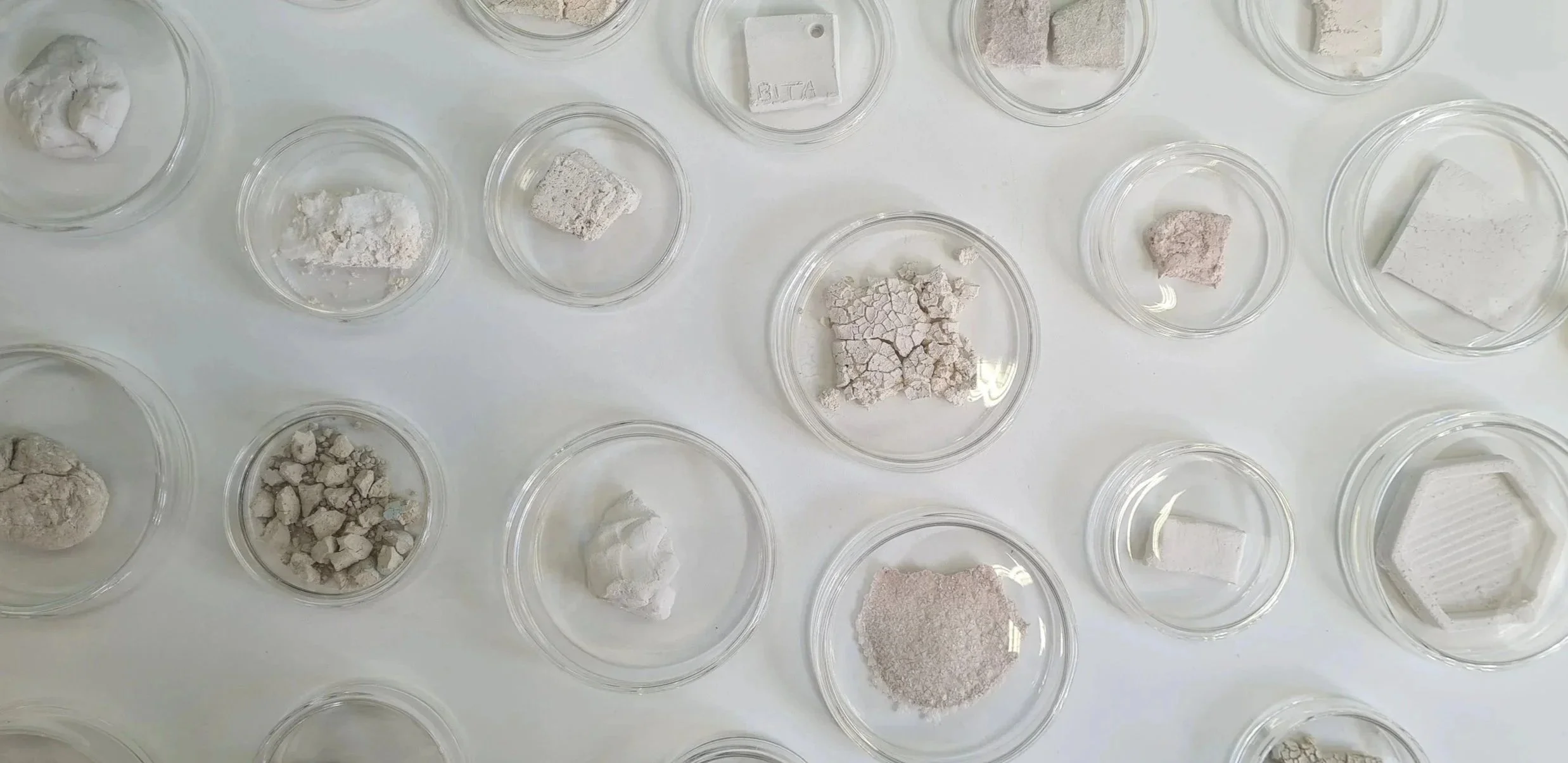
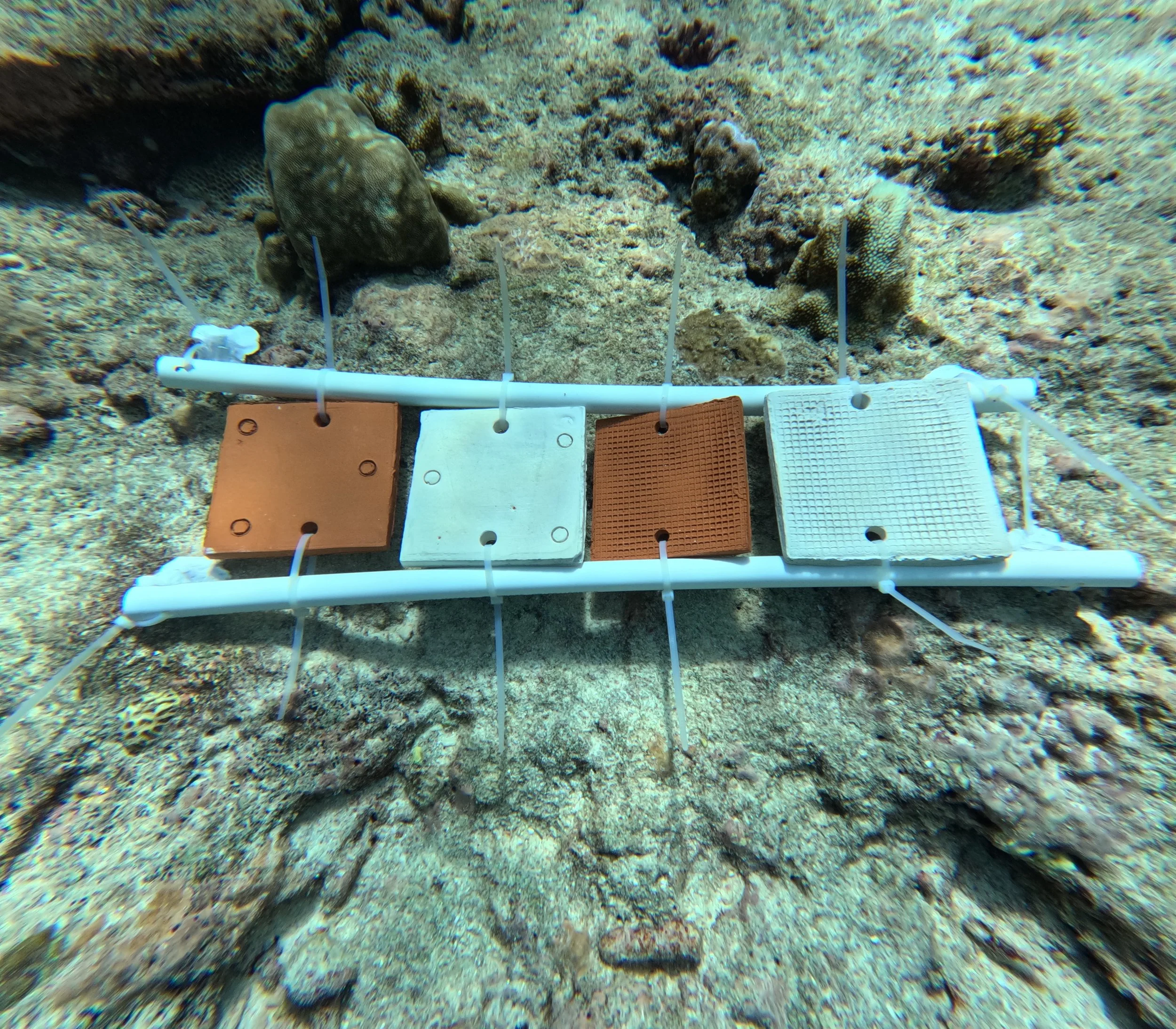
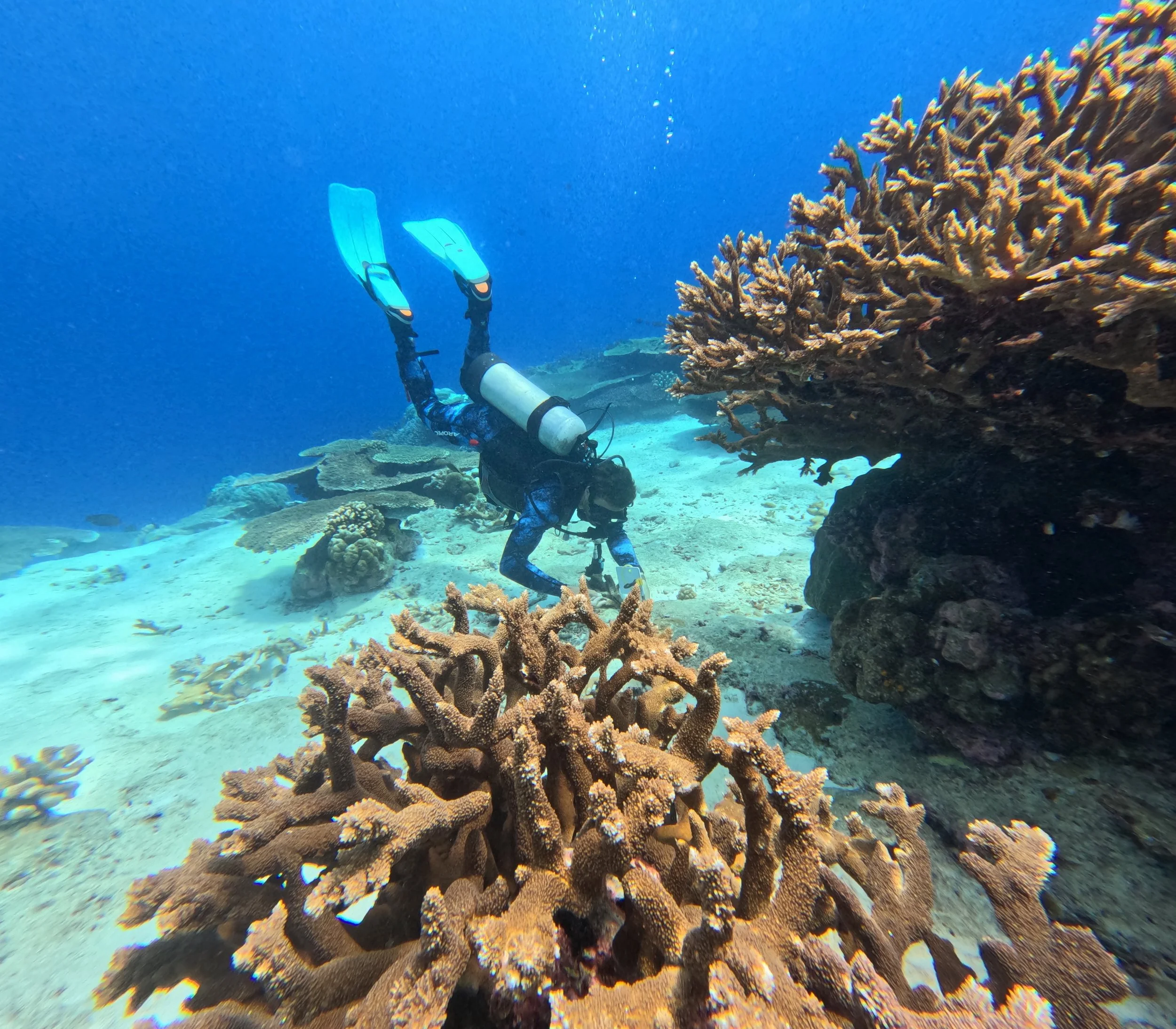
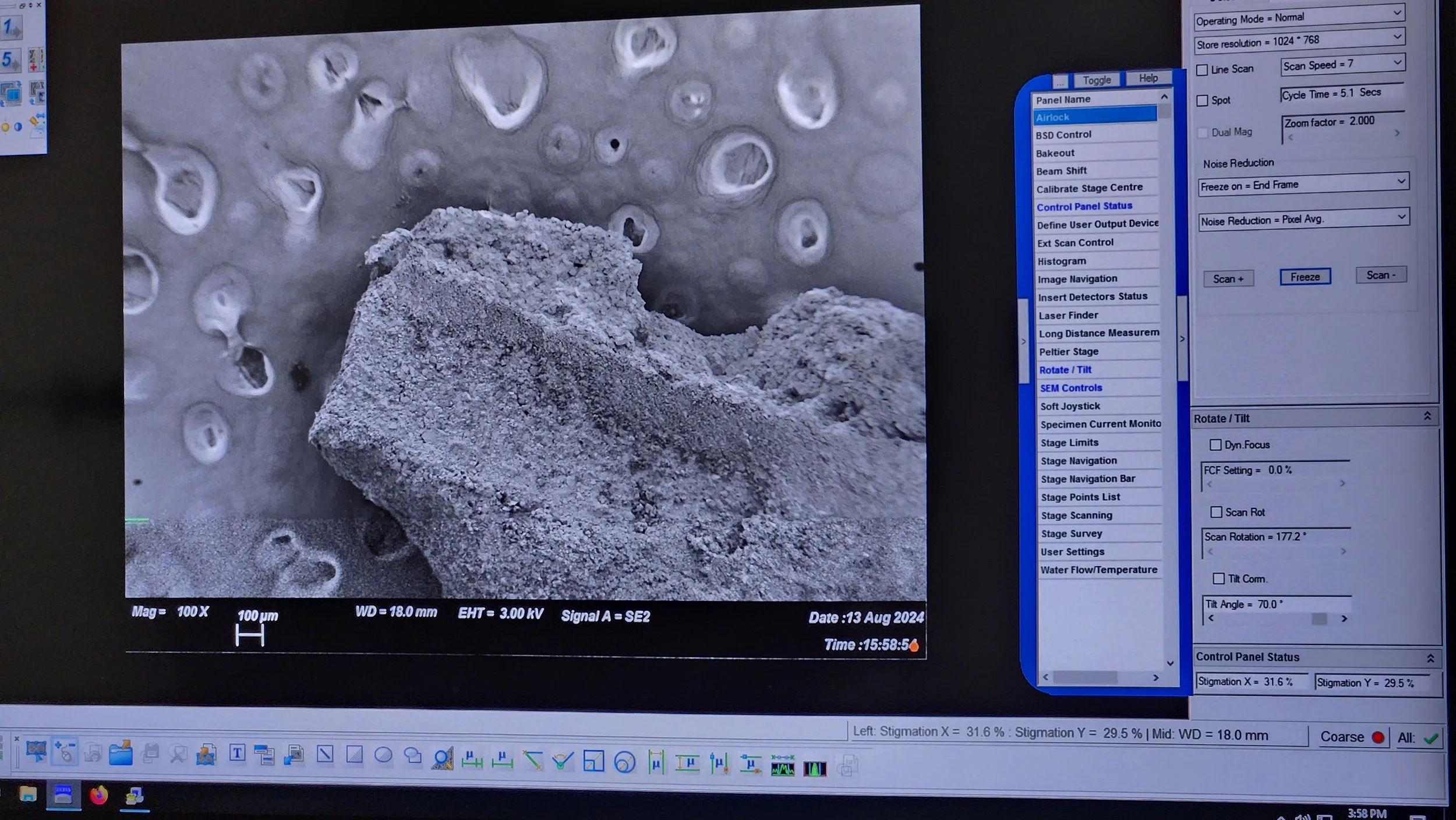
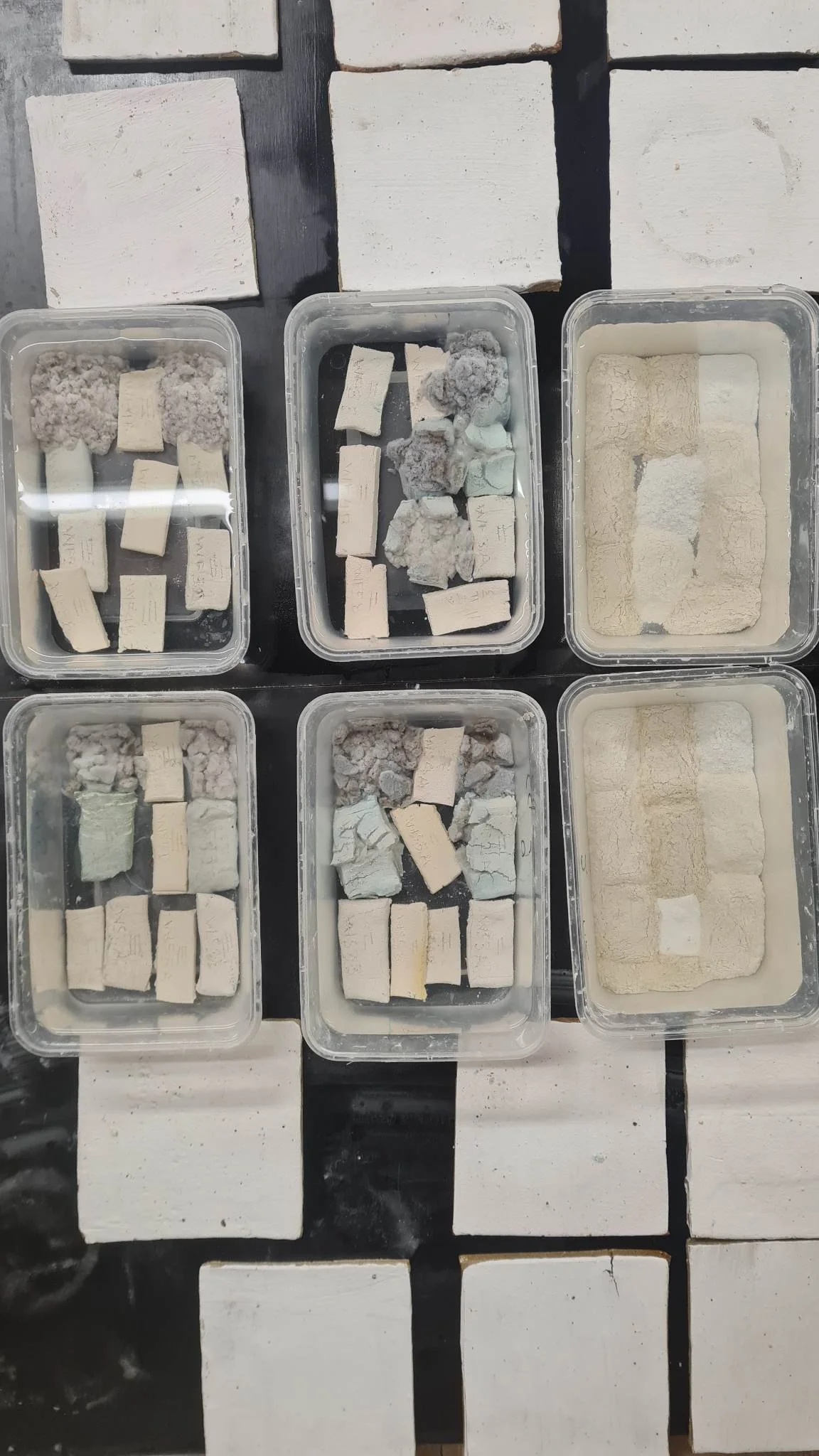
My research addresses this by developing an environmentally friendly, cost-effective, calcium carbonate (CaCO3) based material, which is the same mineral secreted by reef-building organisms like coral polyps and calcifying algae. This novel material is specifically designed for reef-building encrusters and marine life, aiming to enhance biocompatibility and promote more successful colonisation by mimicking the natural composition of coral reefs. Initial lab studies have shown promising signs of biocompatibility, with healthy growth of Crustose Coralline Algae, a precursor to coral settlement. We are now conducting in-field trials on Christmas Island to evaluate its efficacy in the marine environment.
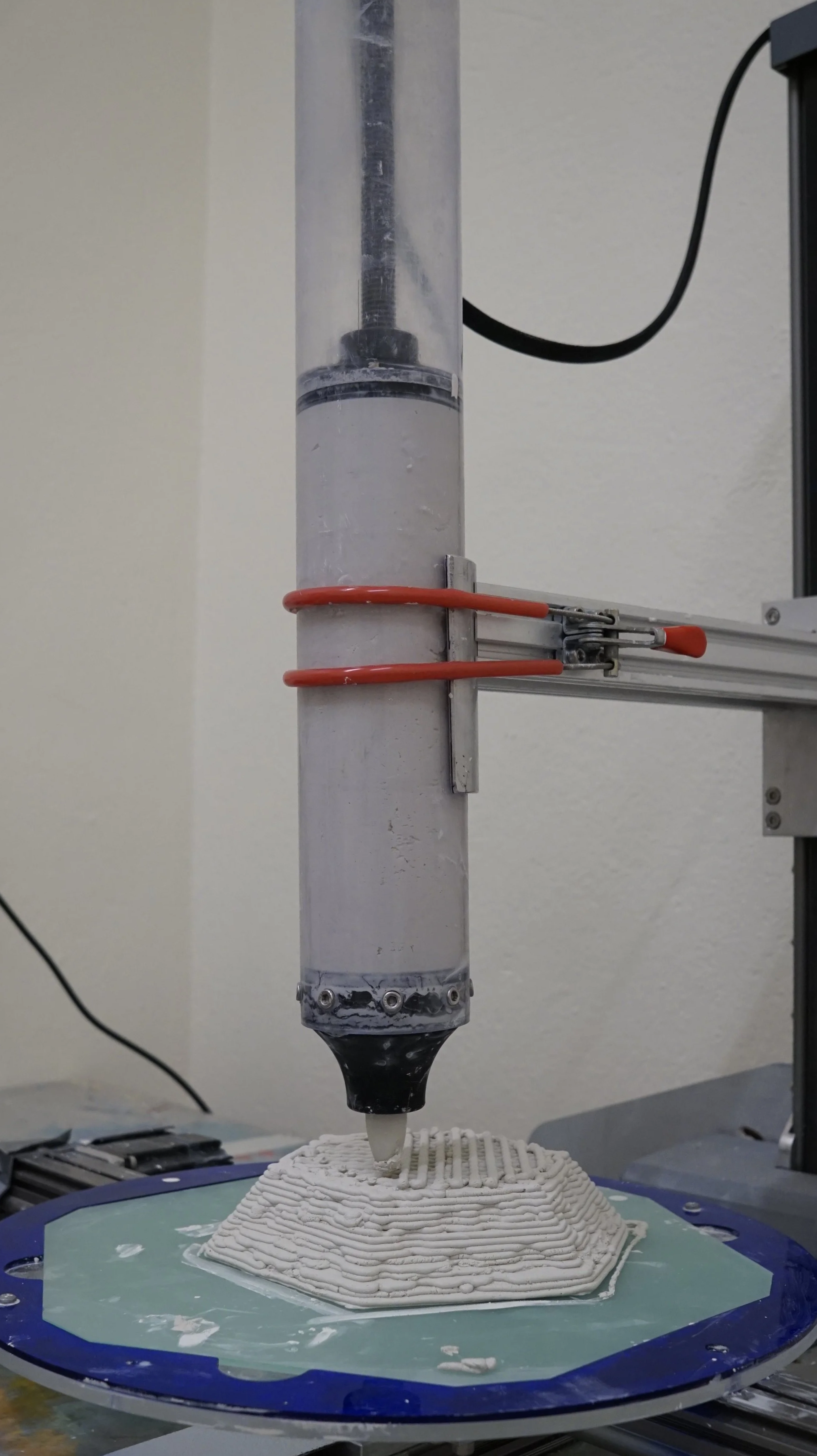
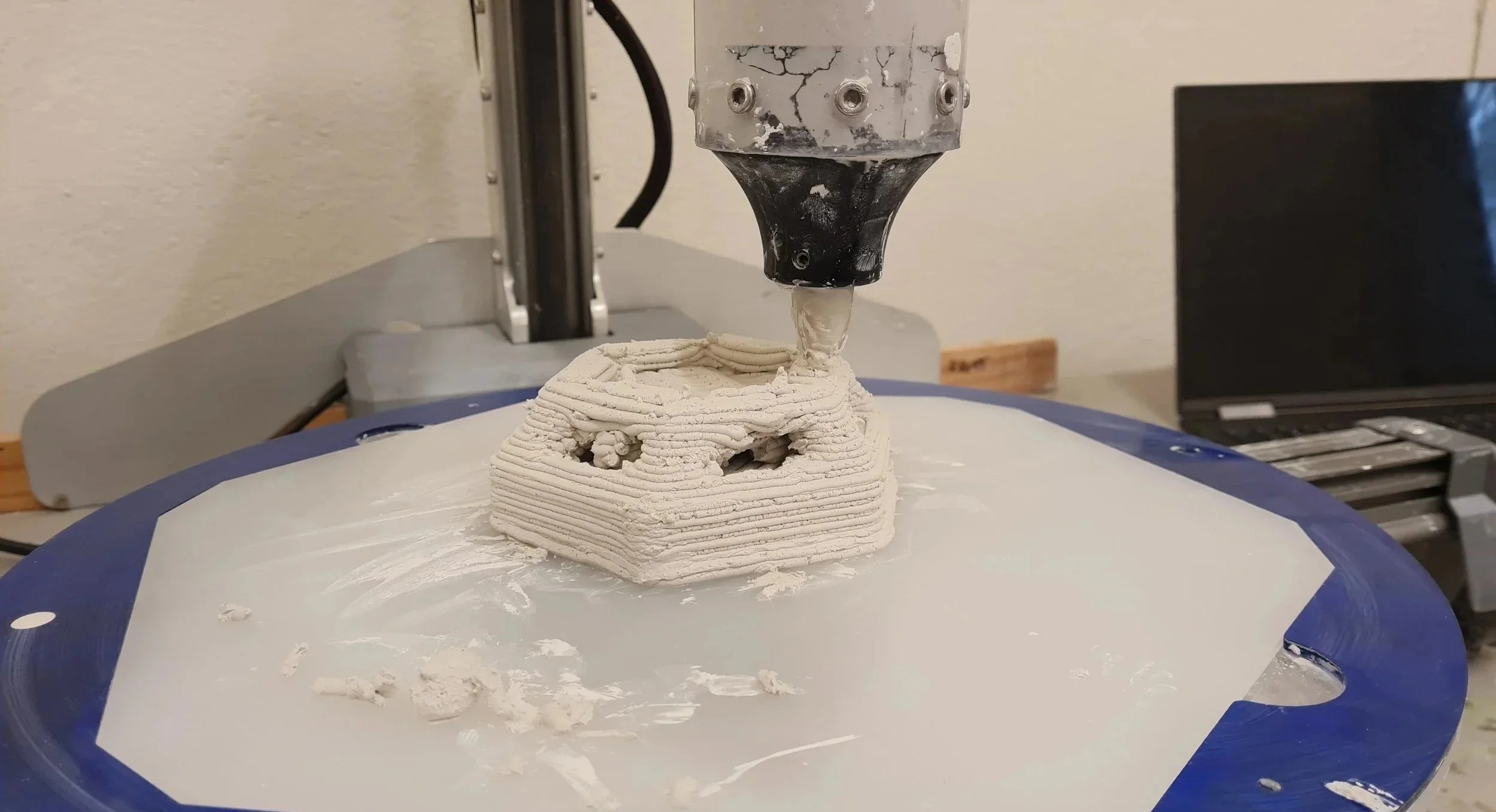
Reefinity: Multispecies design for coral reef research tools
Beth O’Sullivan, Honors in Design (First Class), University Medal for Academic Excellence 2023
2023
Reef ecosystems worldwide are facing unprecedented negative impacts due to anthropogenic climate change. The ability to assess coral reefs consistently and sustainably is critical to determining the impact and outcomes of anthropogenic climate change on coral reef ecosystems.
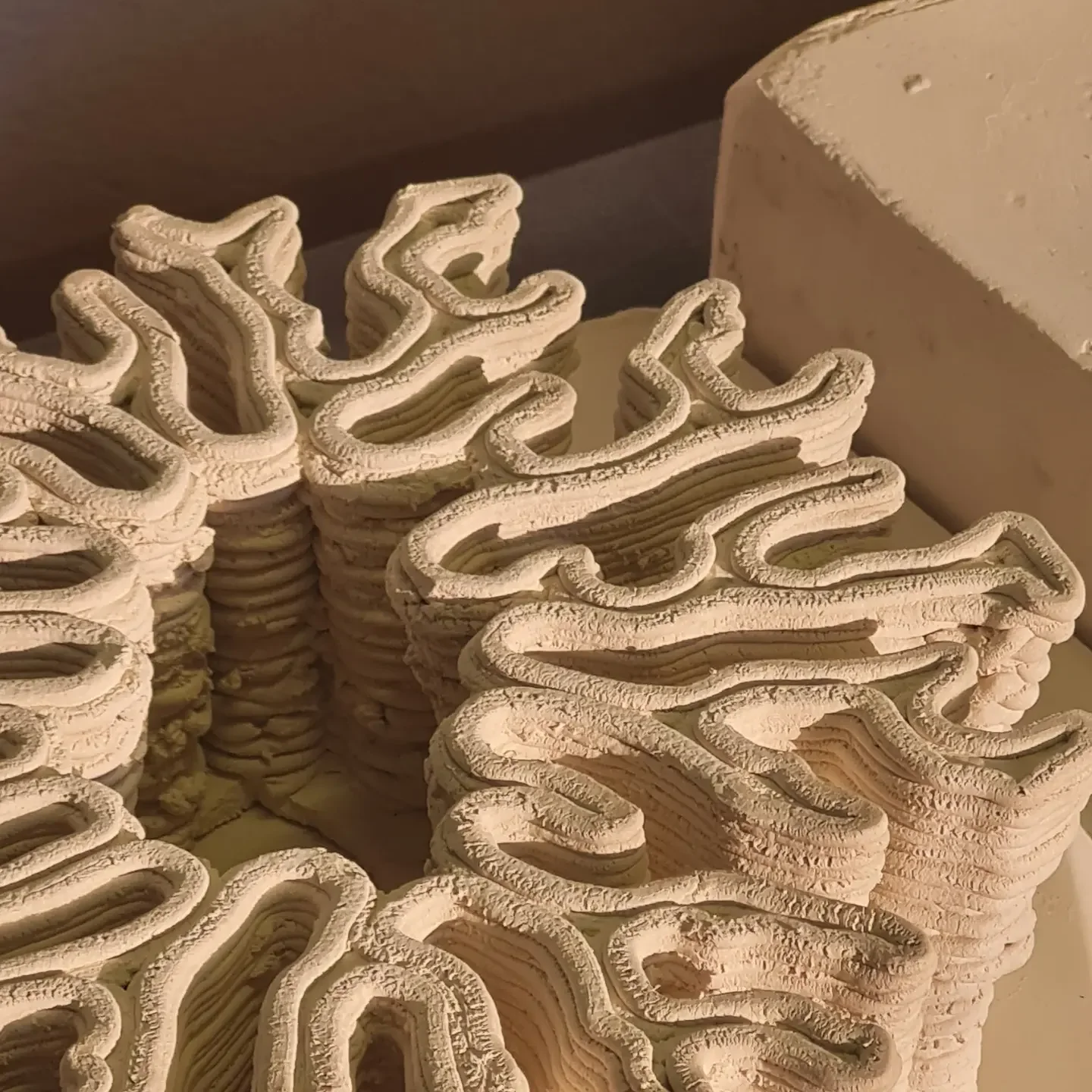
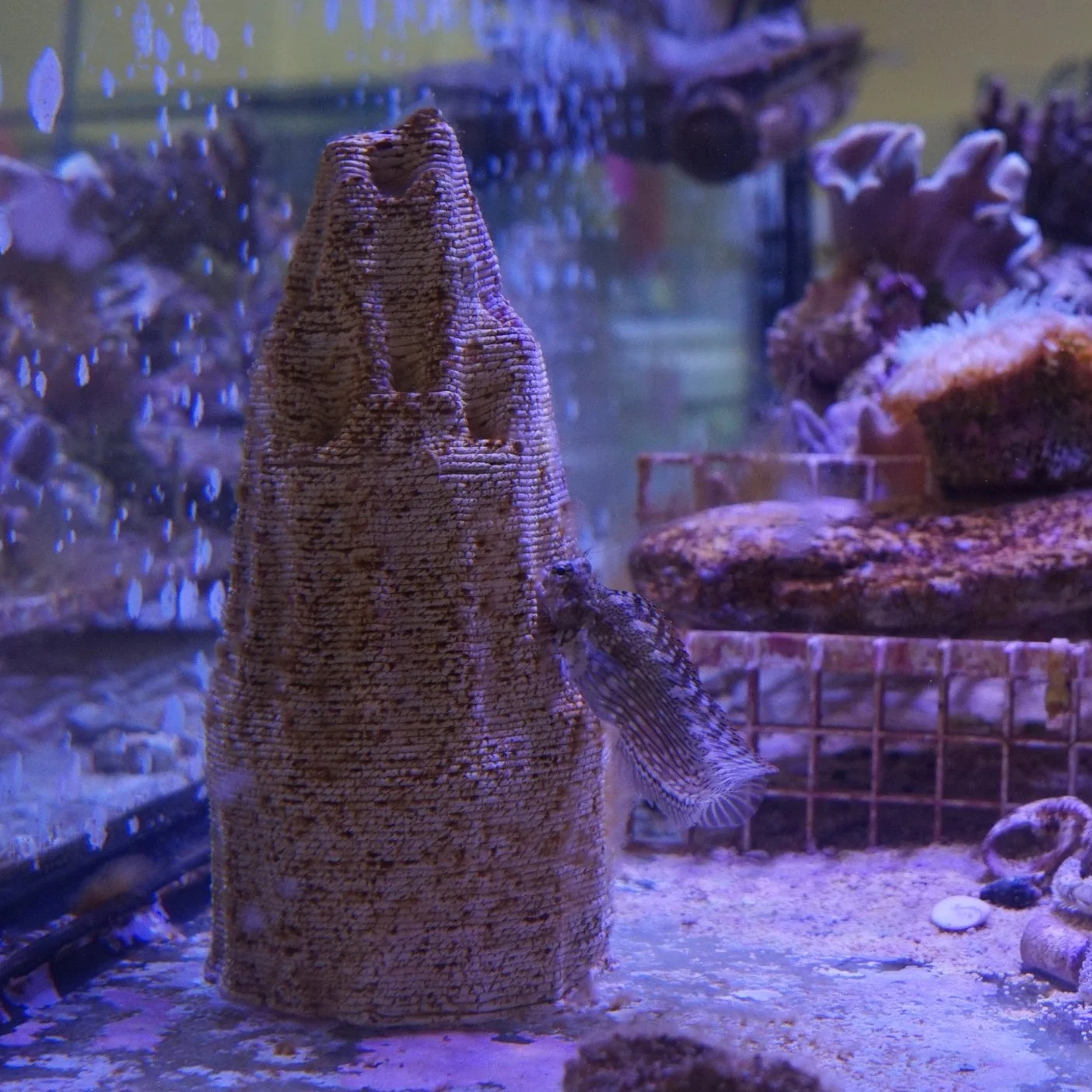
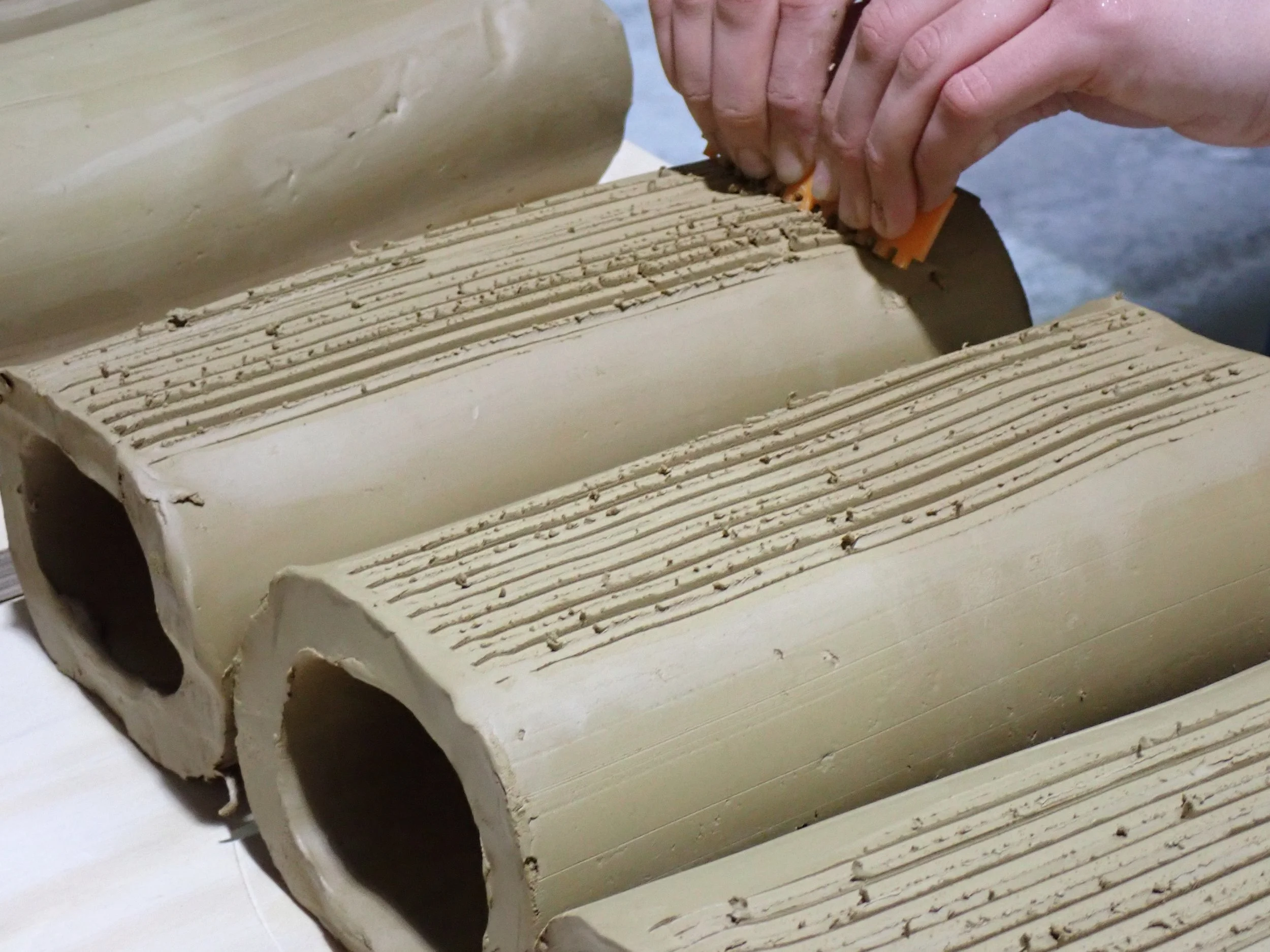
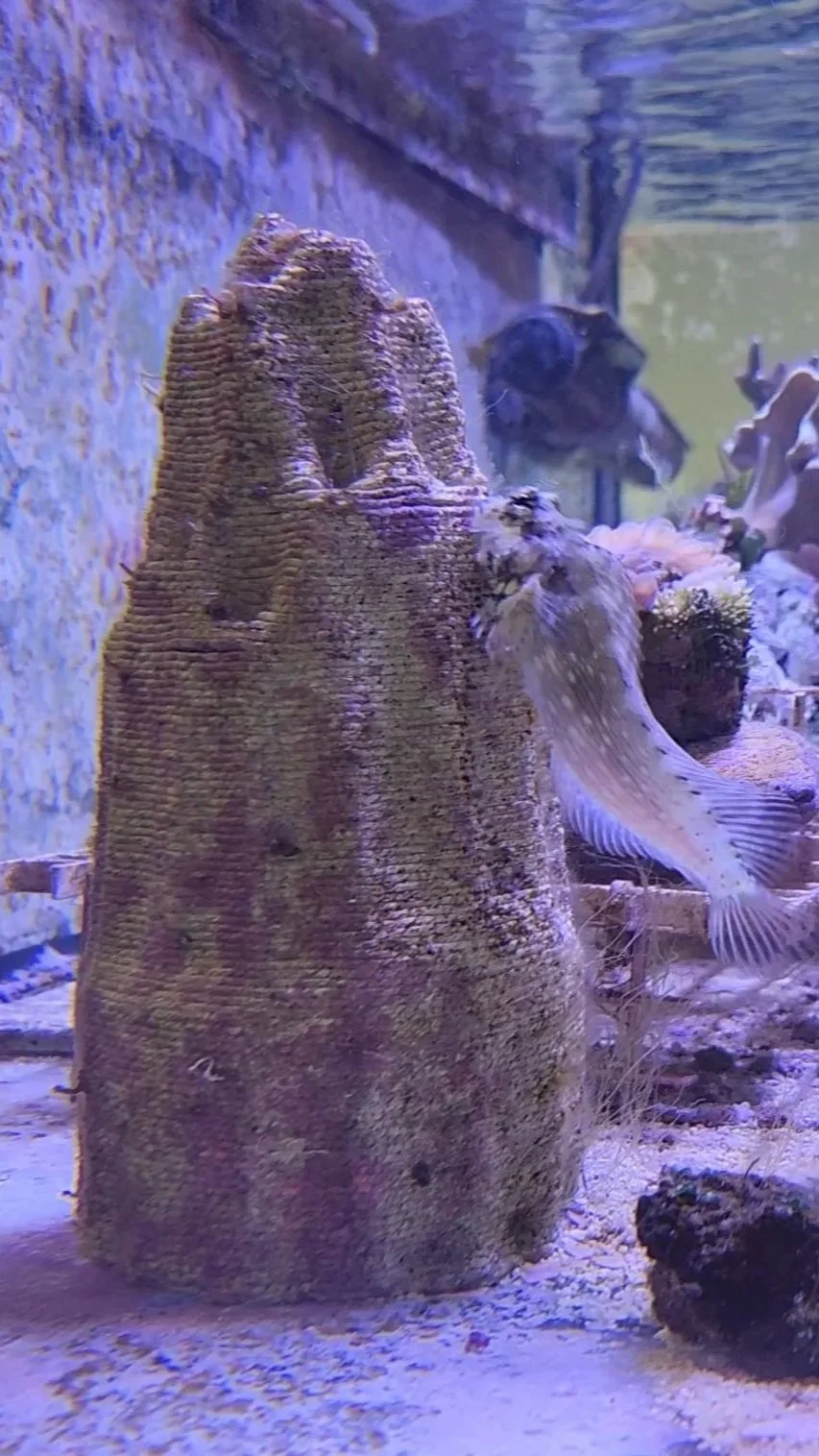
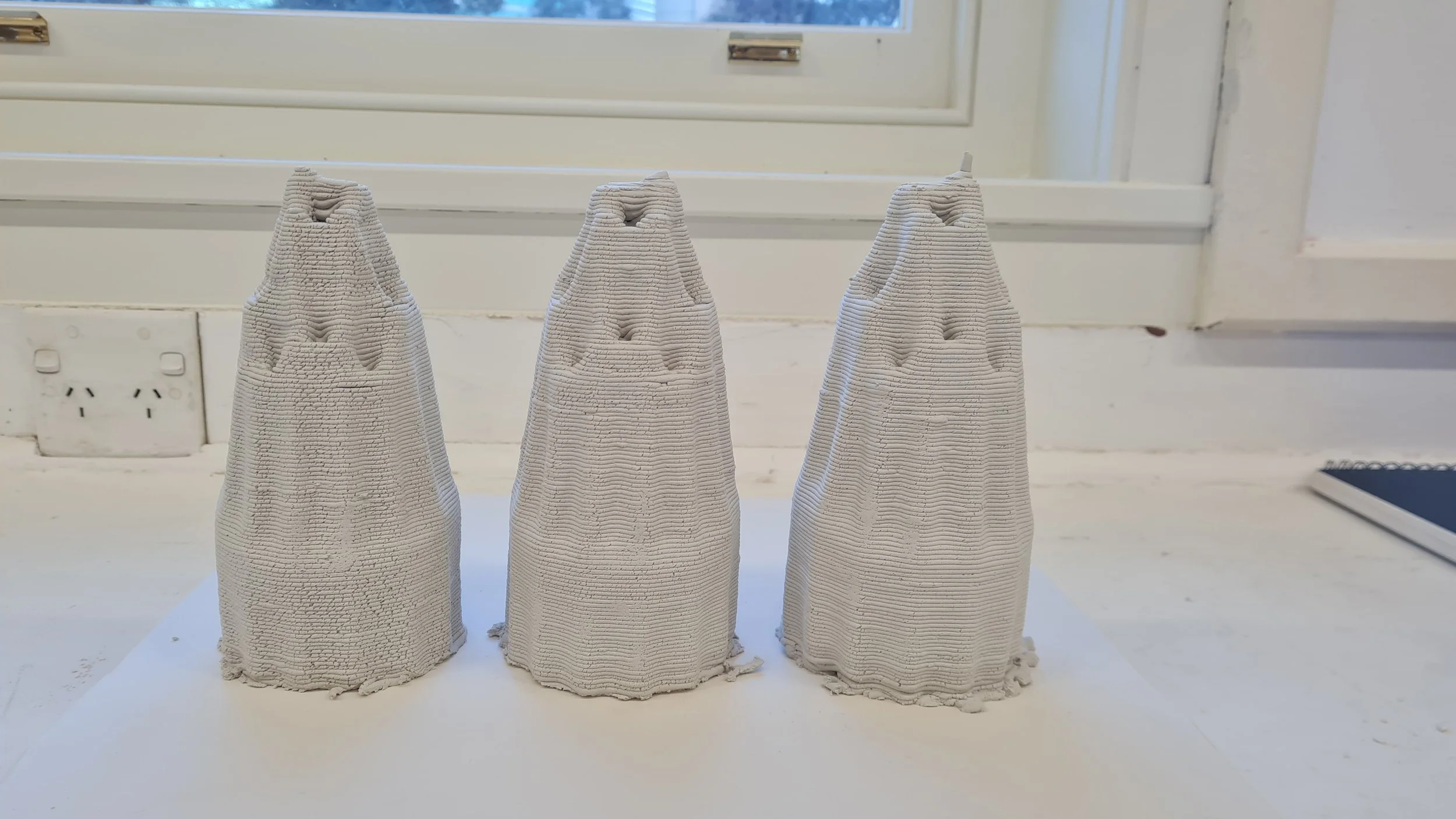
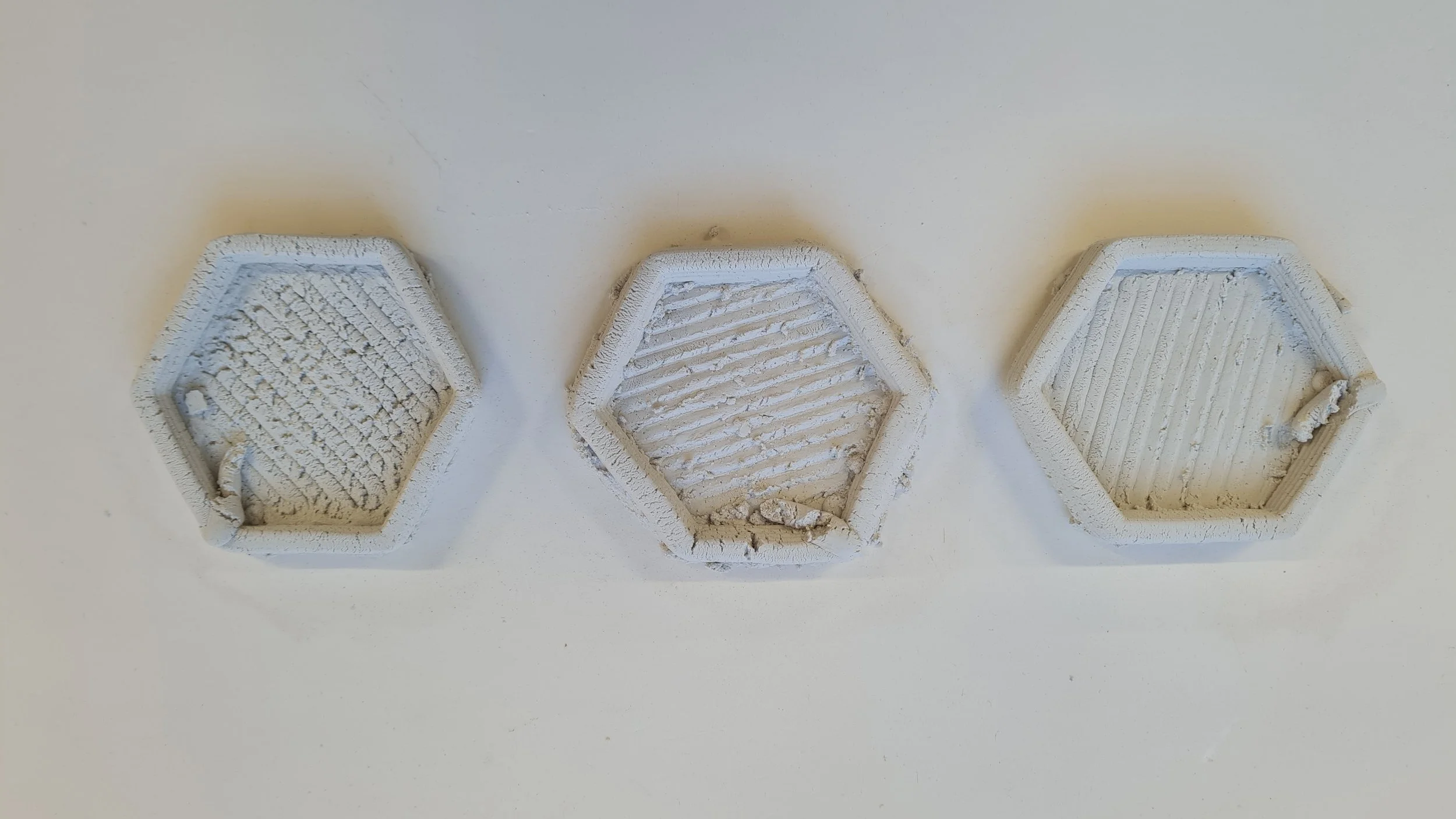
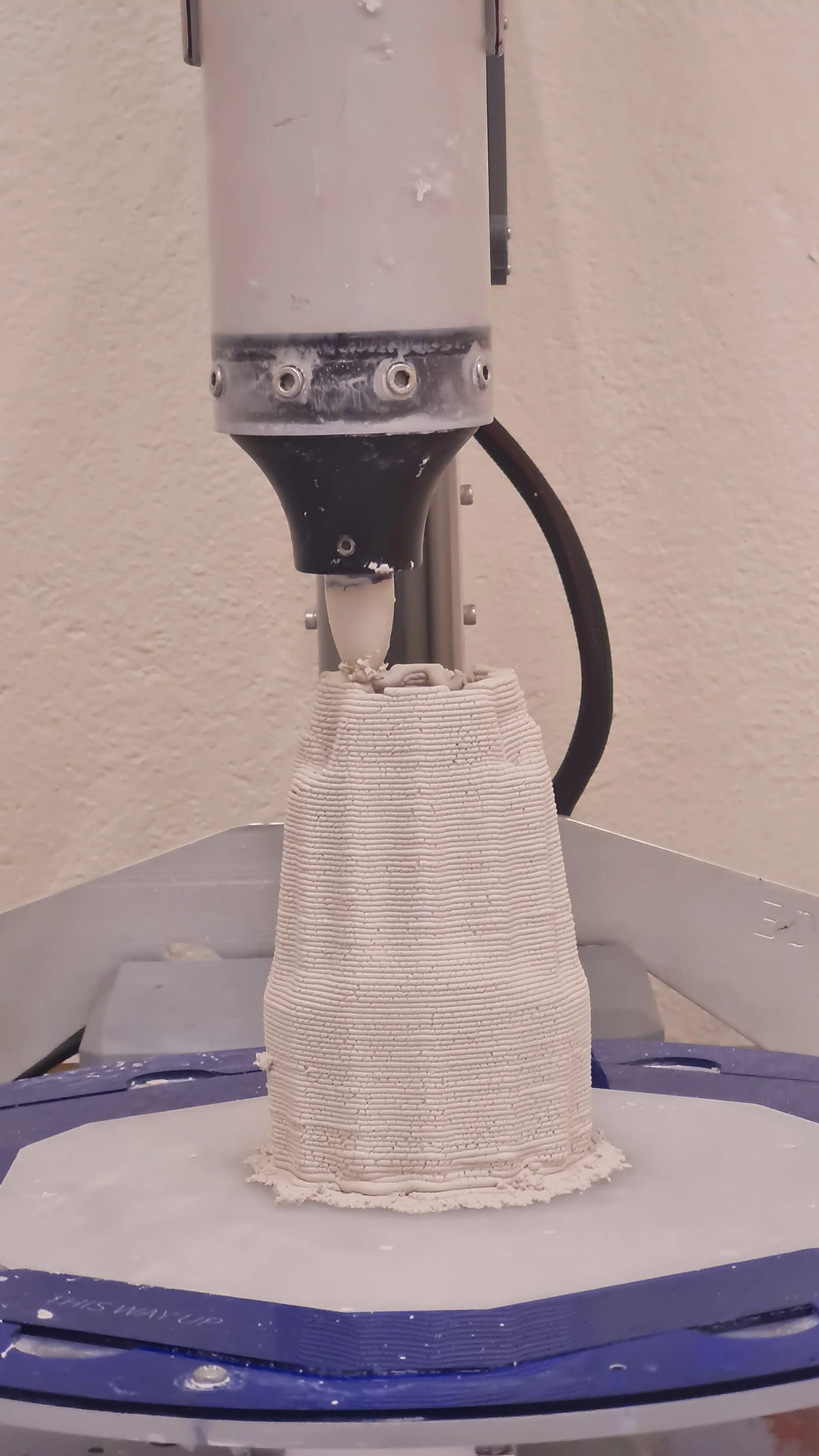
This research examines the potential of design, in the fields of marine science and behavioural ecology, to provide an improved research tool. The research presents a novel environmentally friendly calcium carbonate based substrate and demonstrates how the material can be used in conjunction with computational design and digital fabrication to achieve objects that are suitable for coral settlement. The research presents a proof-of-concept suitable for up-scaling and for further exploration in the laboratory and field.
This research has been featured in recent media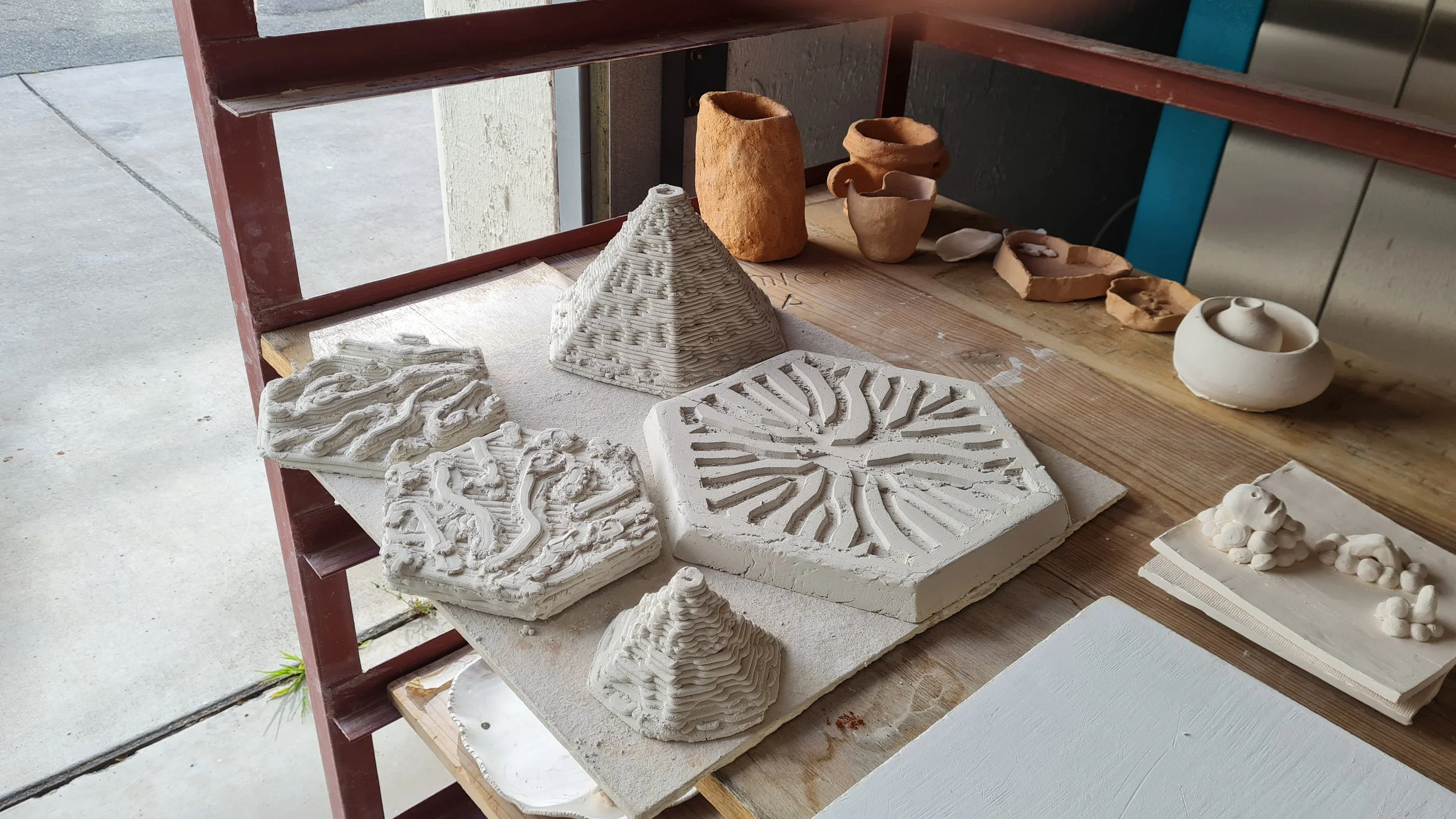
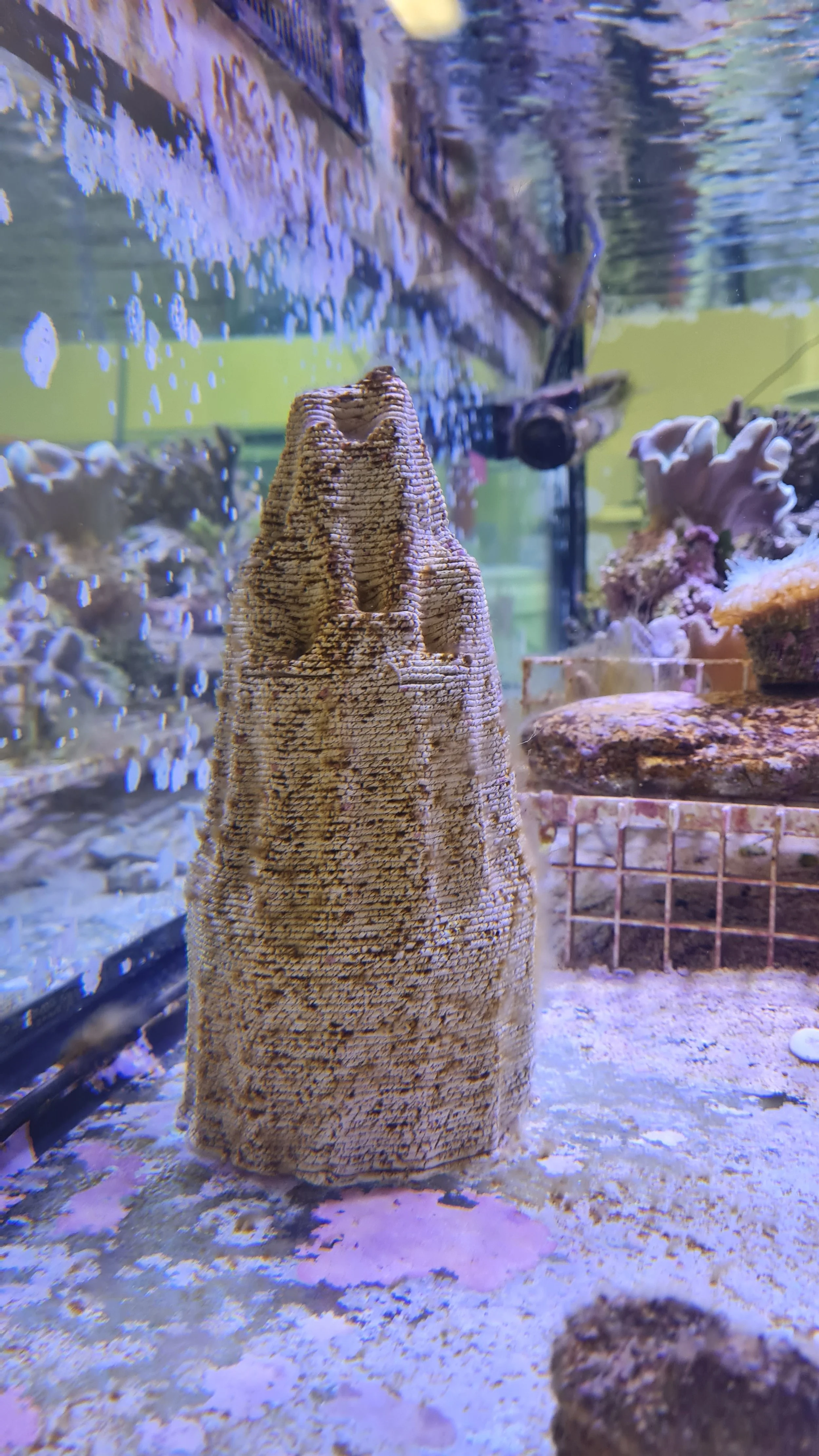
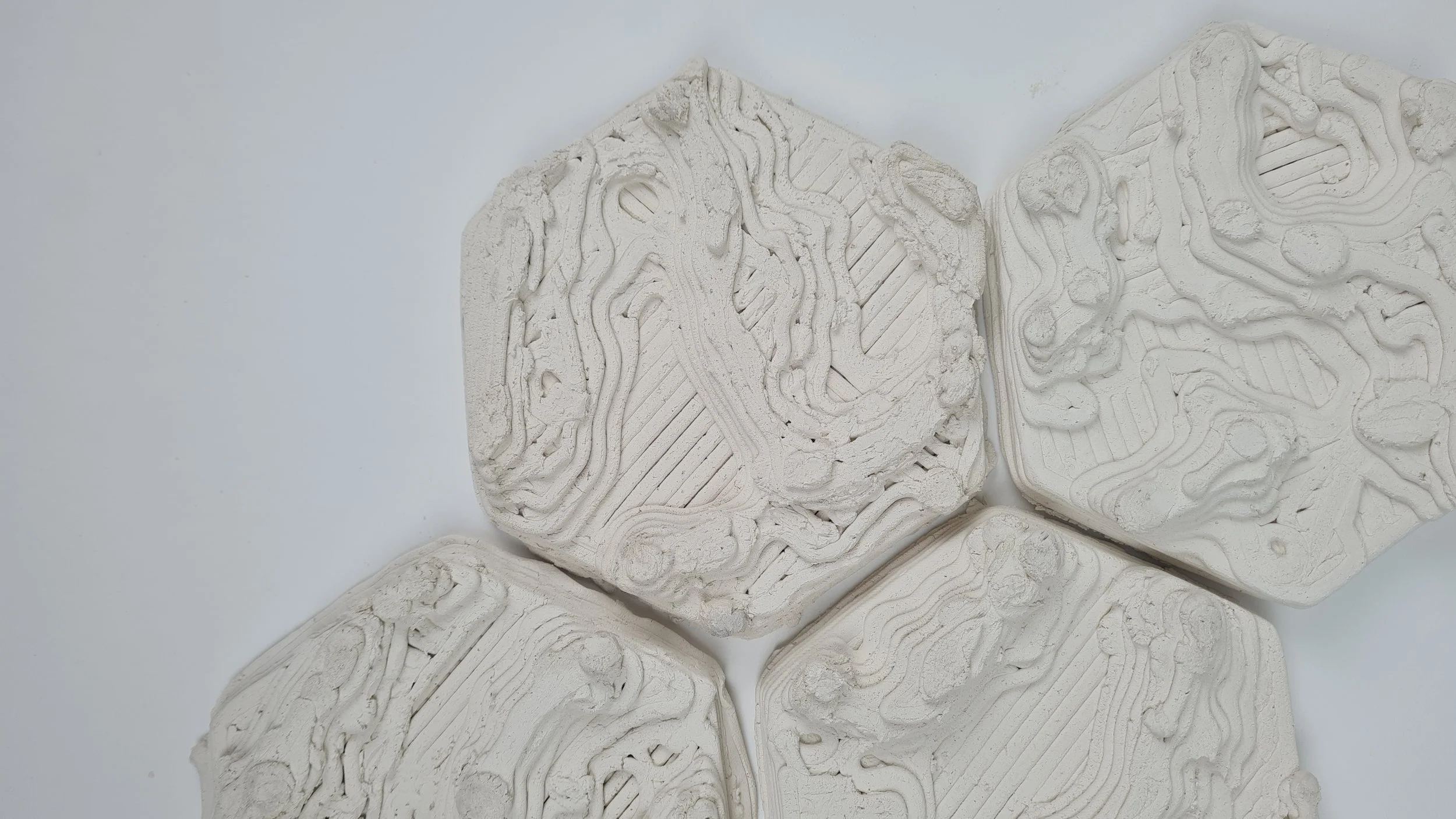
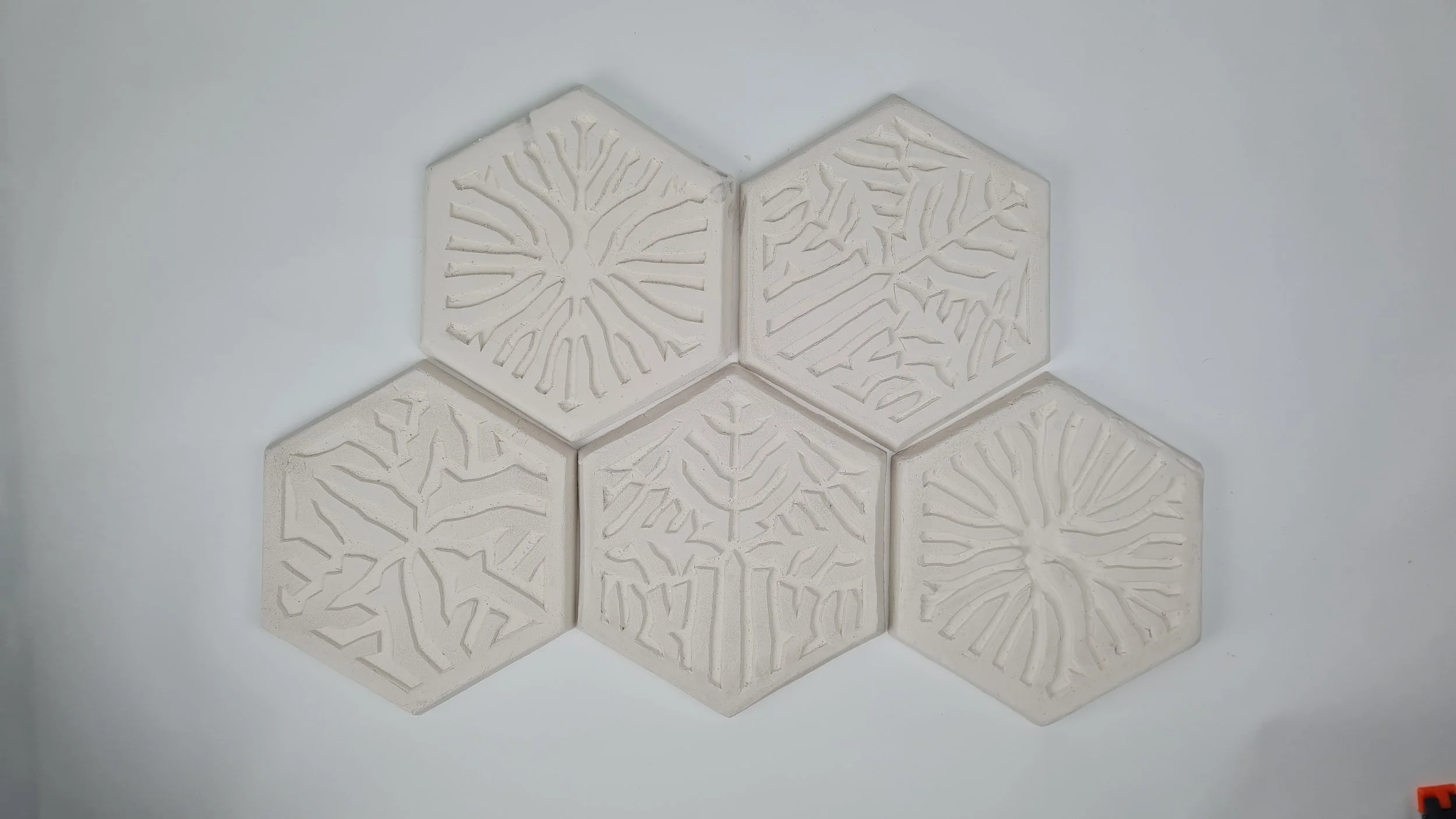
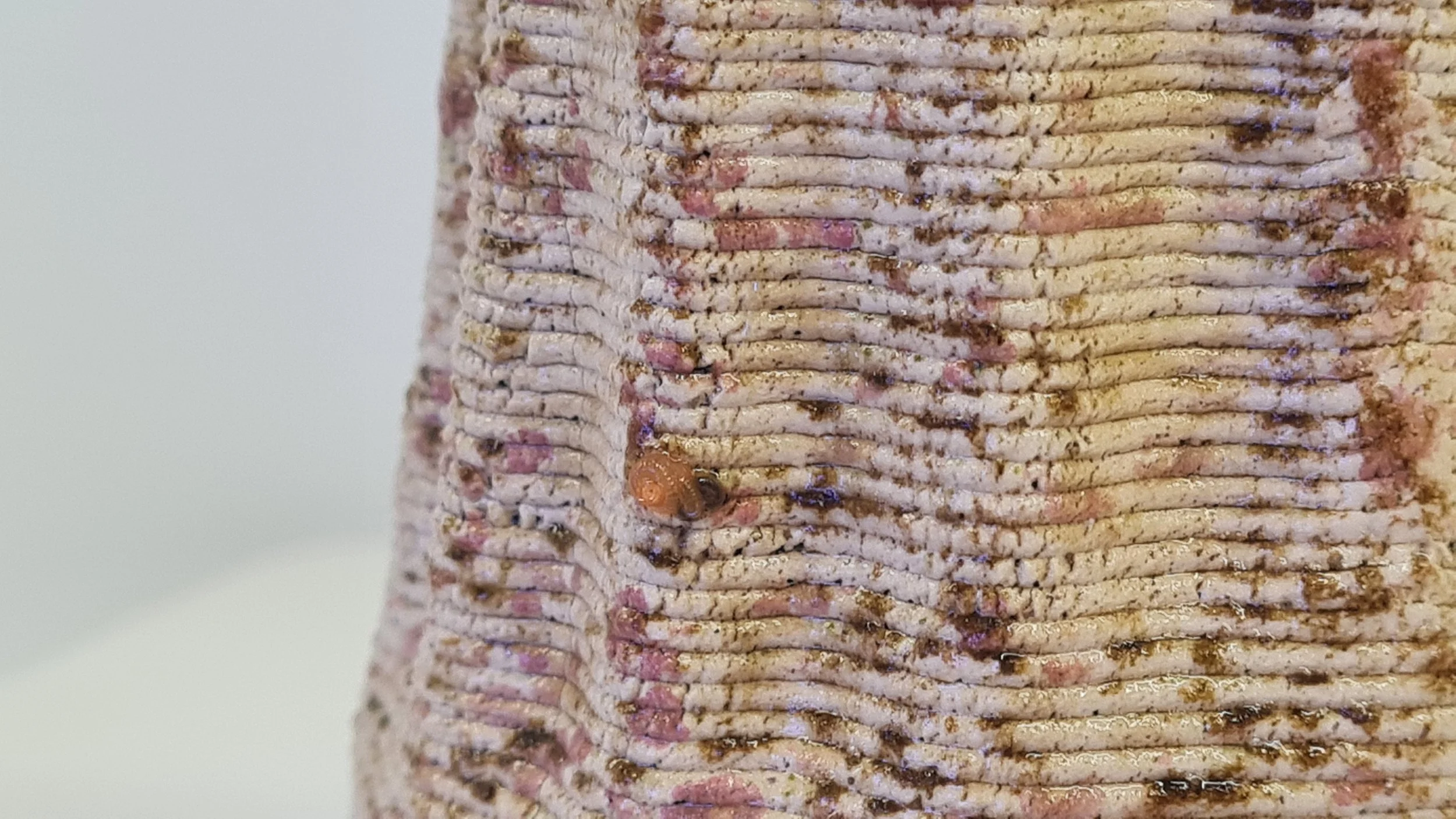
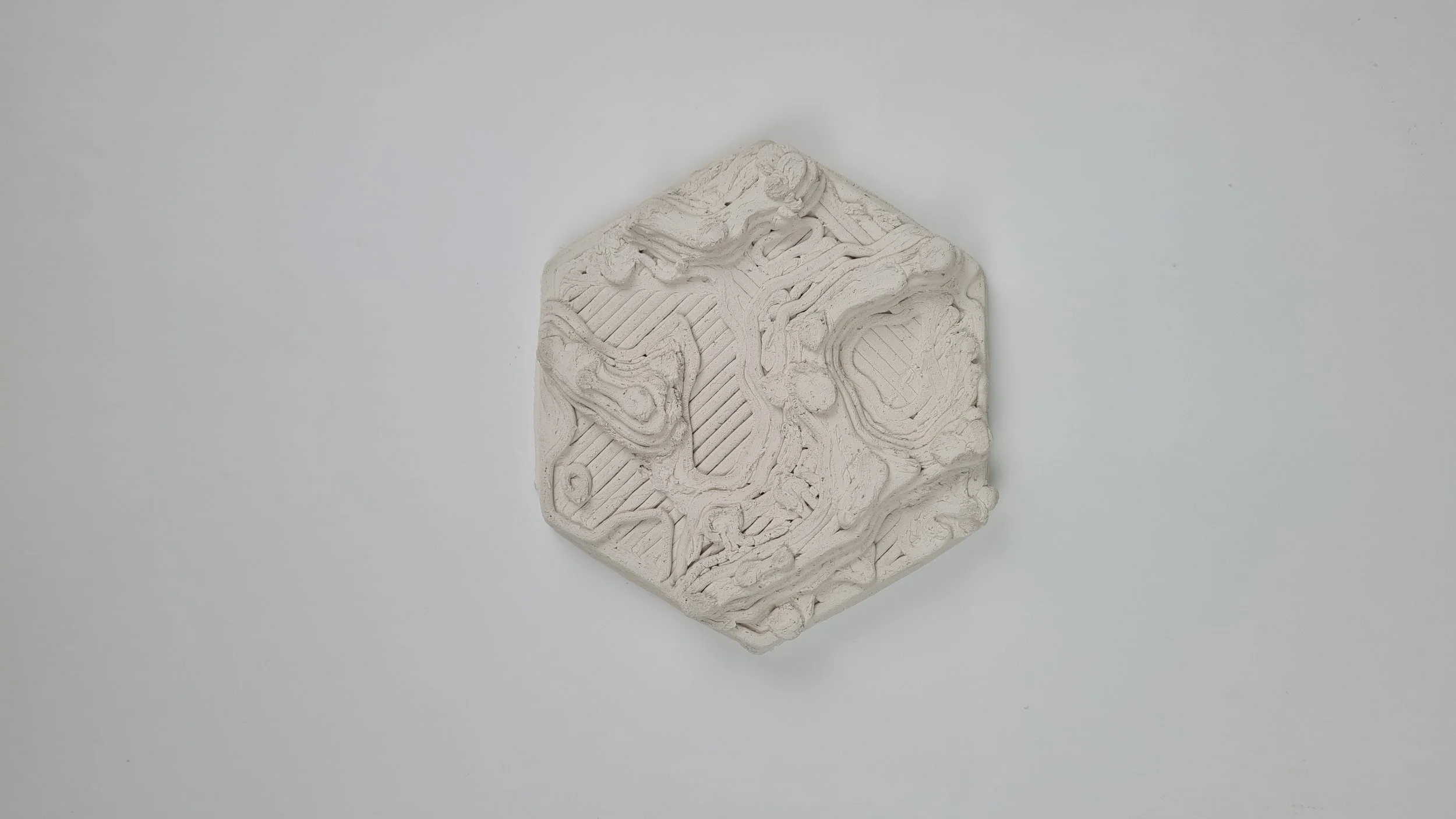
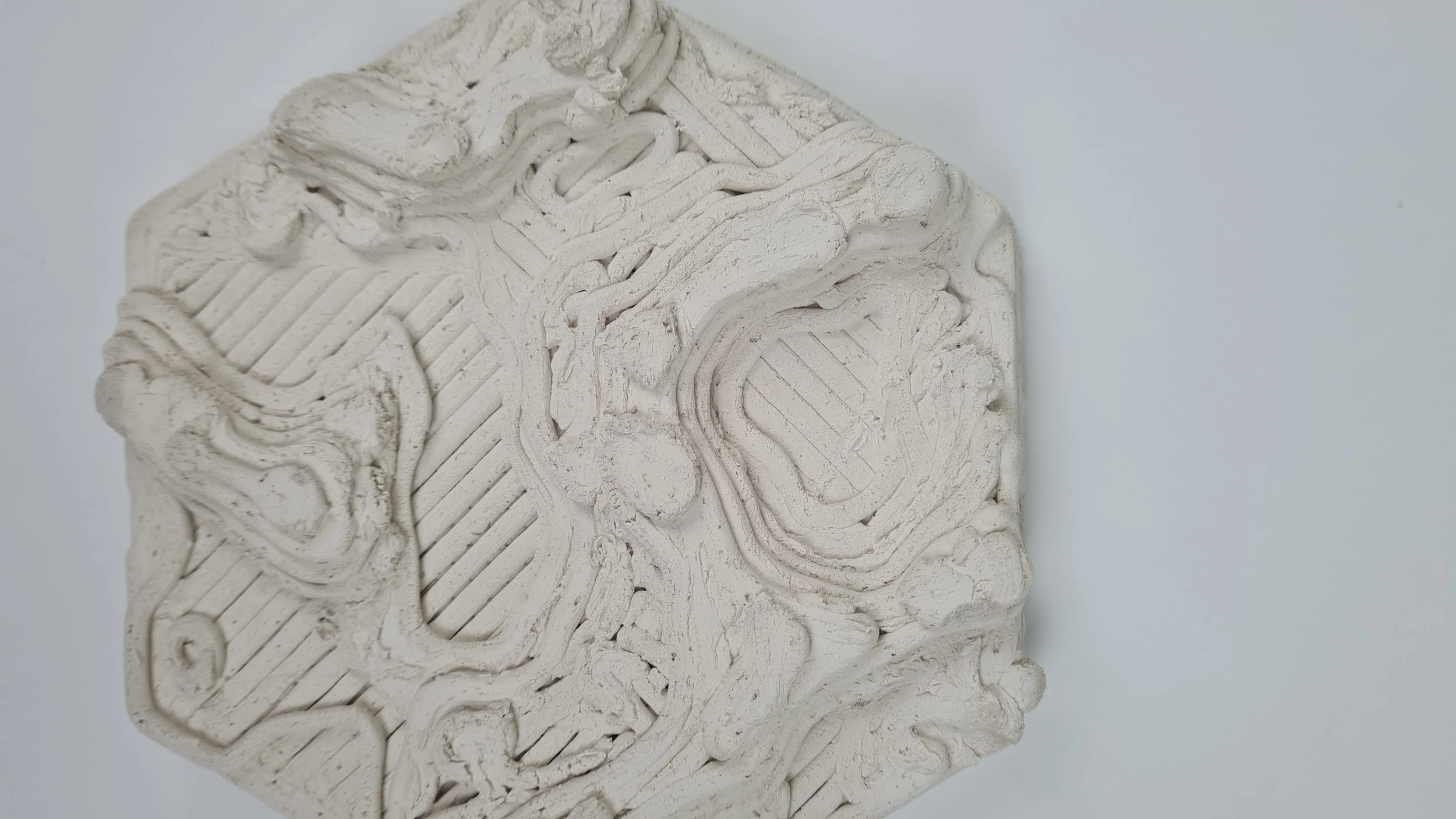
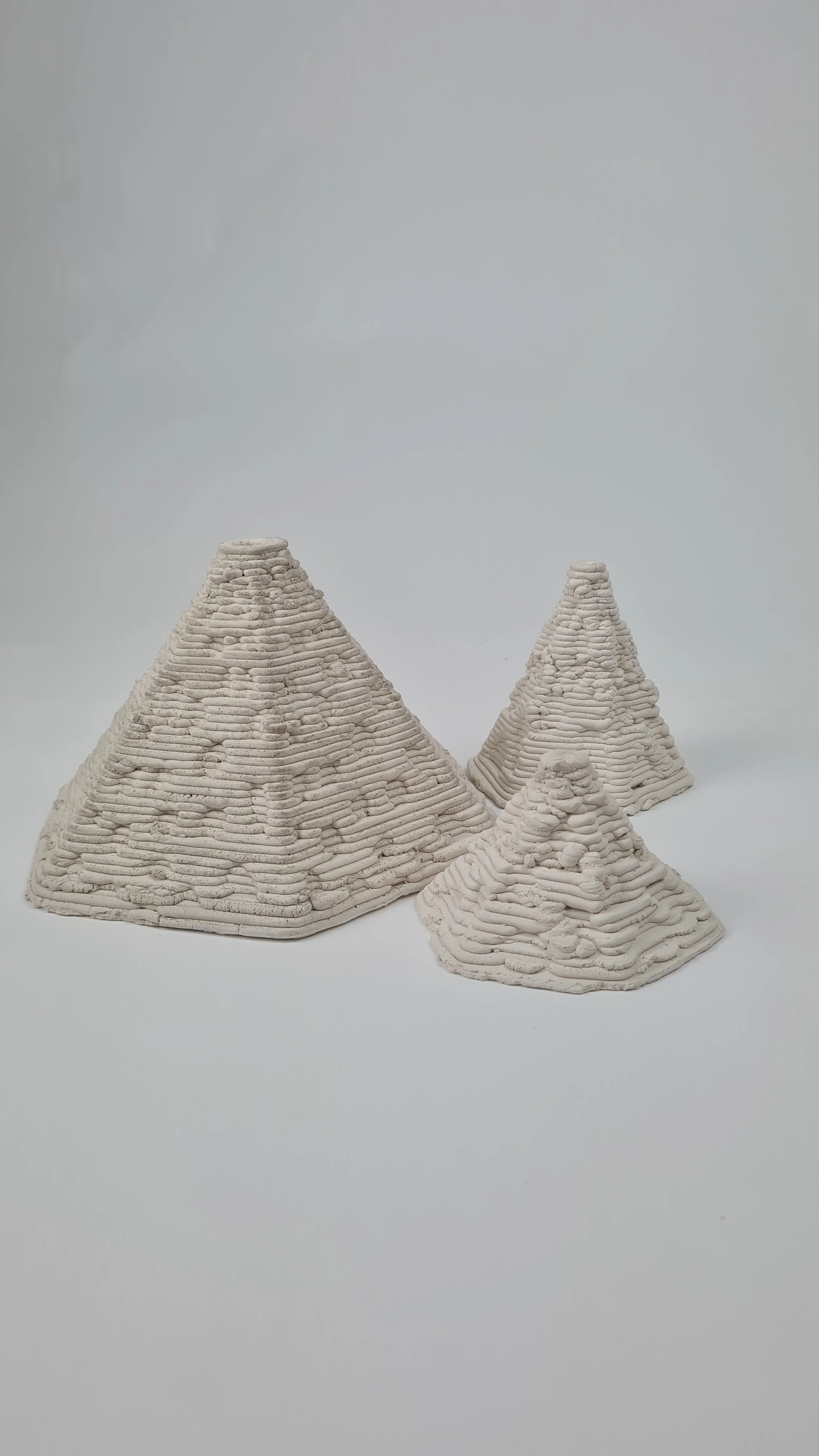
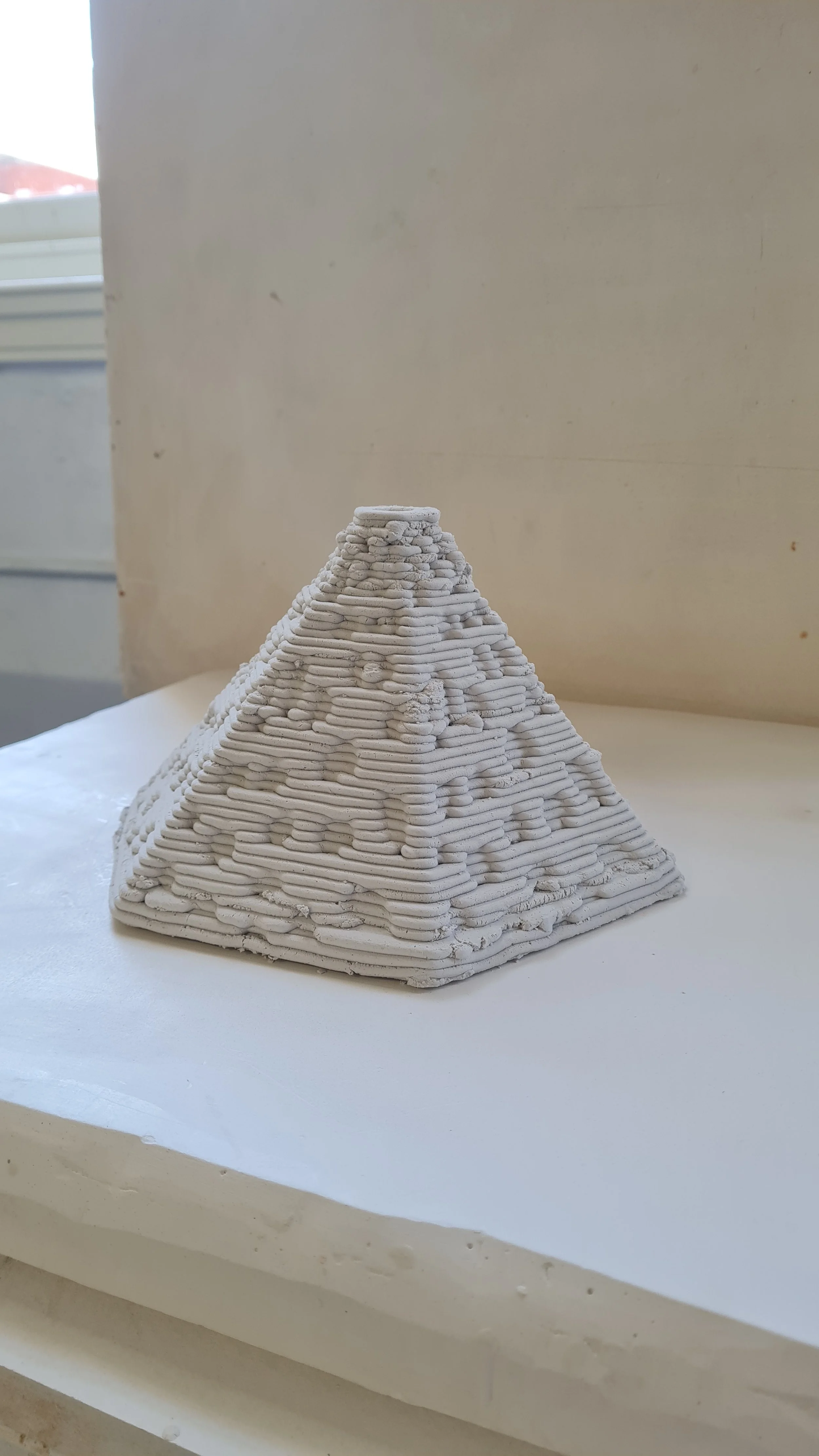
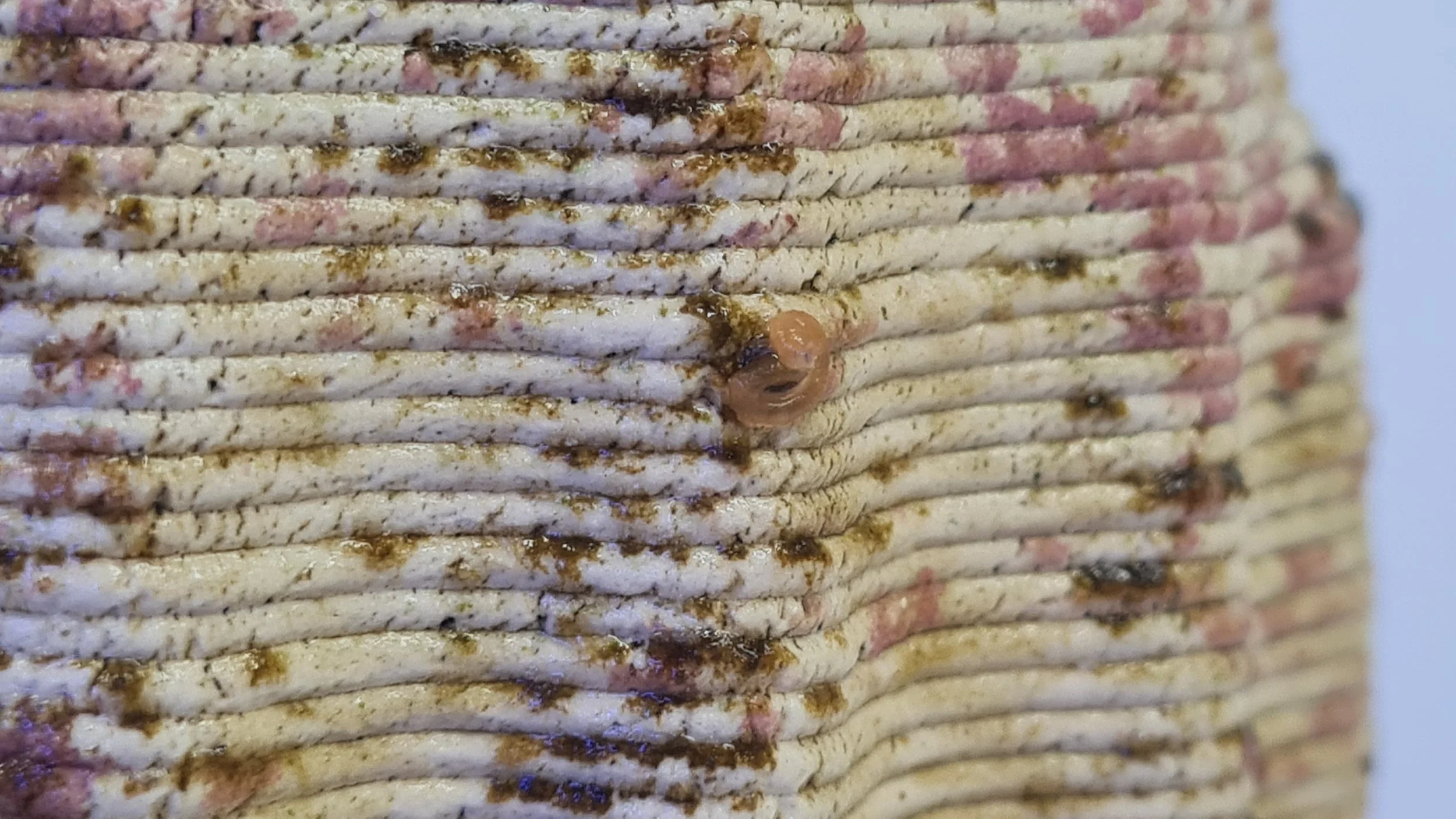
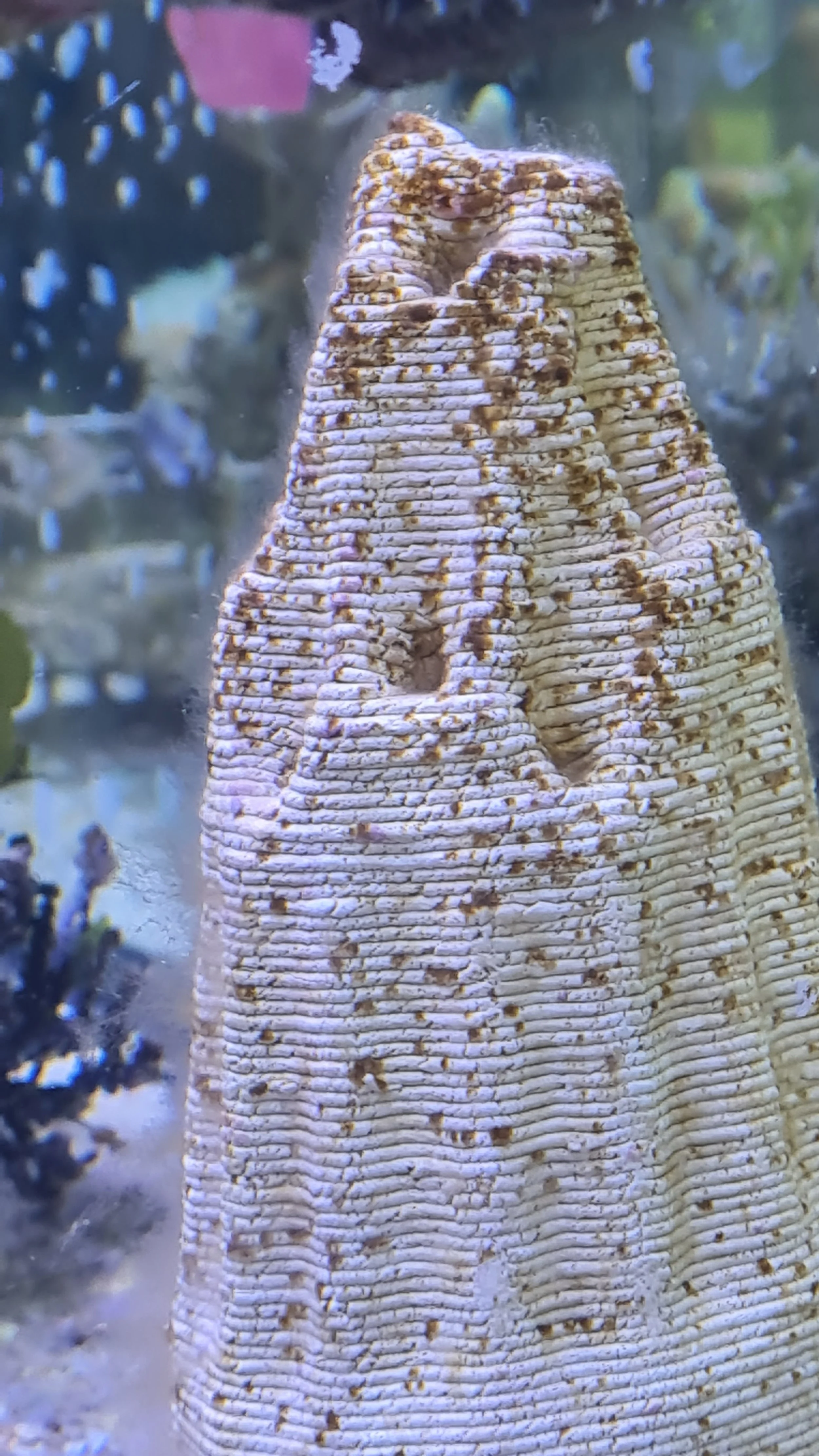
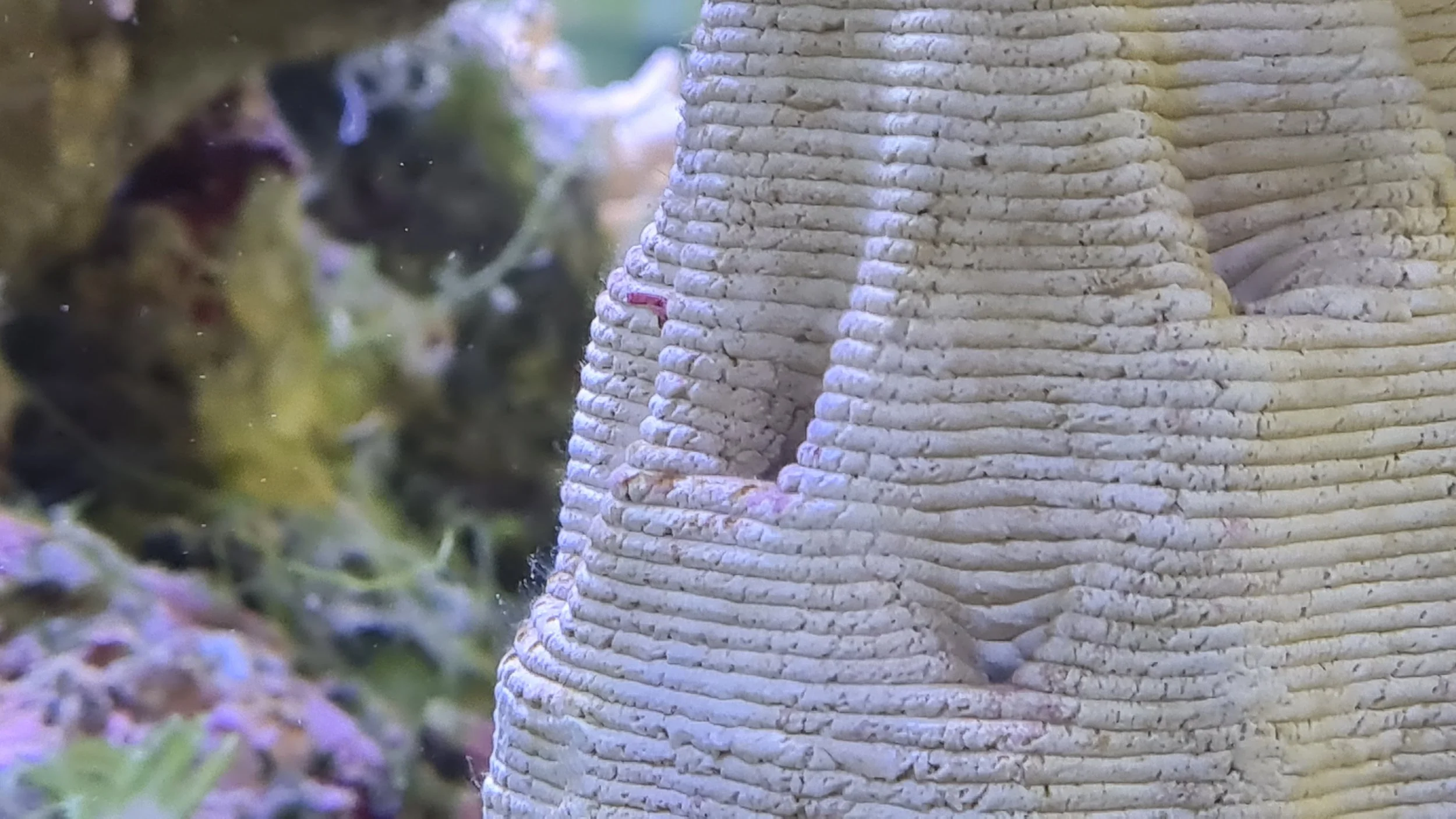
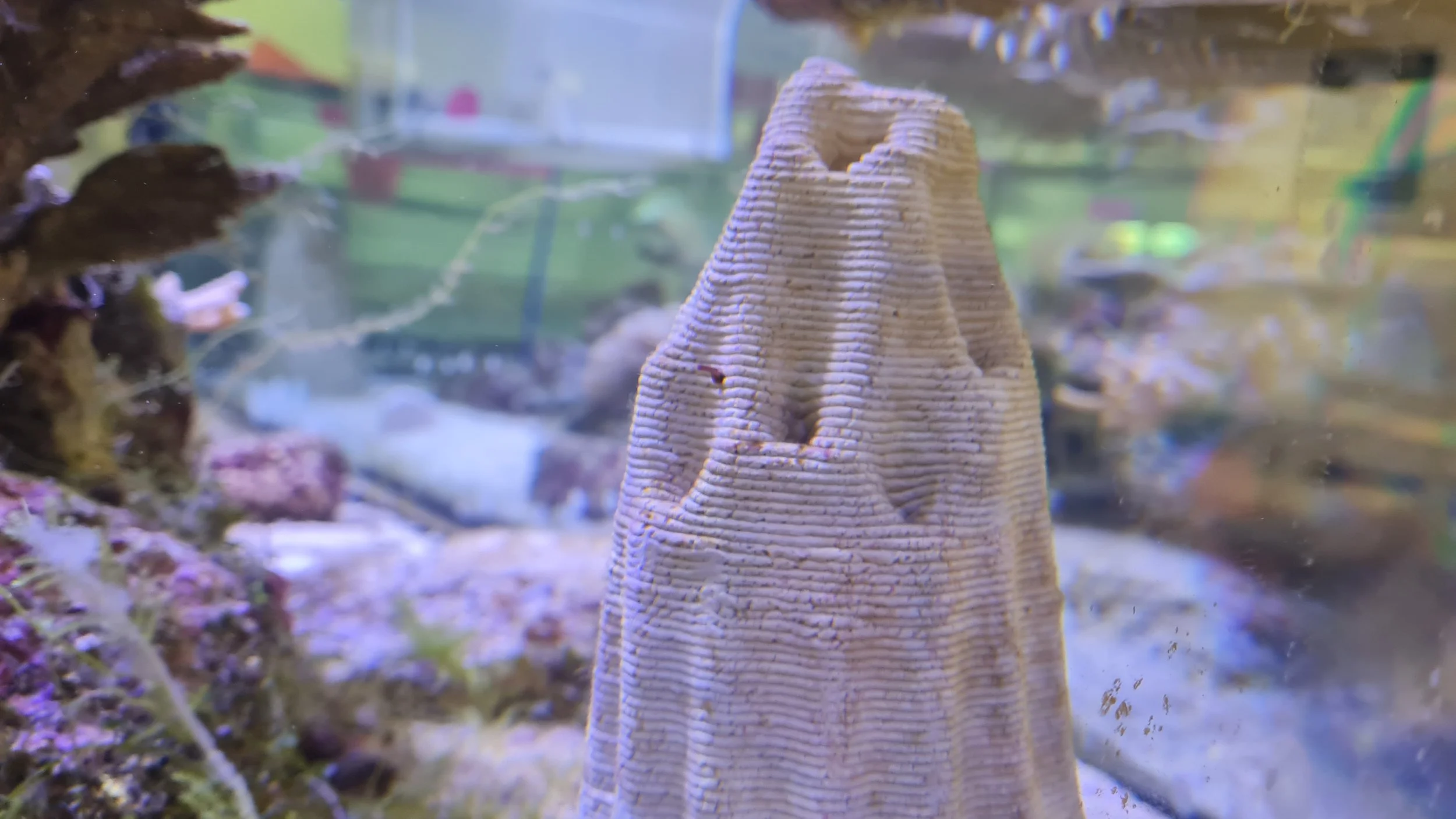
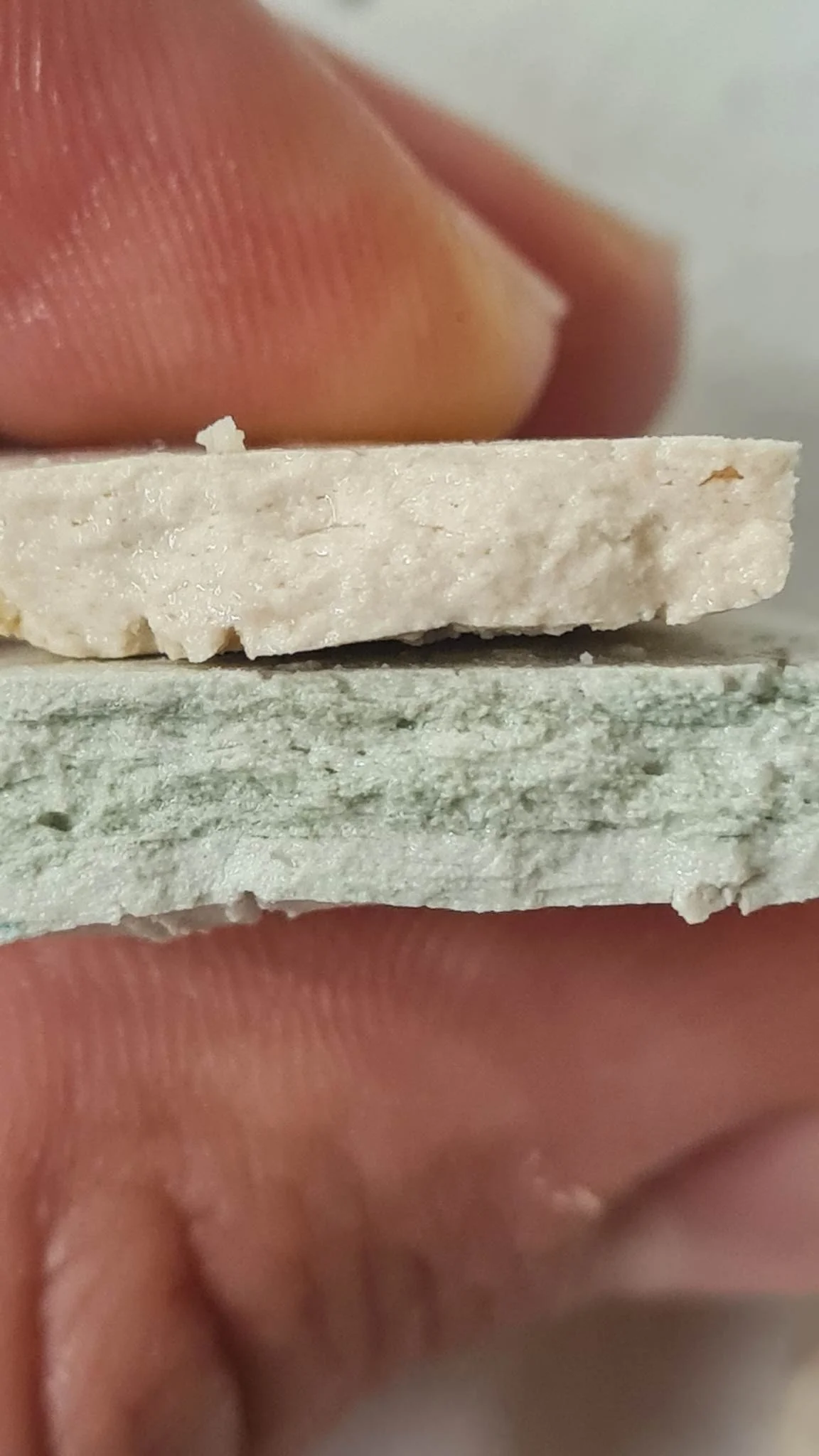
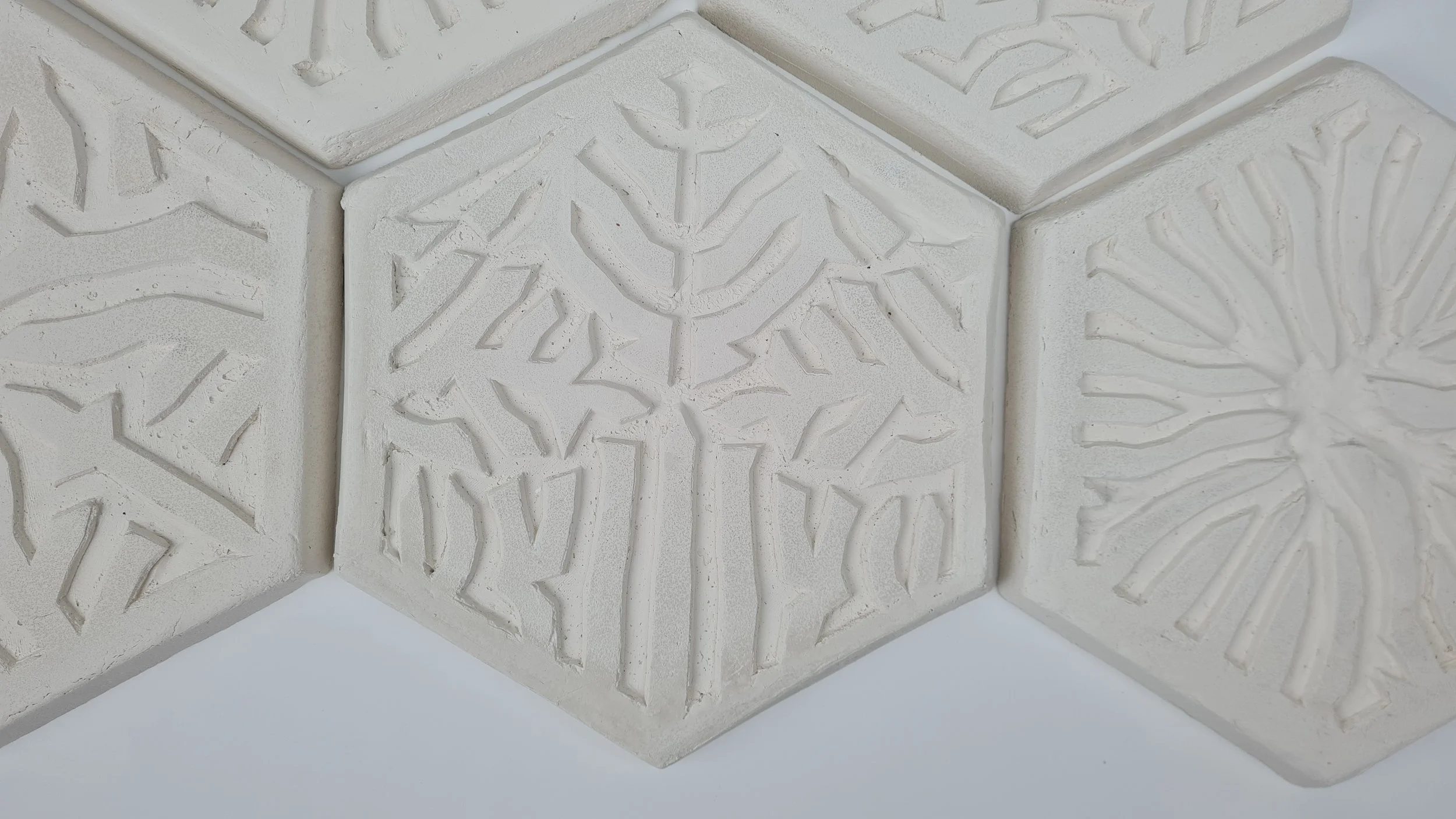
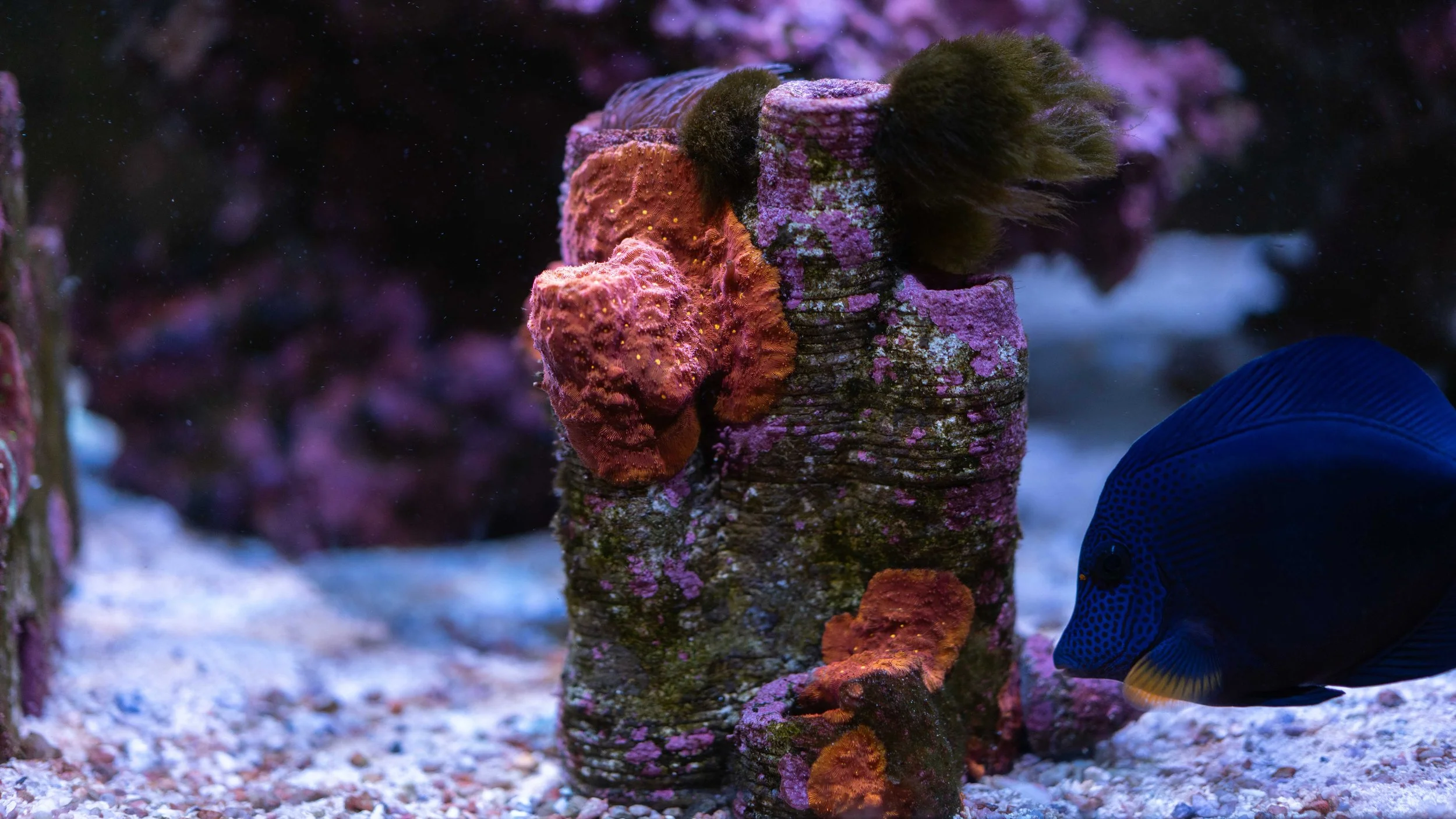
90 days in the reef tank
PAST DESIGN WORK
PAST DESIGN WORK
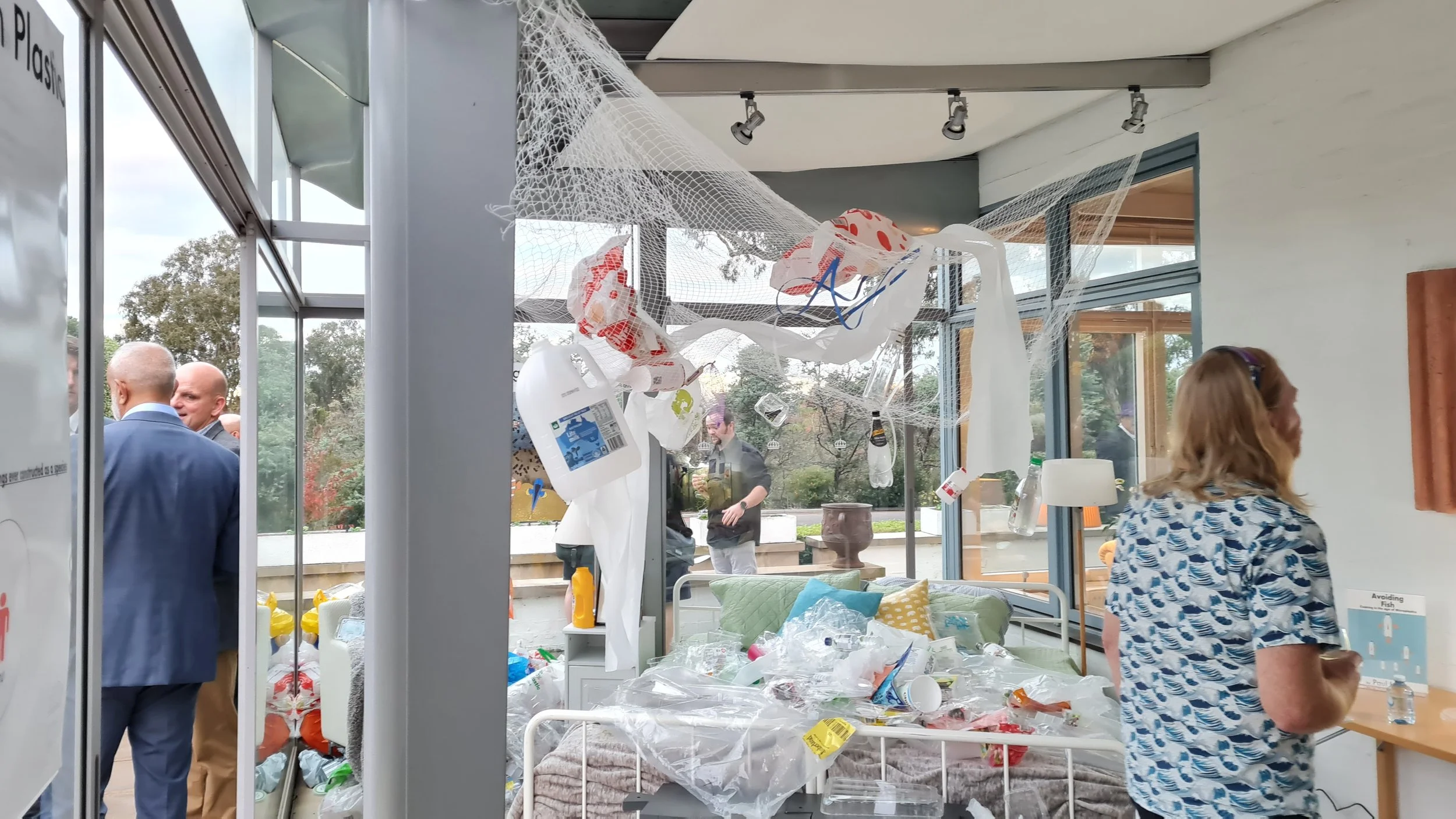
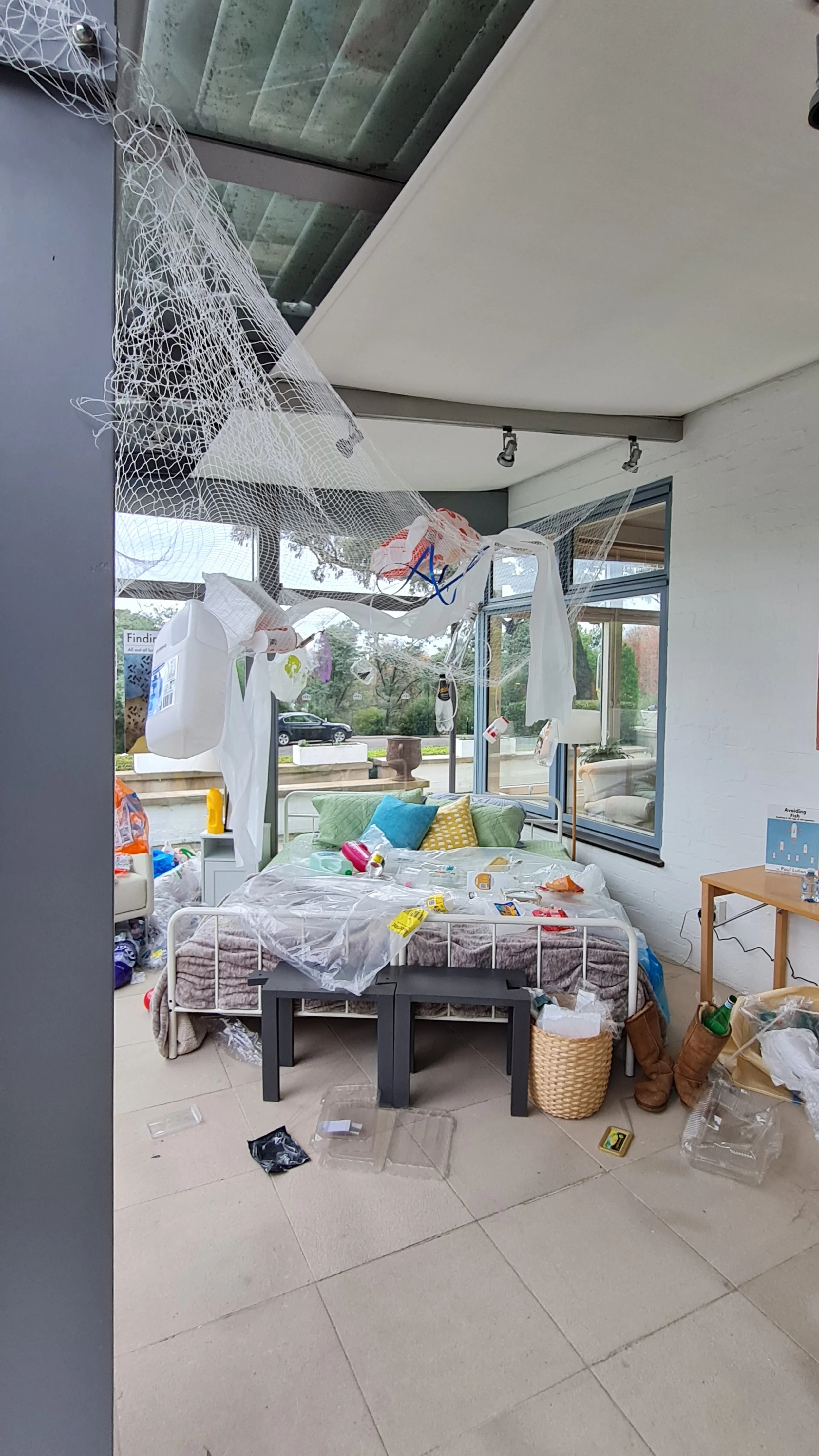
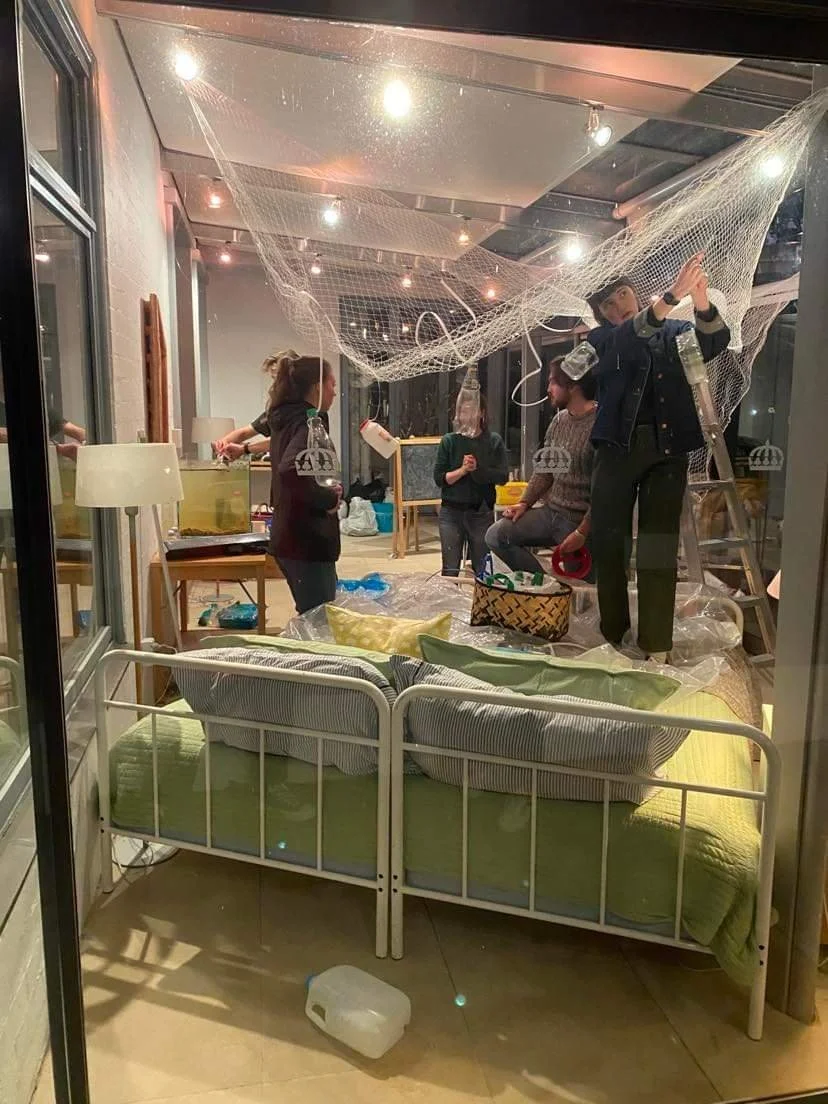
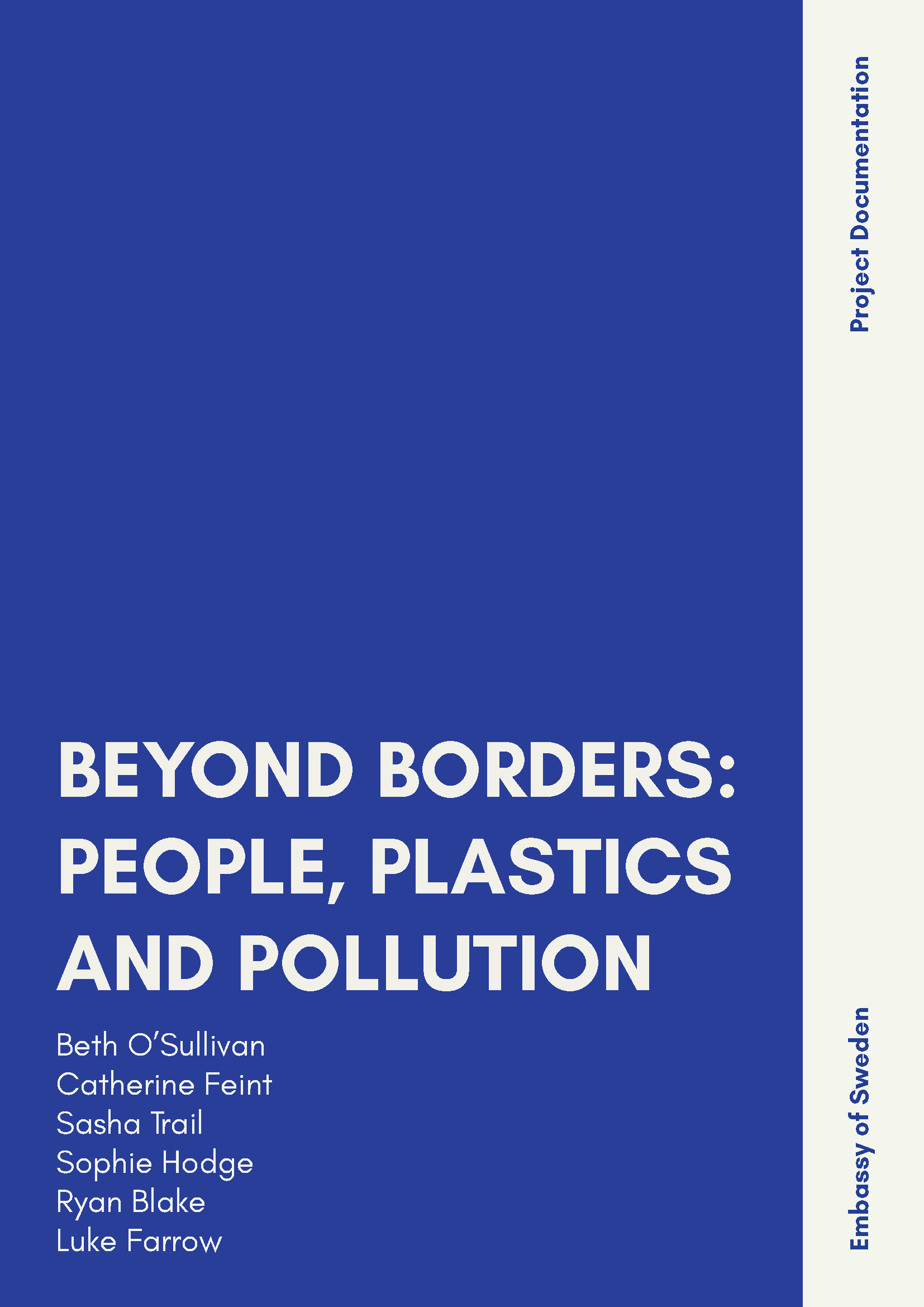
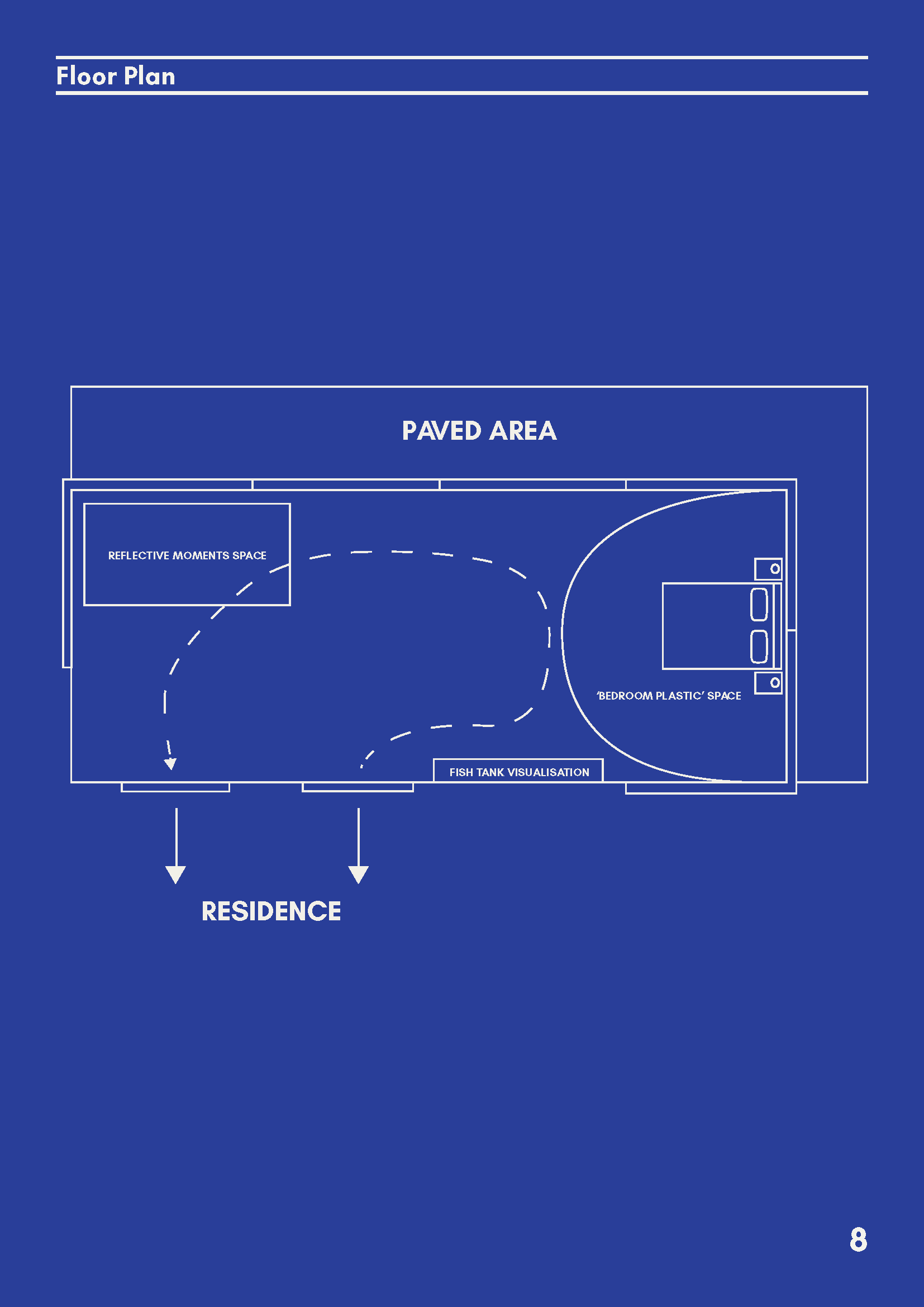
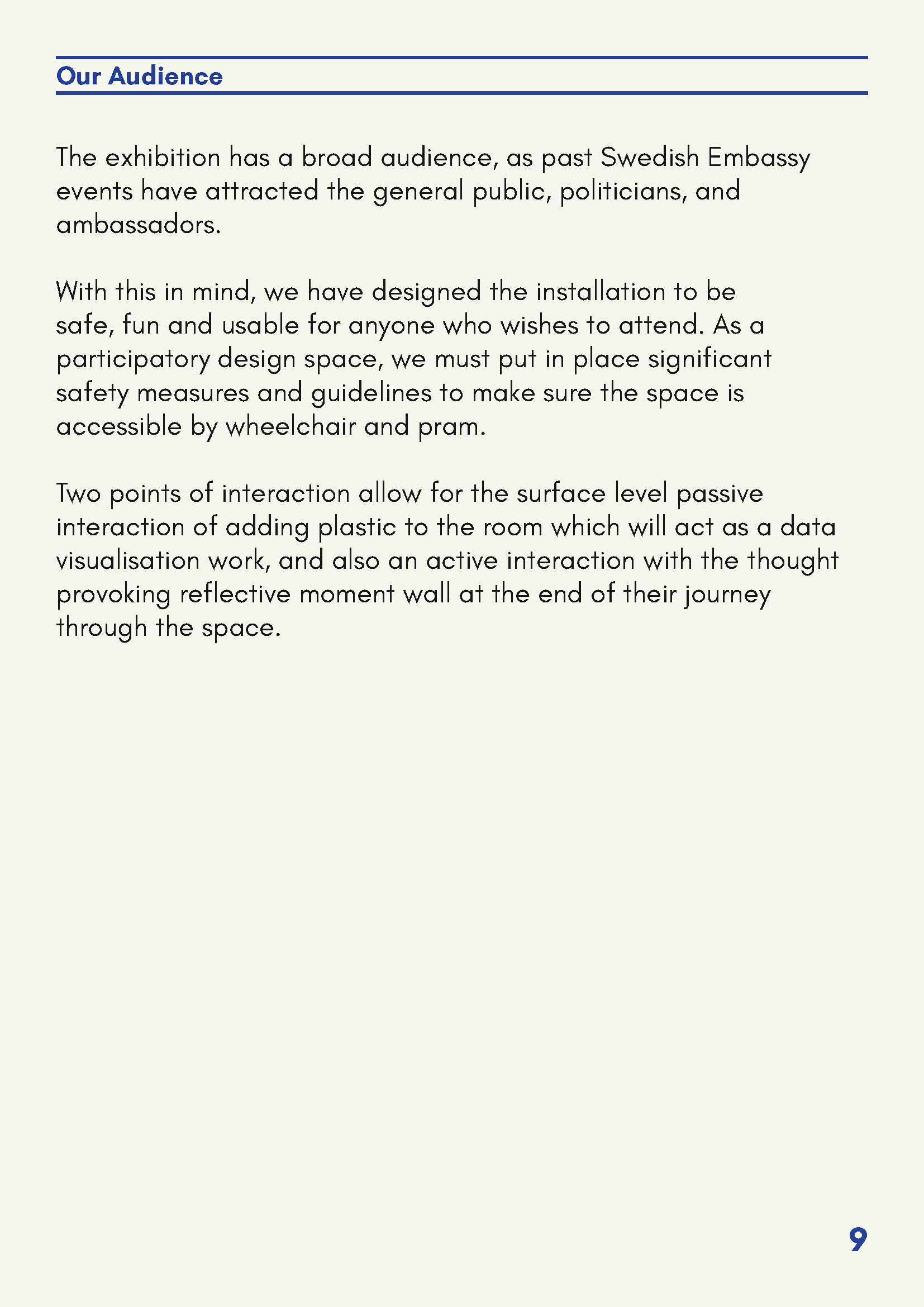
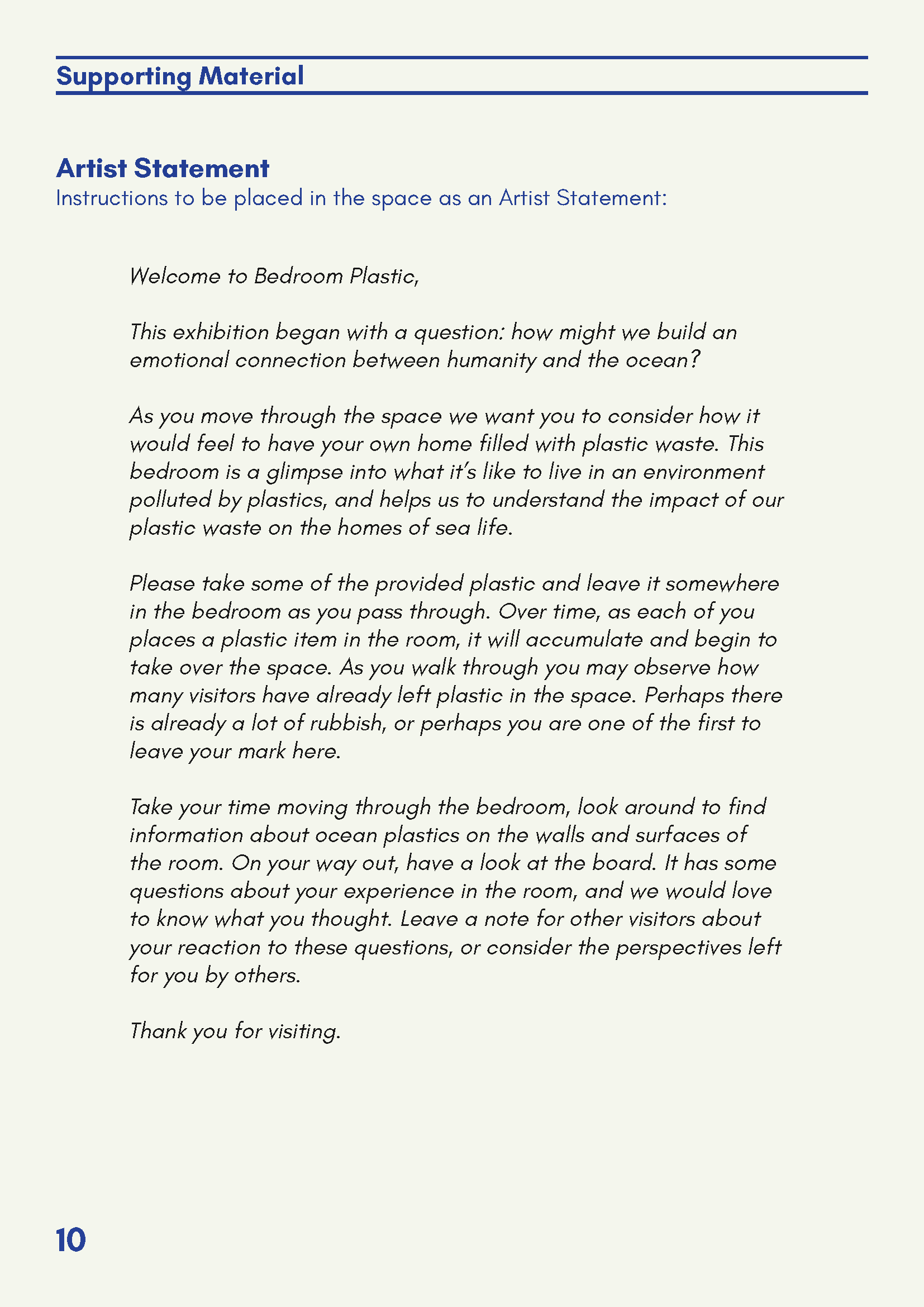
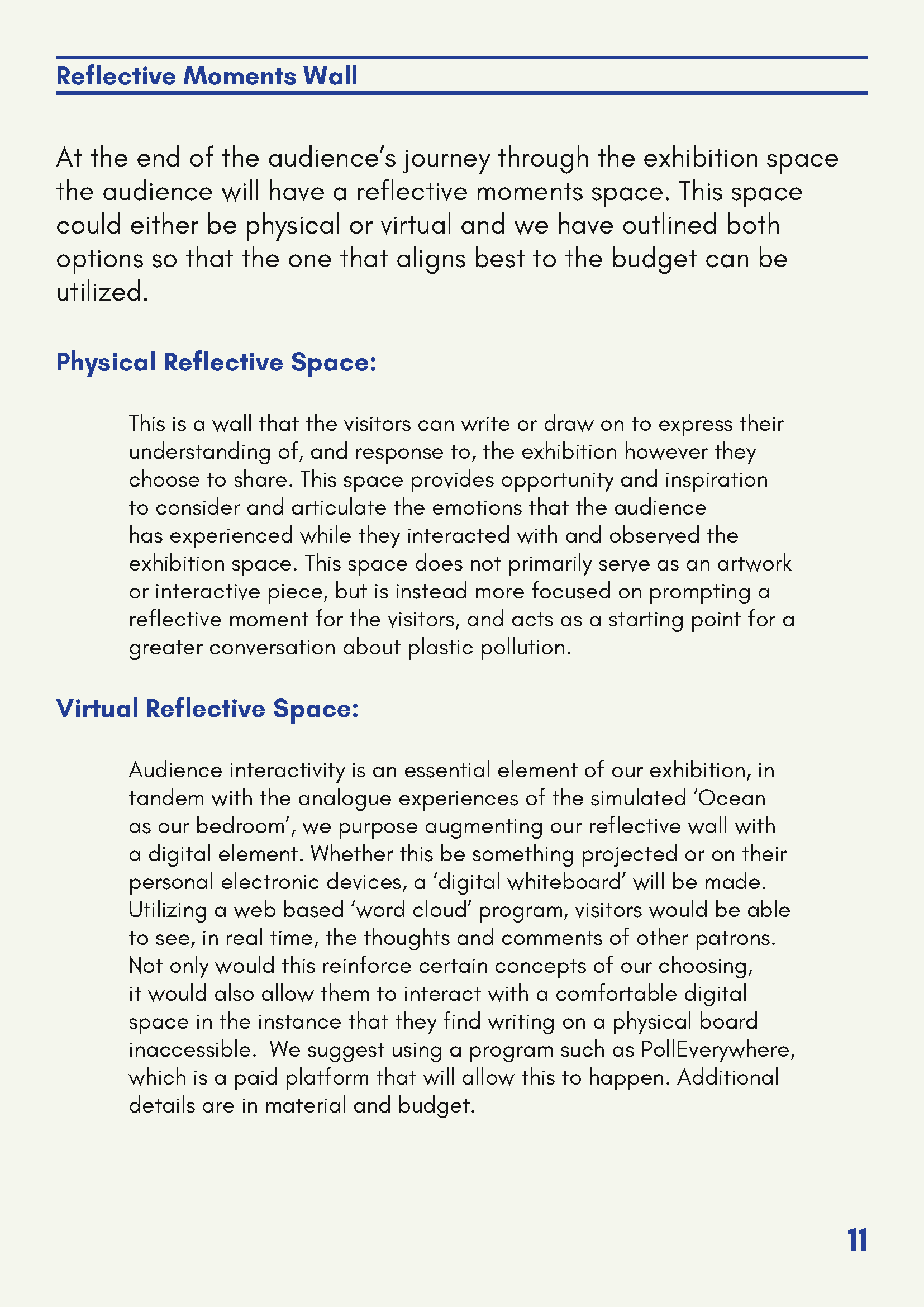
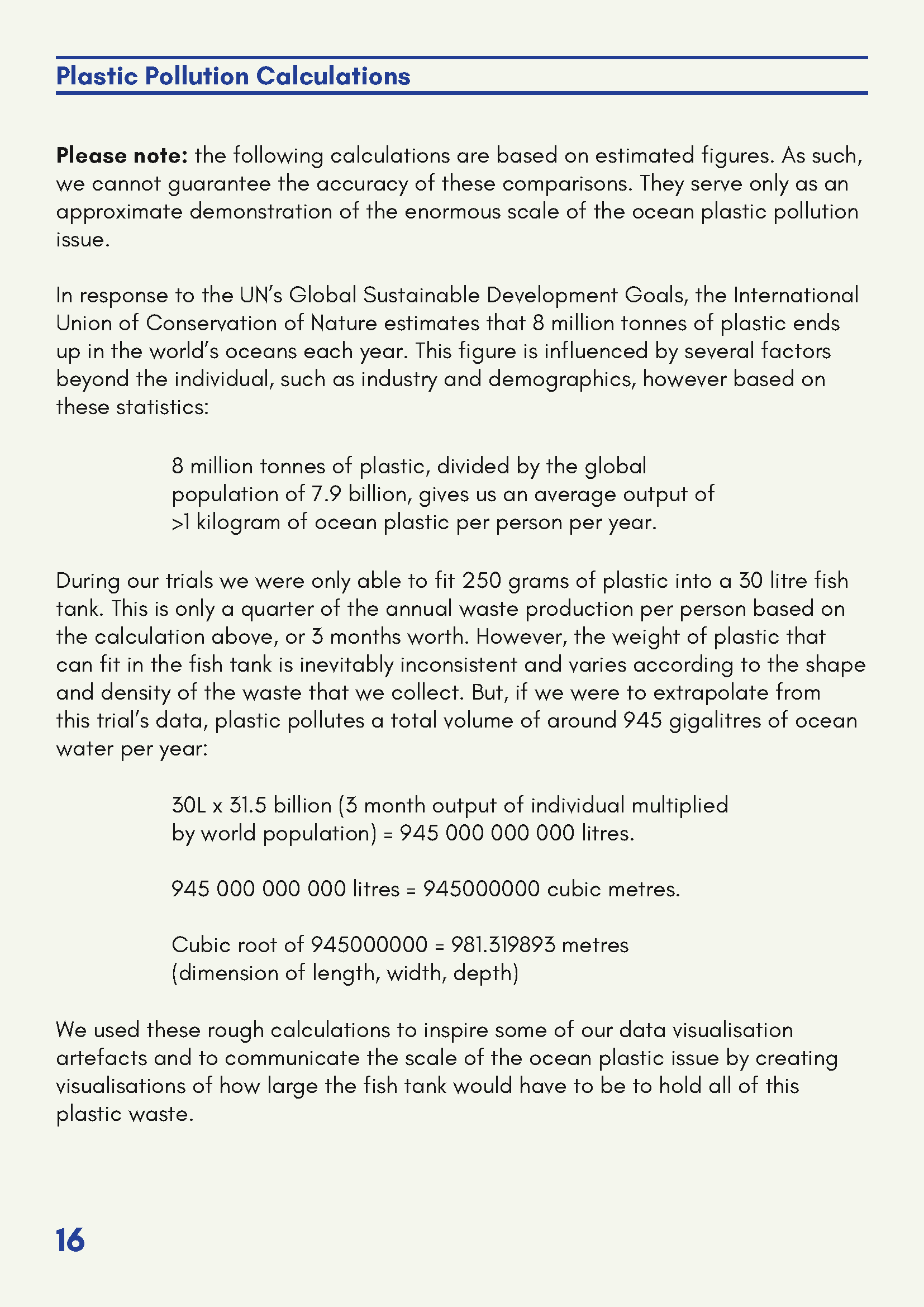
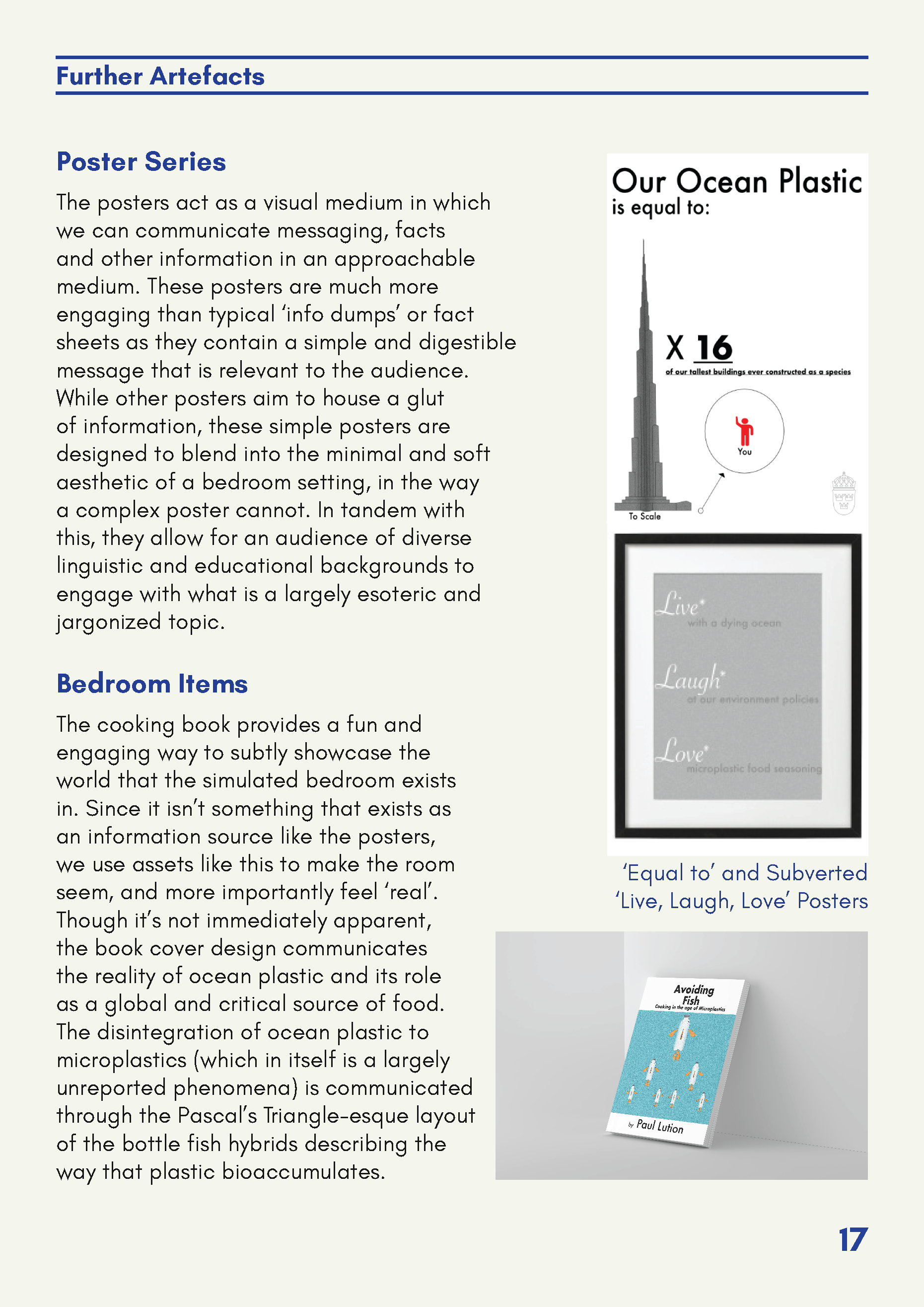
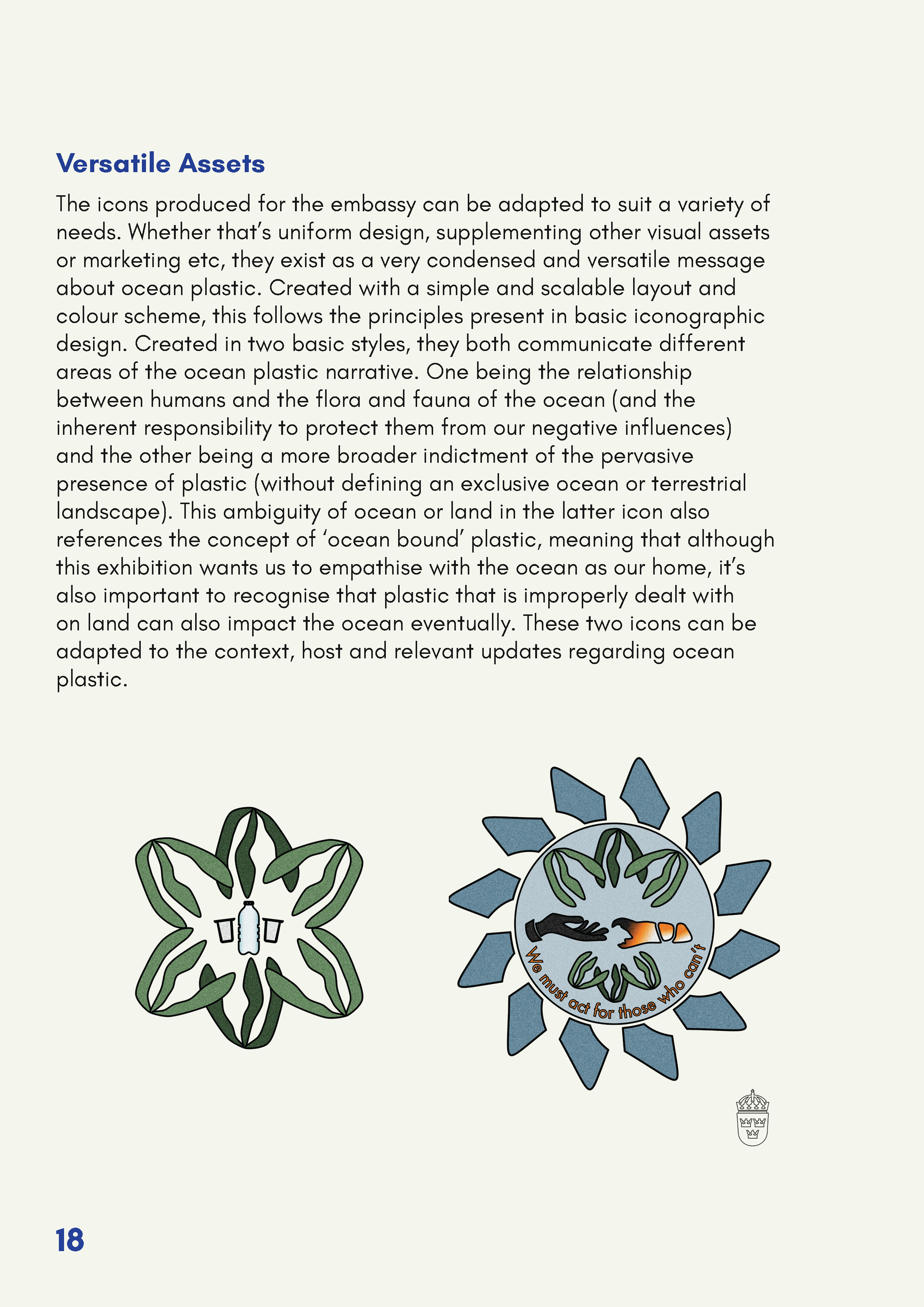
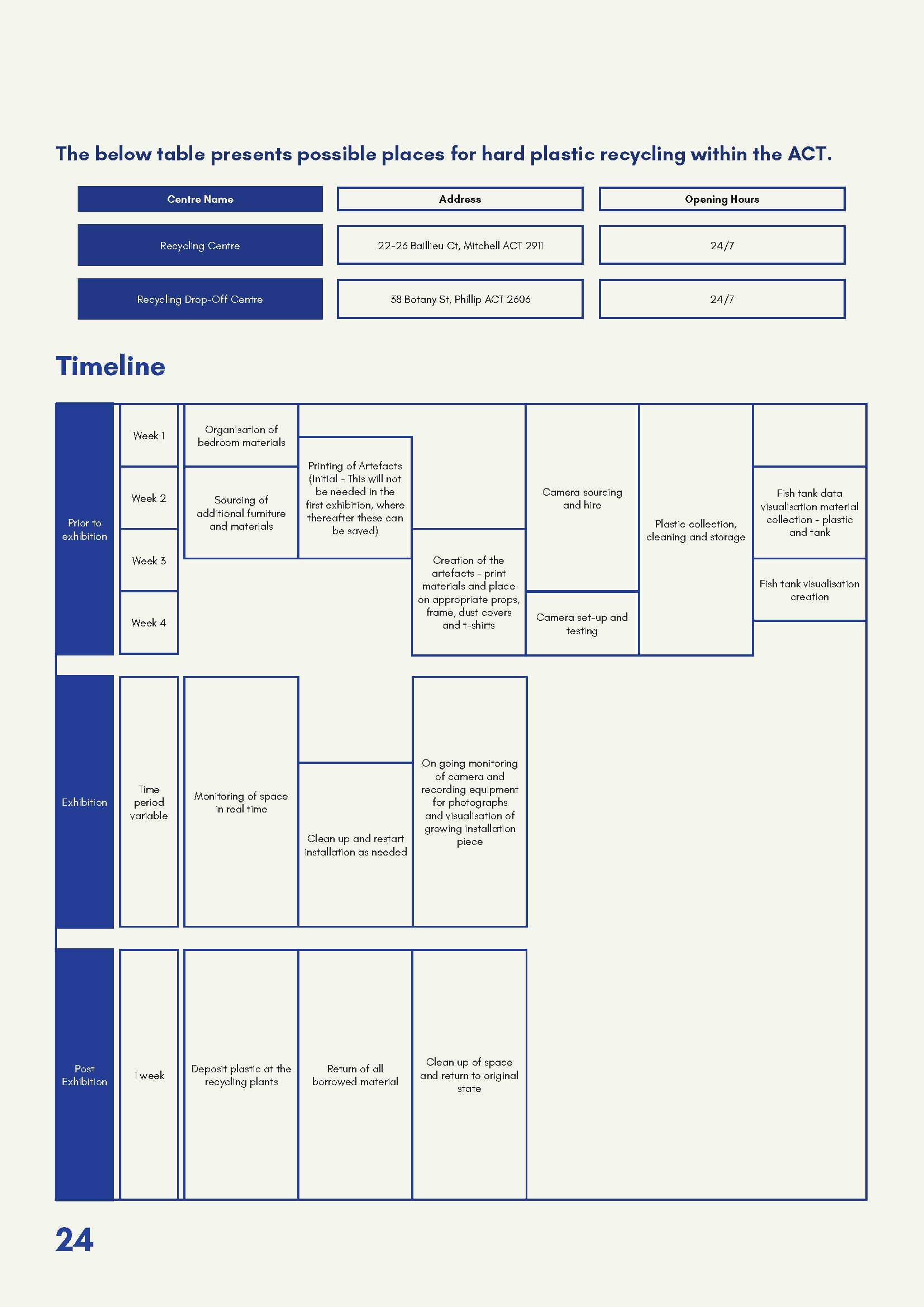
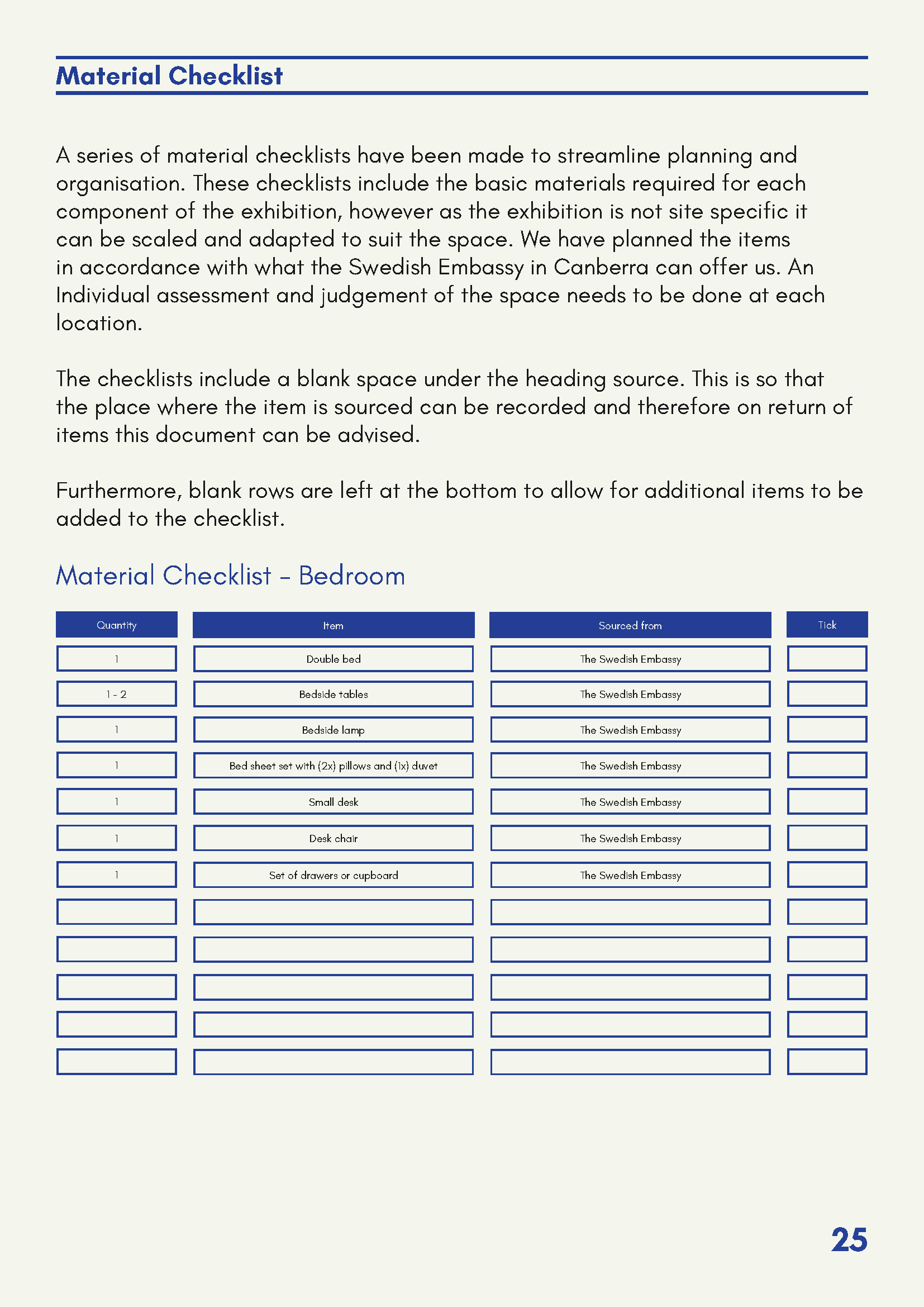
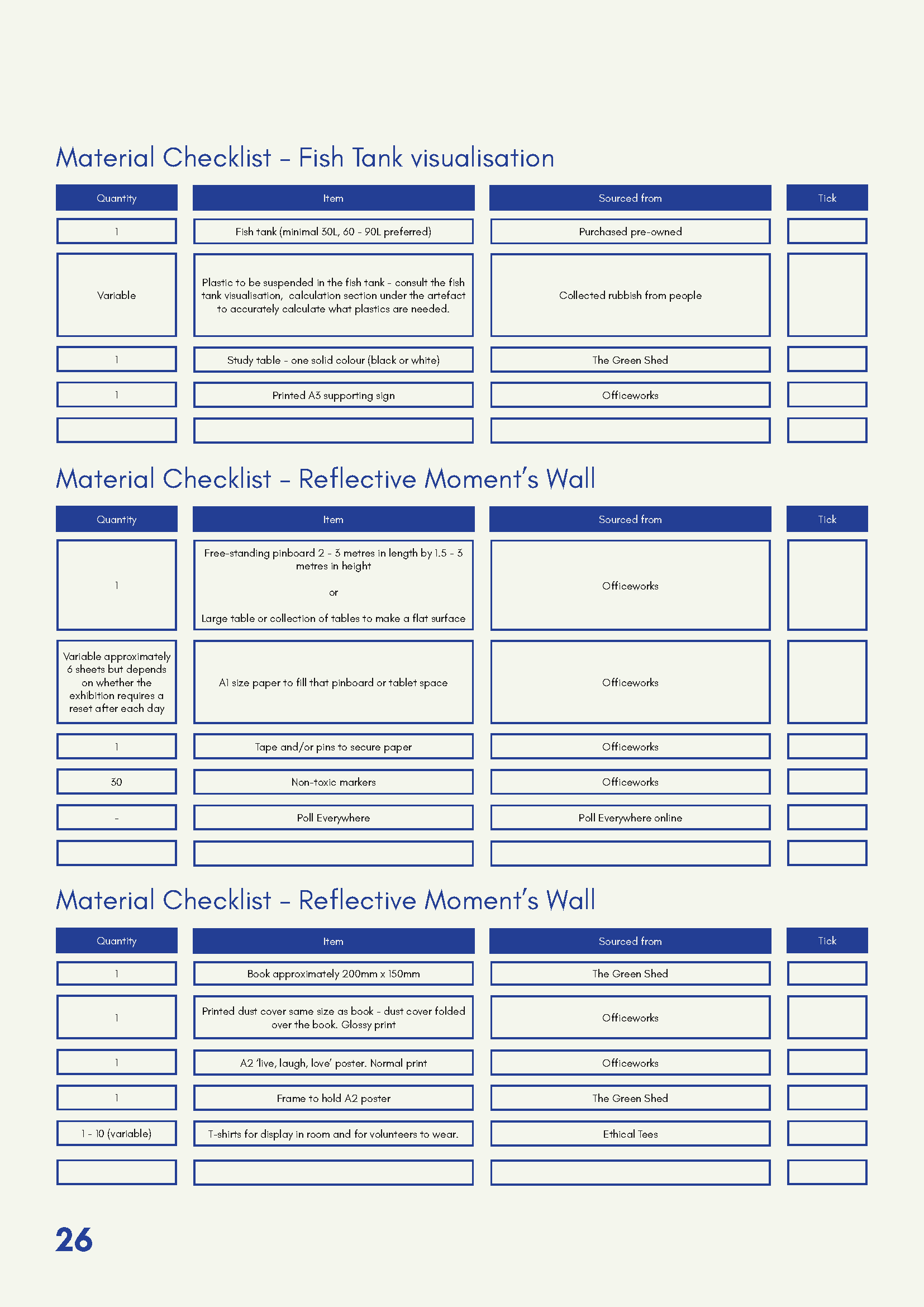
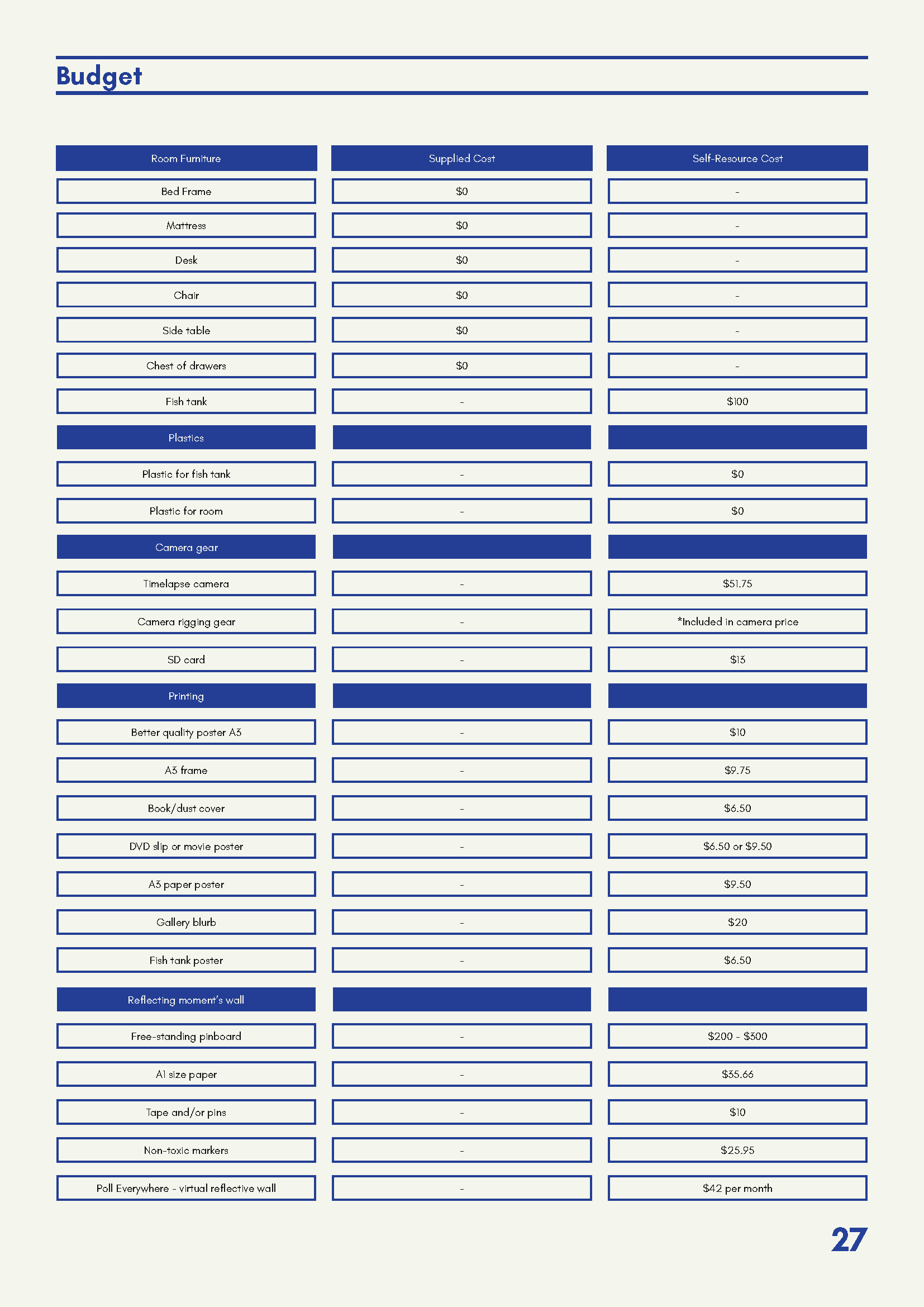
Bedroom Plastic: Swedish Embassy Exhibition
Beth O’Sullivan || Catherine Feint || Ryan Blake || Sophie Hodge || Sasha Trail || Luke Farrow
2021-2022
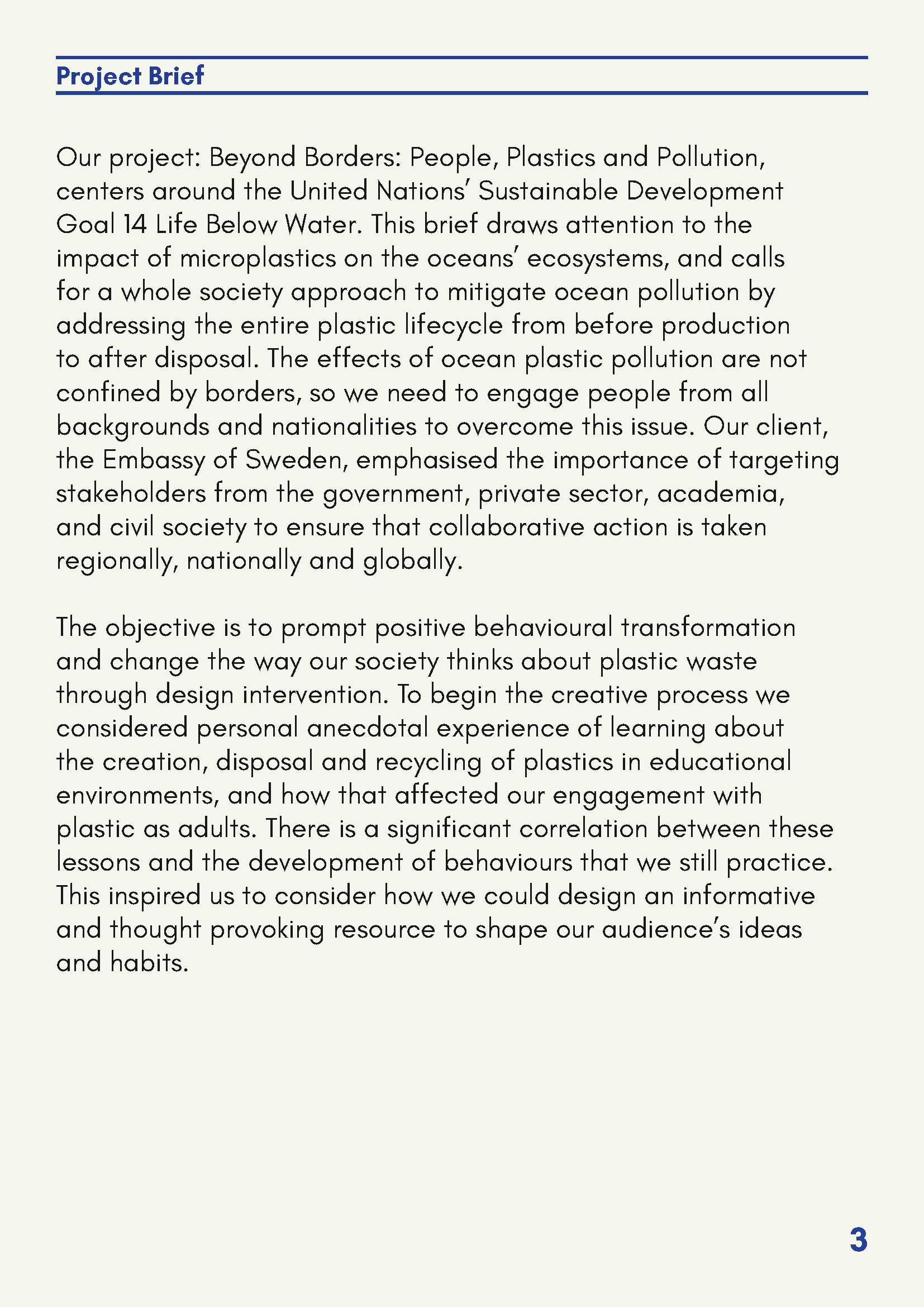
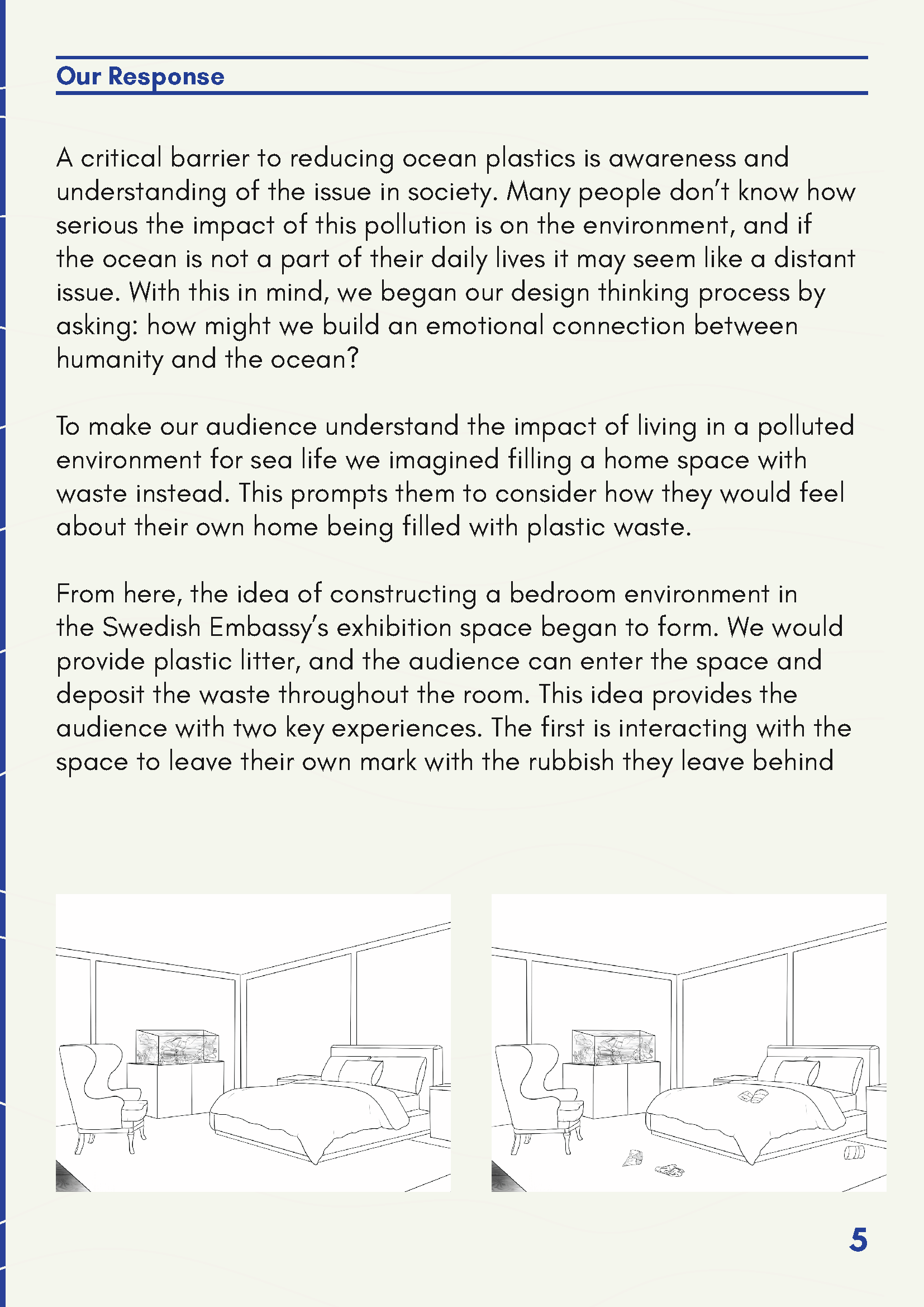
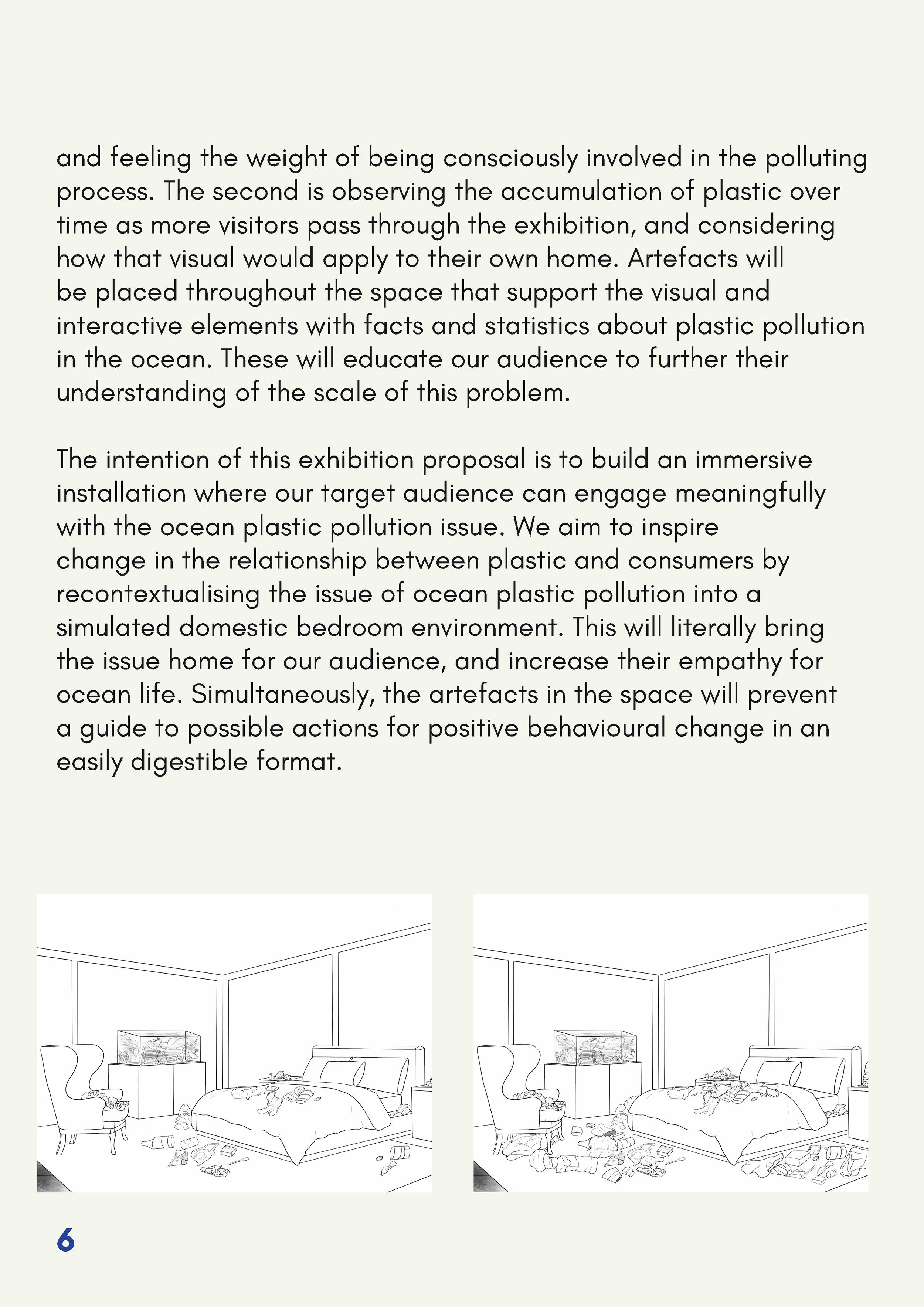
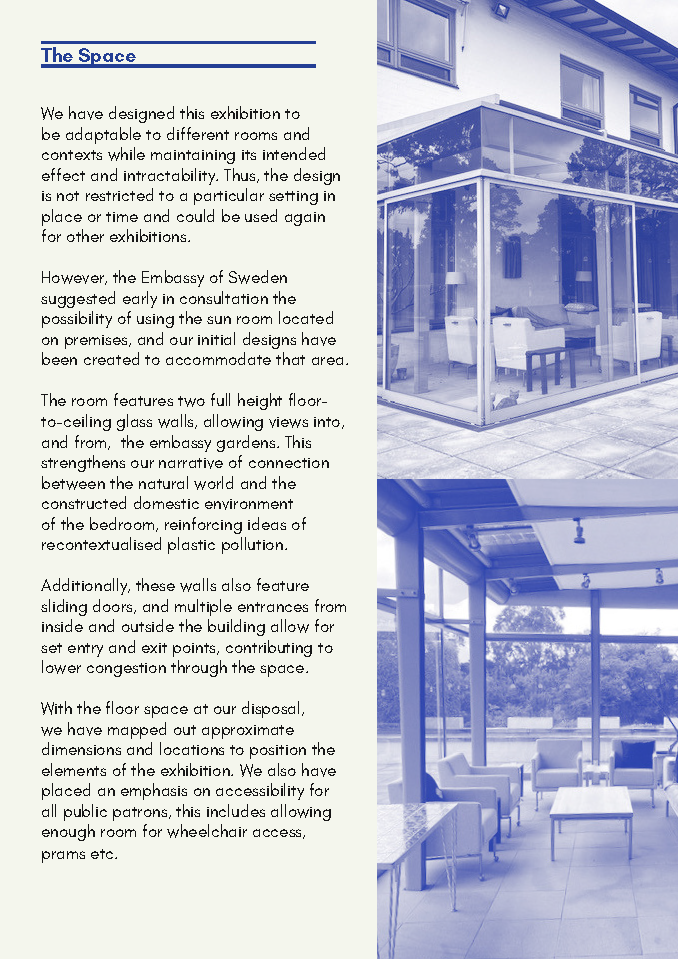
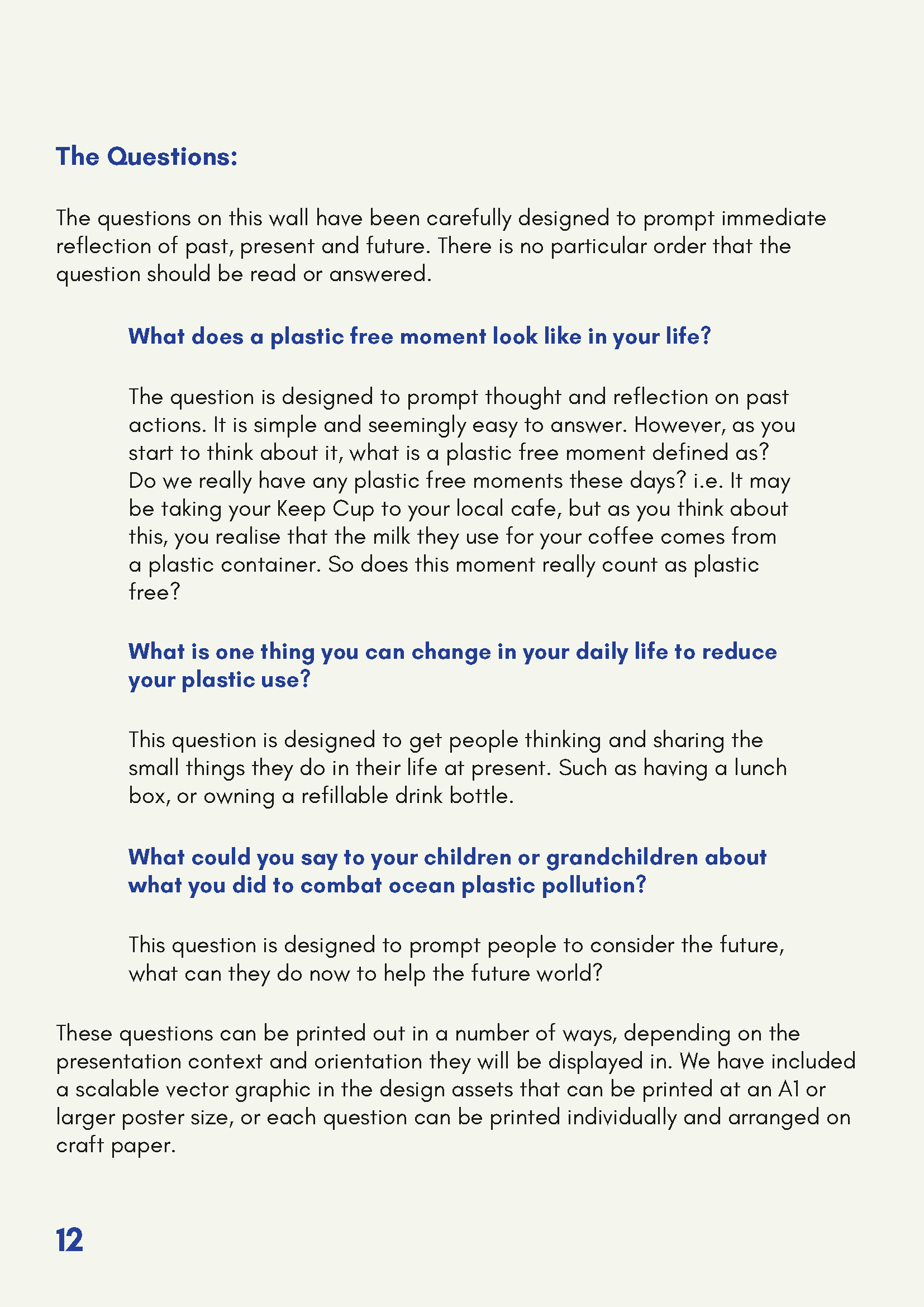
A critical barrier to reducing ocean plastics is awareness and understanding of the issue in society. Many people don’t know how serious the impact of this pollution is on the environment, and if the ocean is not a part of their daily lives it may seem like a distant issue. With this in mind, we began our design thinking process by asking: how might we build an emotional connection between humanity and the ocean?
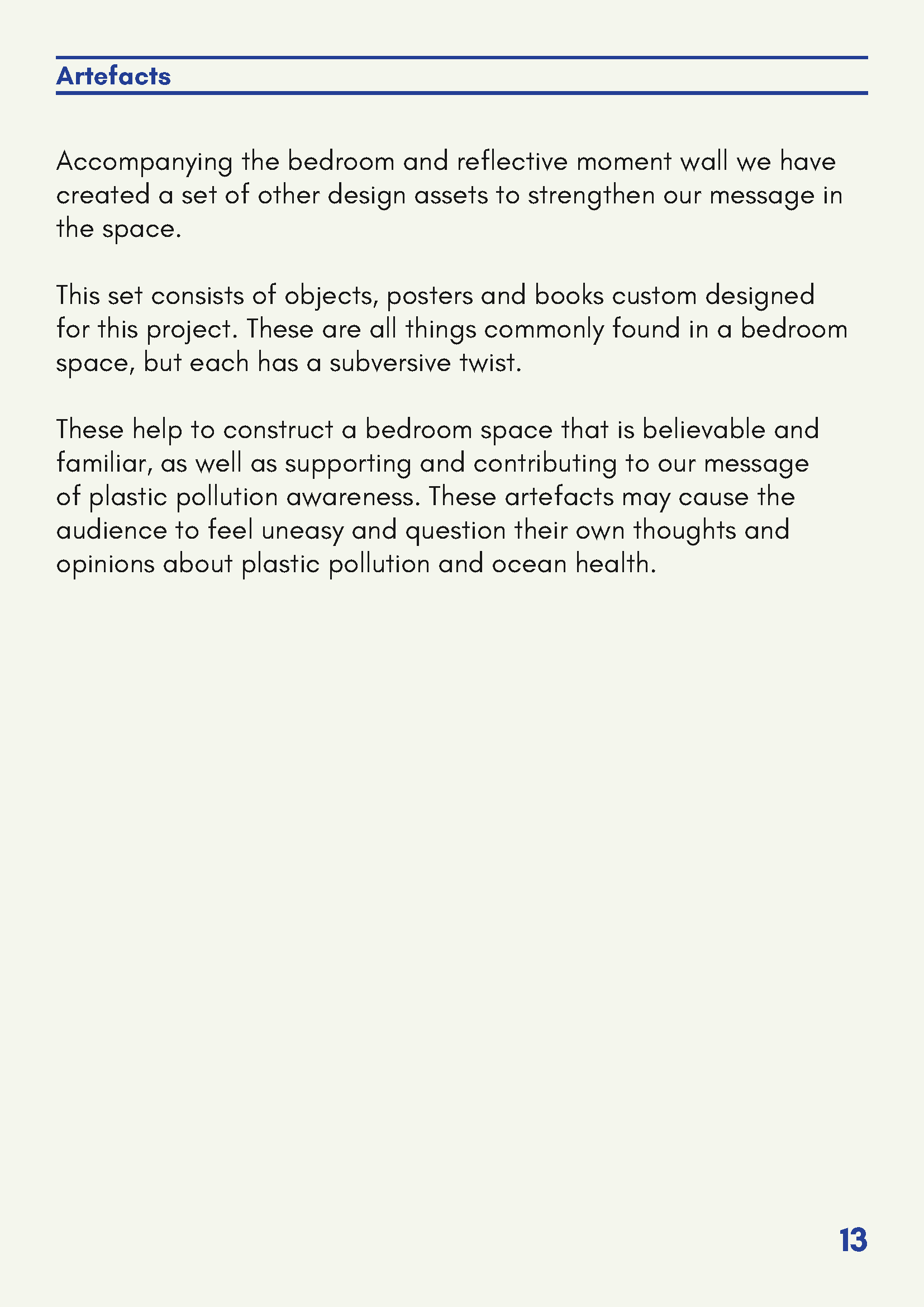
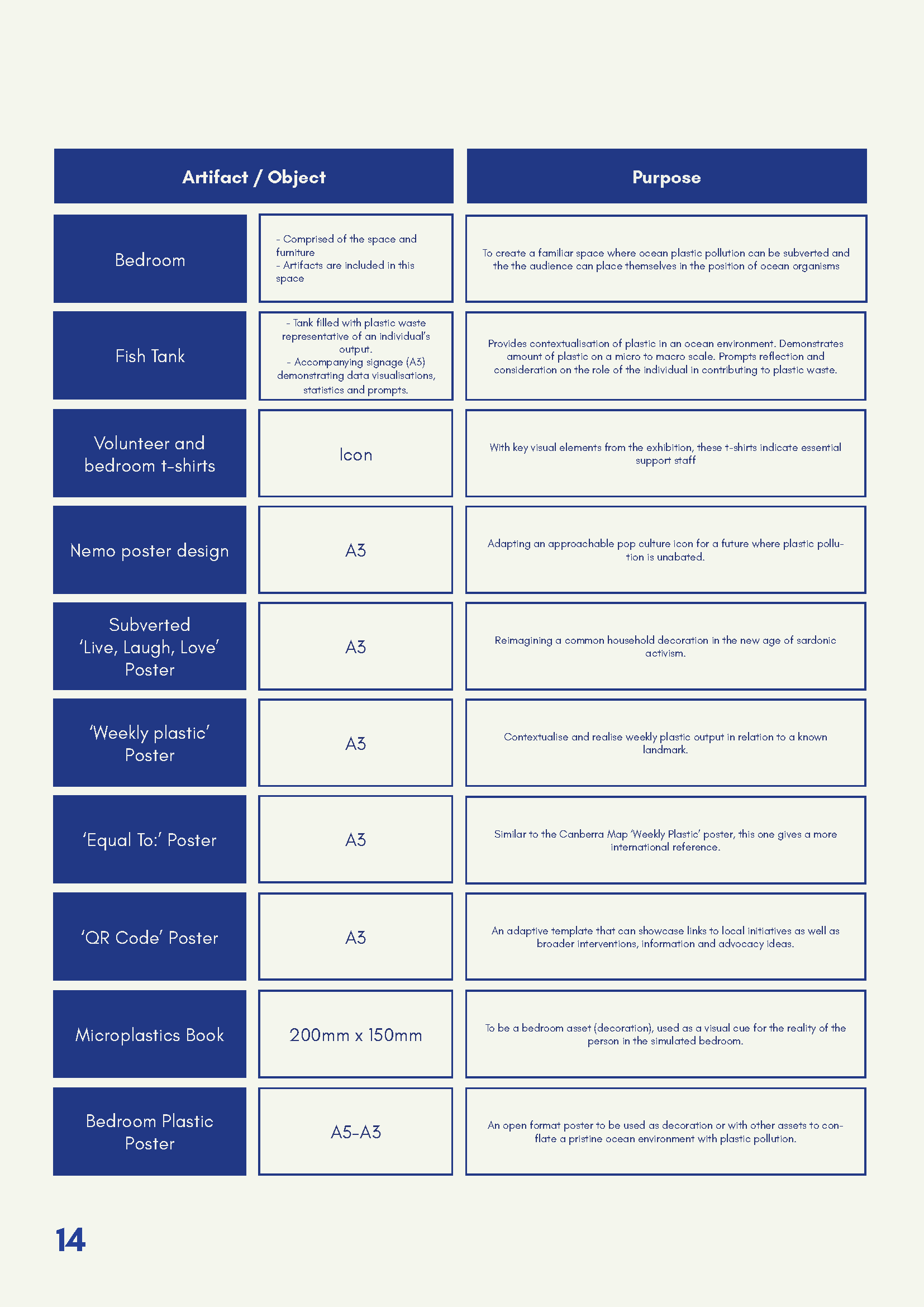
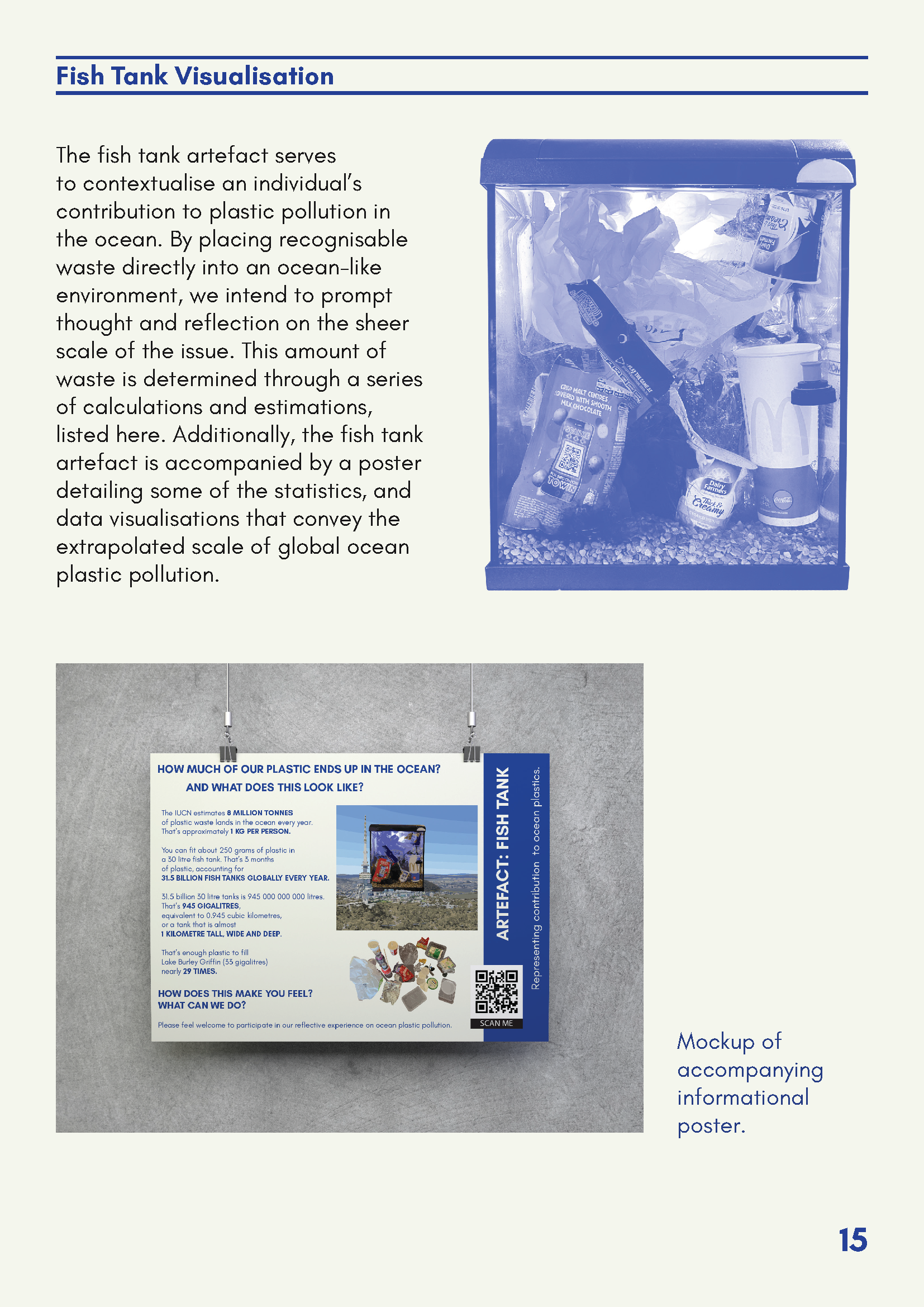
Using found plastics, we prompted the audience to litter within a bedroom environment. This prompted a critical discussion about where our waste goes once it’s out of sight.
This work was commissioned by the Swedish Embassy to address the United Nations Sustainable Development Goal 14: Life Below Water.
Geo Jewellery
Beth O’Sullivan || Jordan McDonald || Zoe Cuthbert
2021
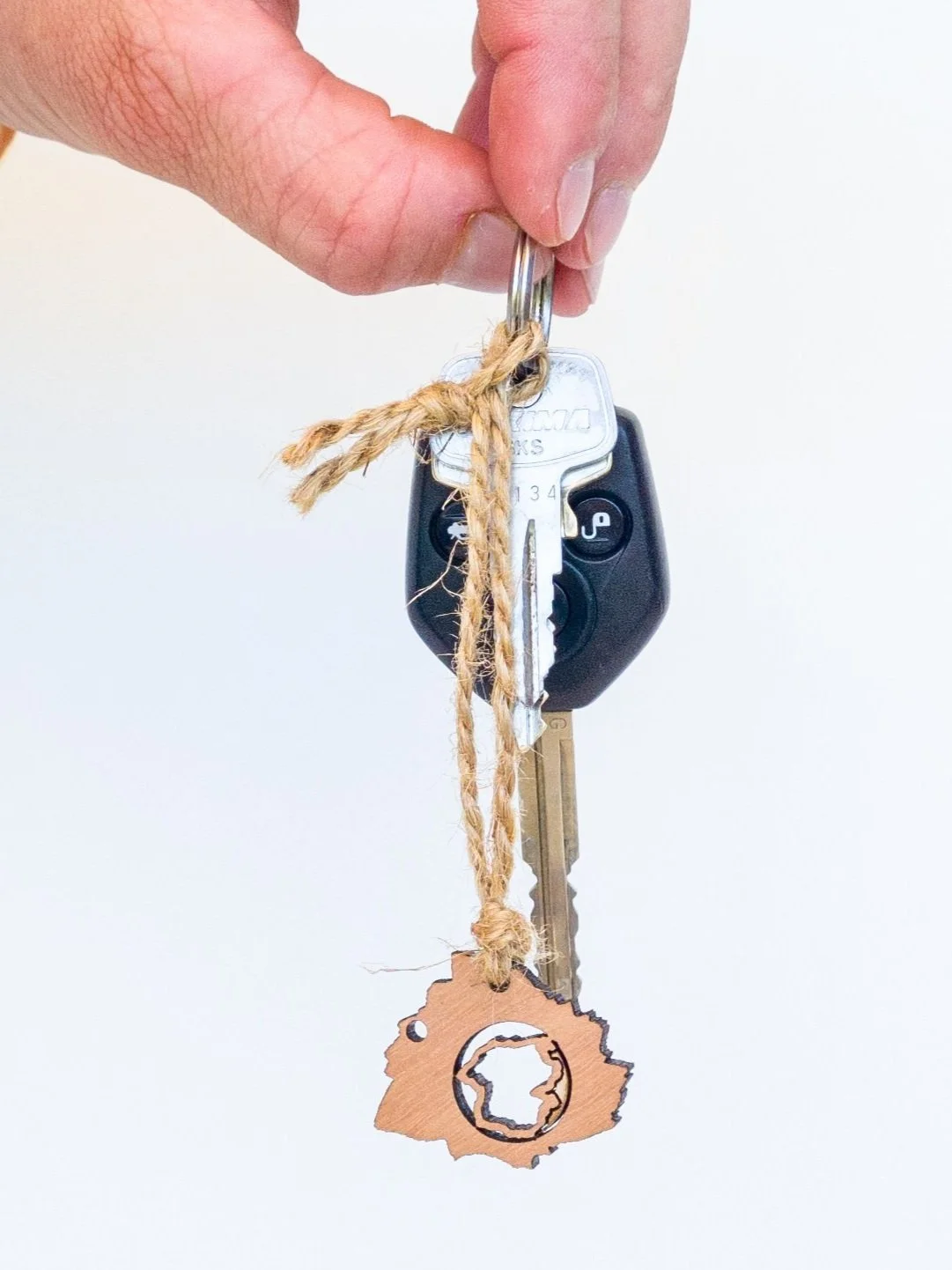
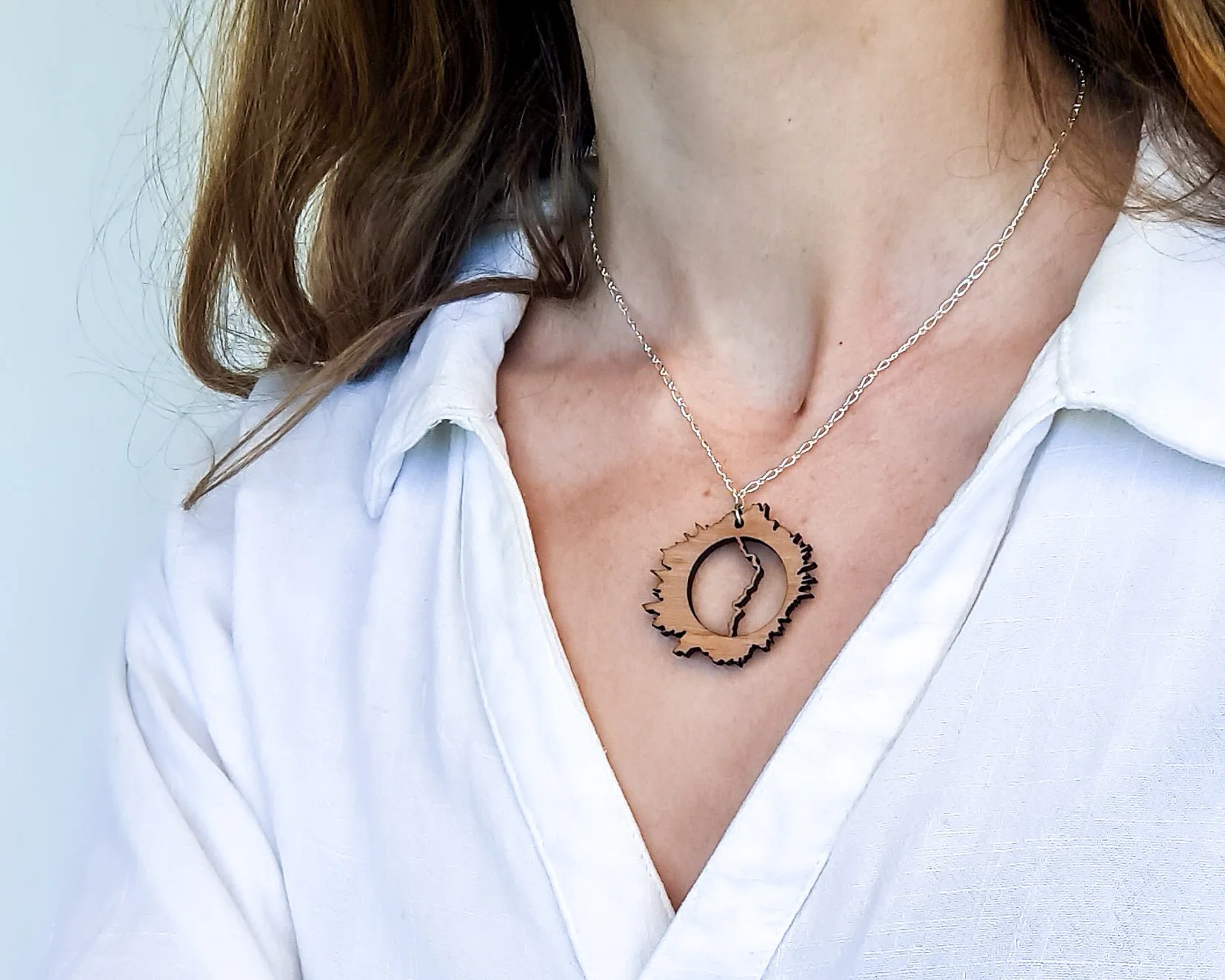
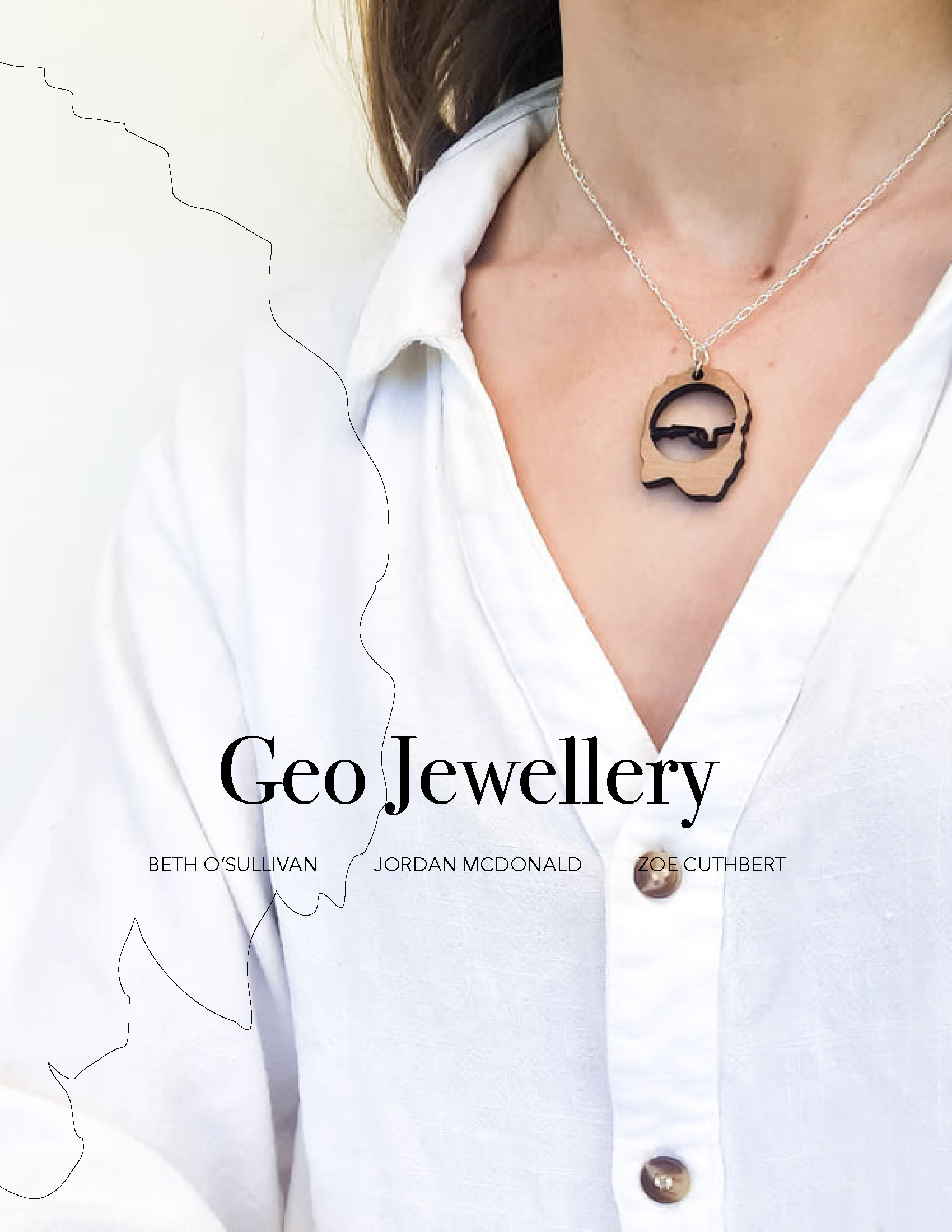
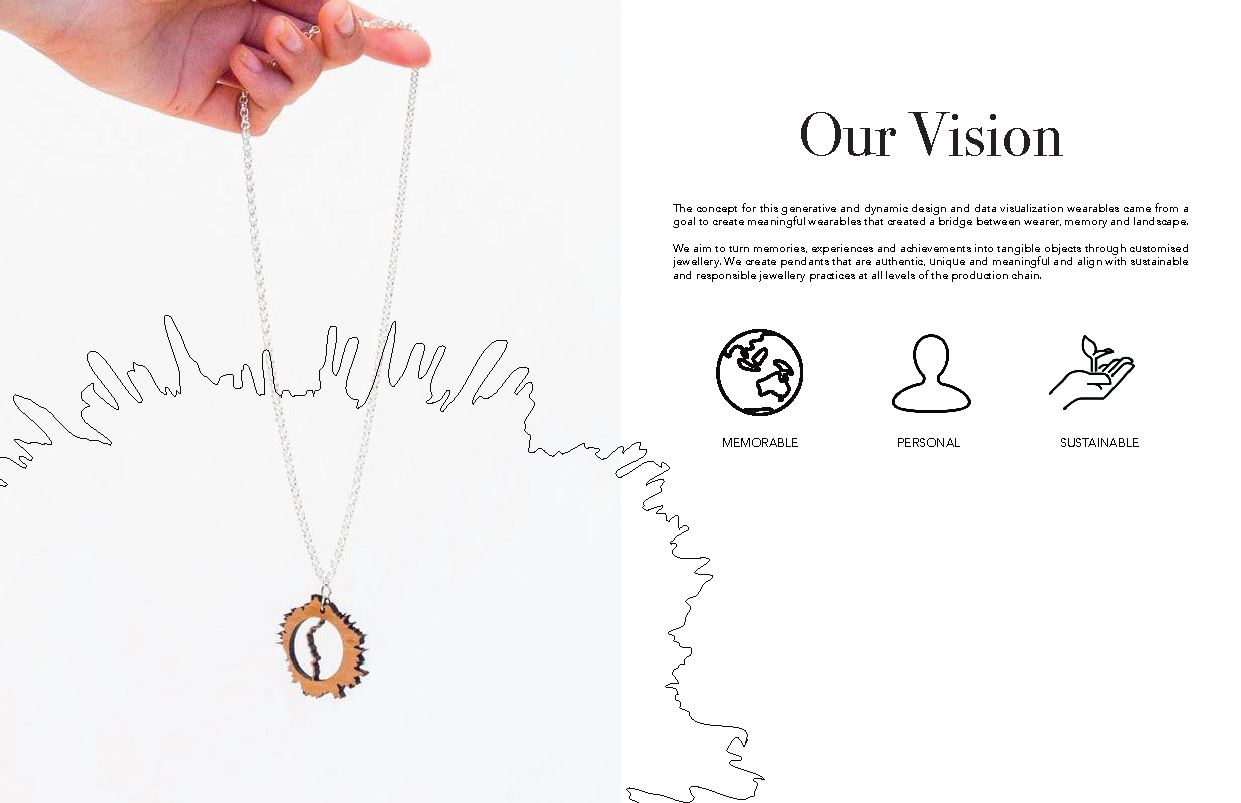
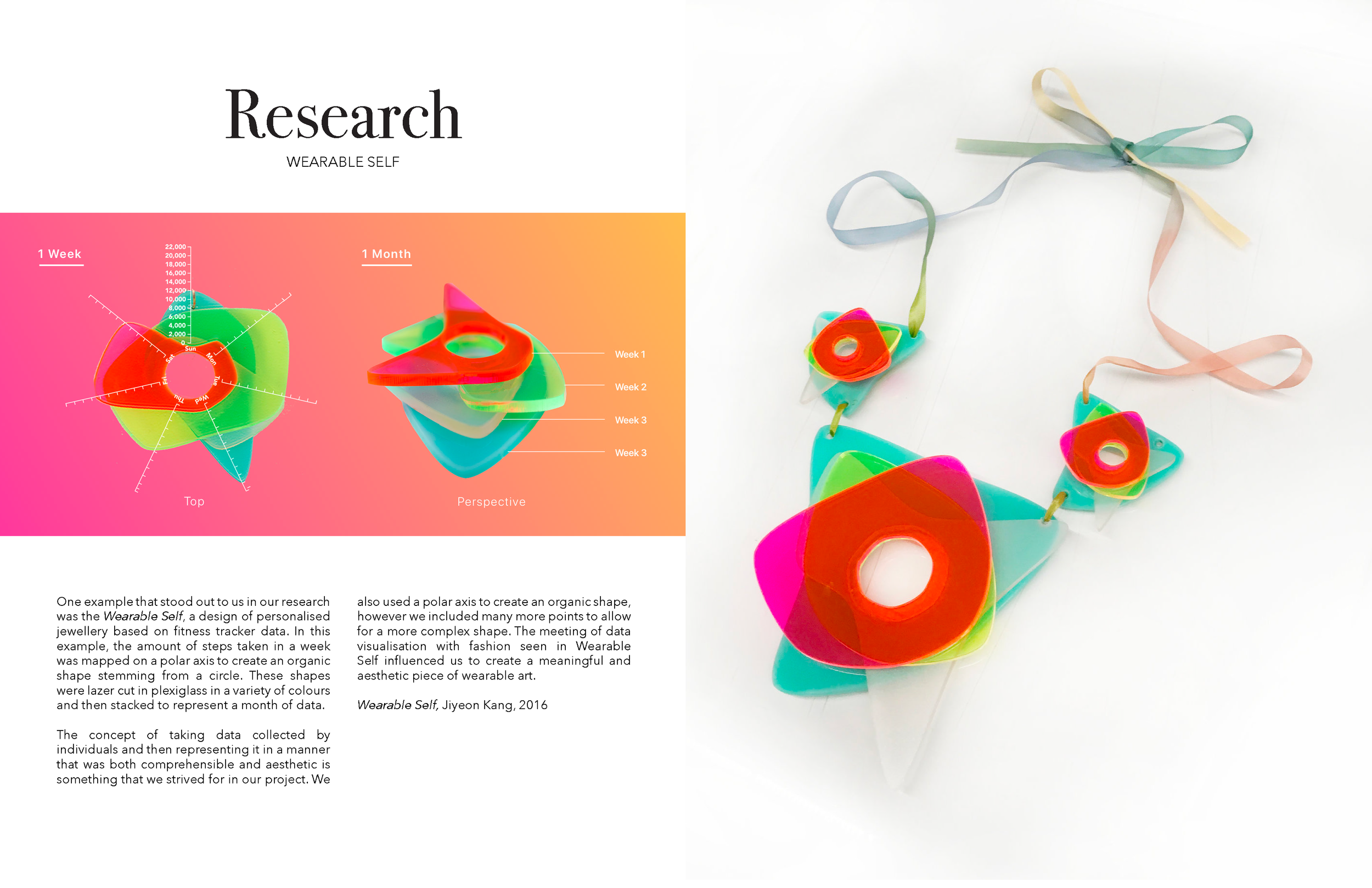
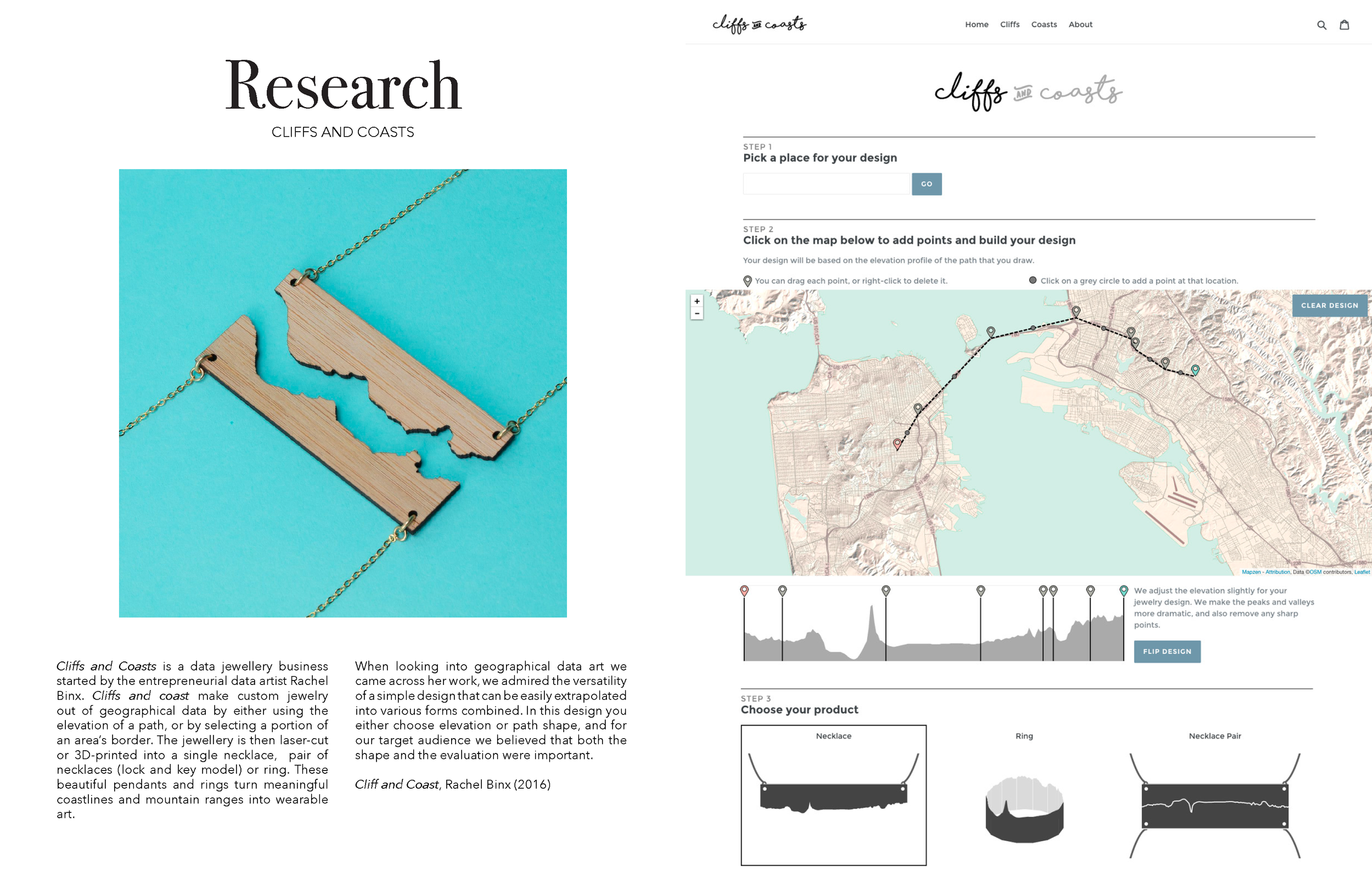
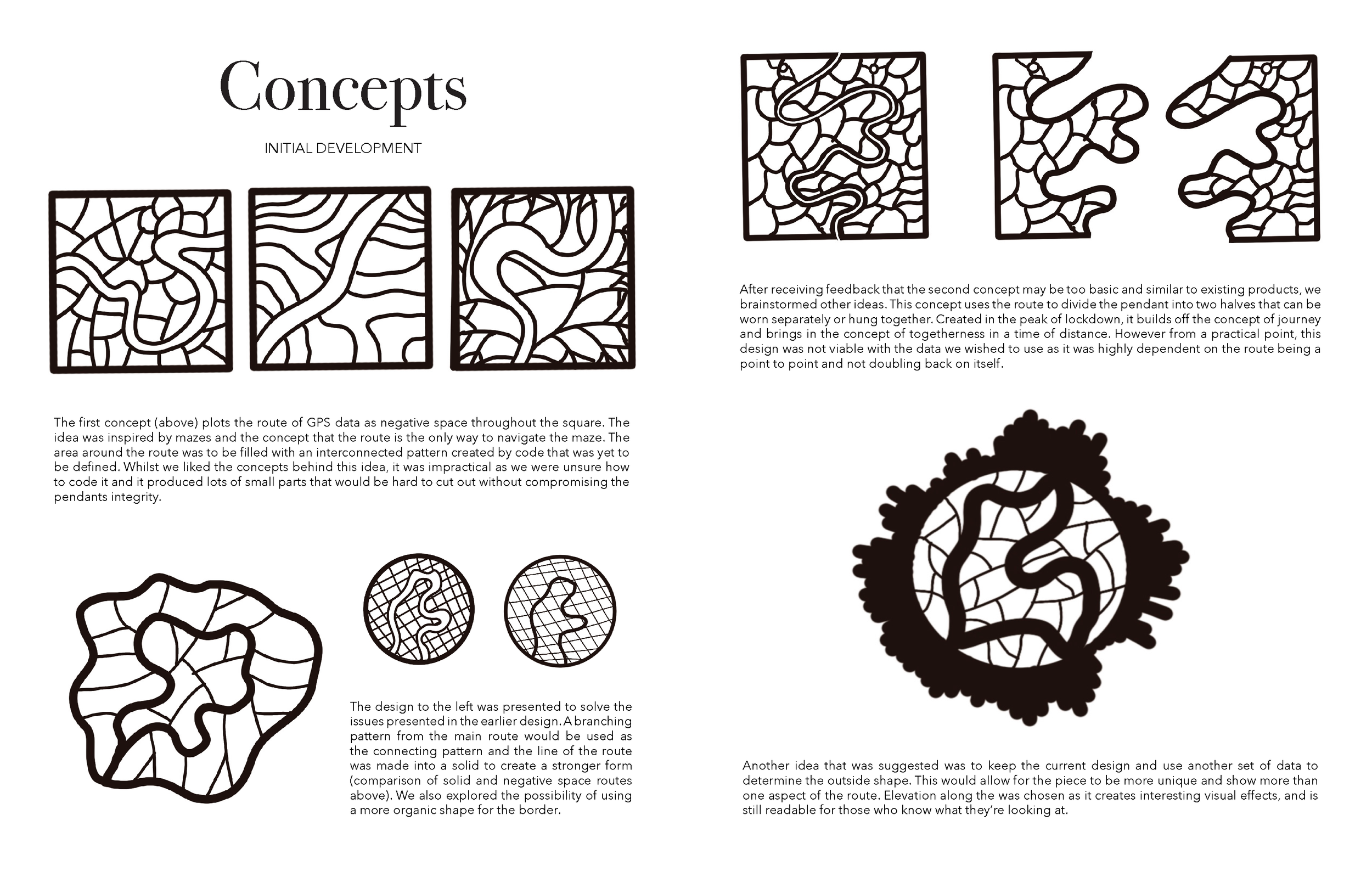
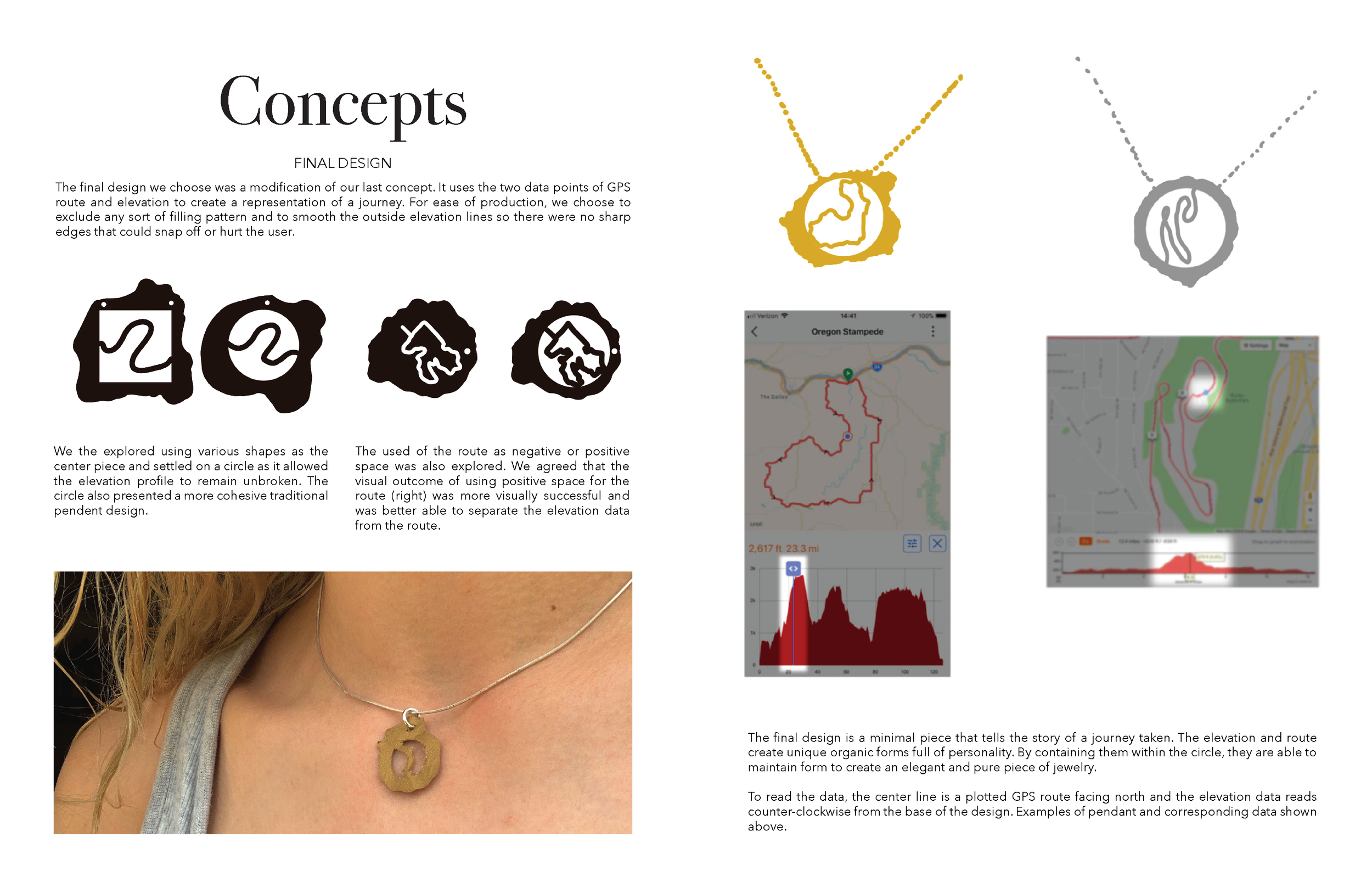
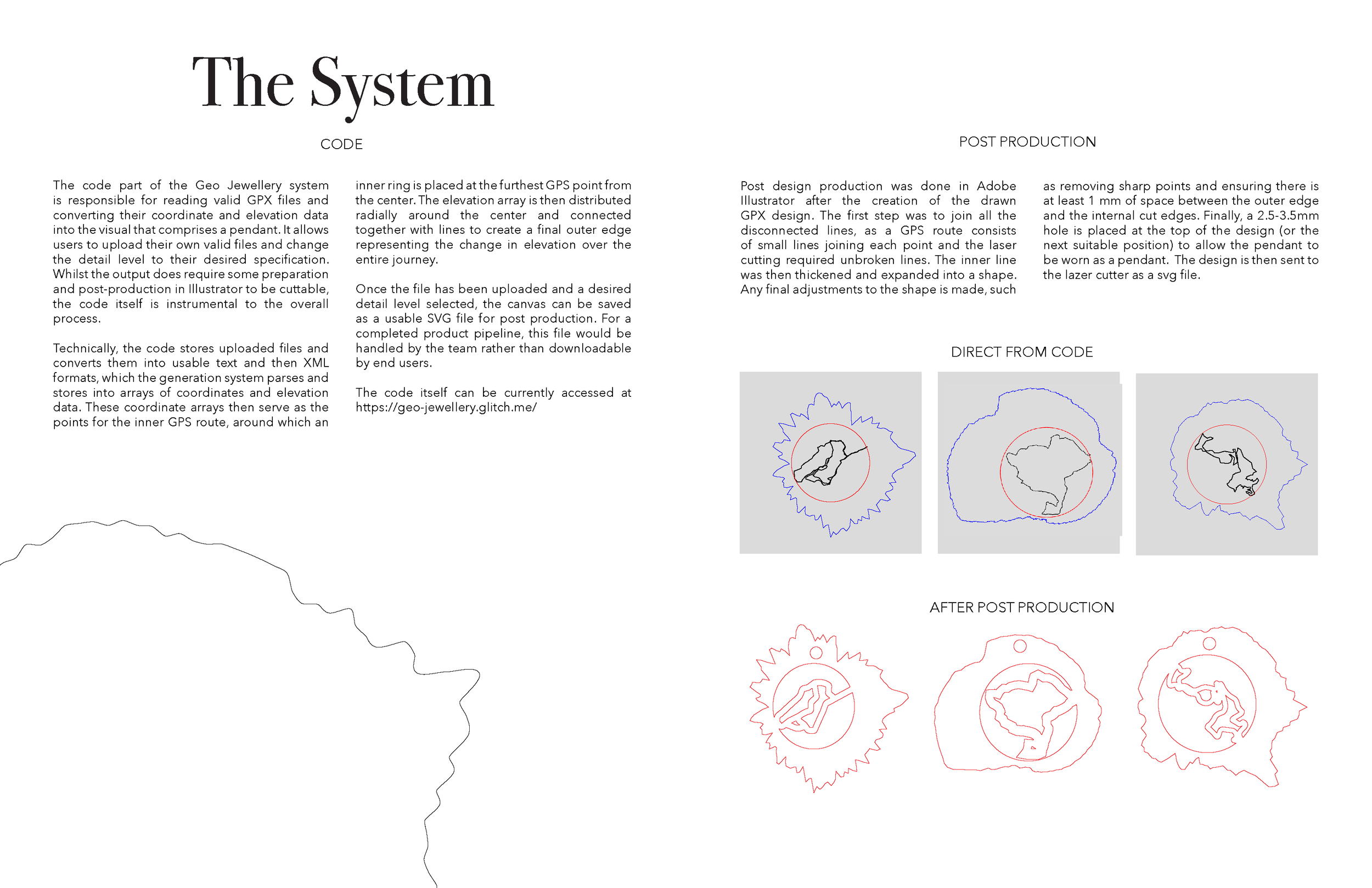
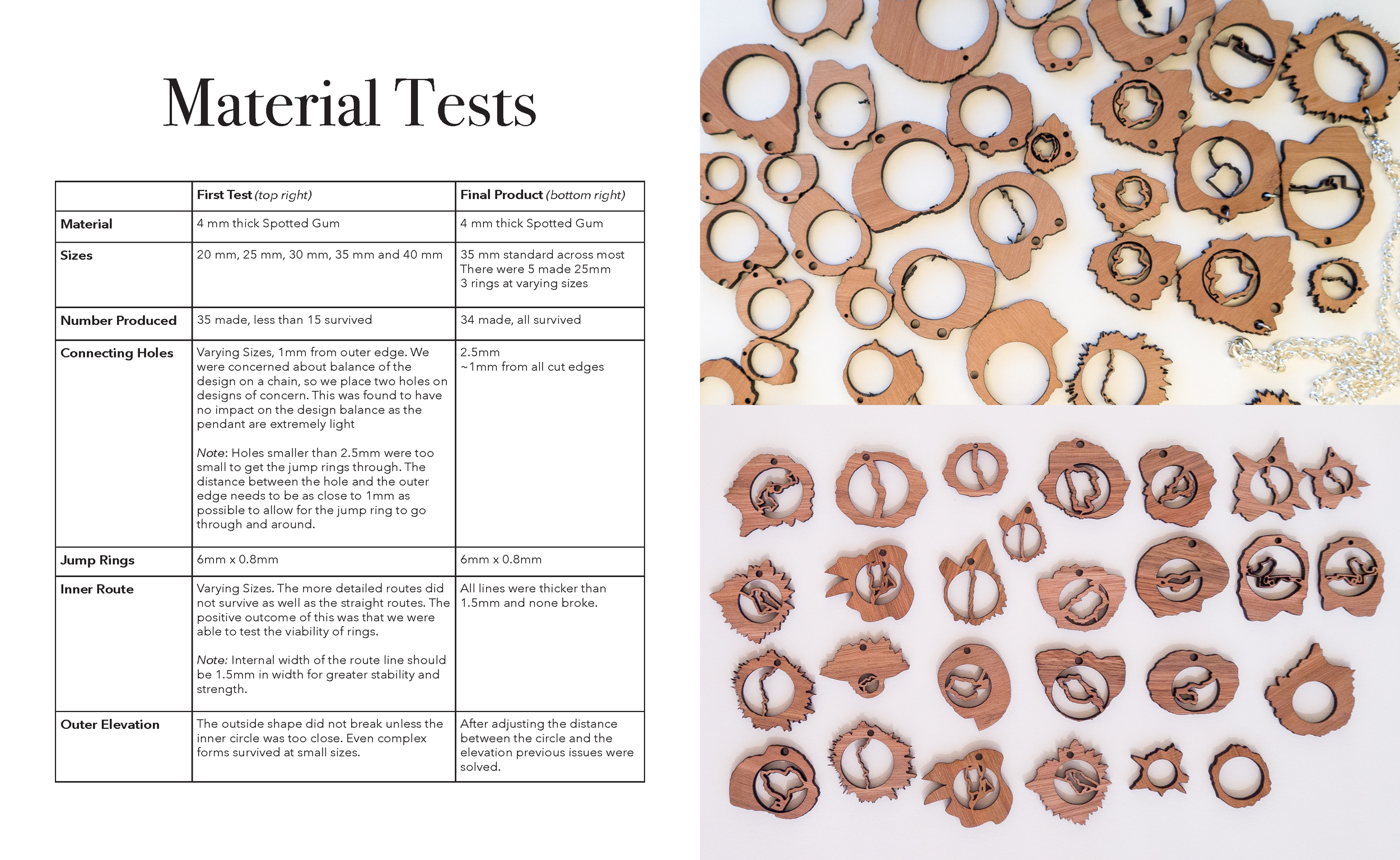
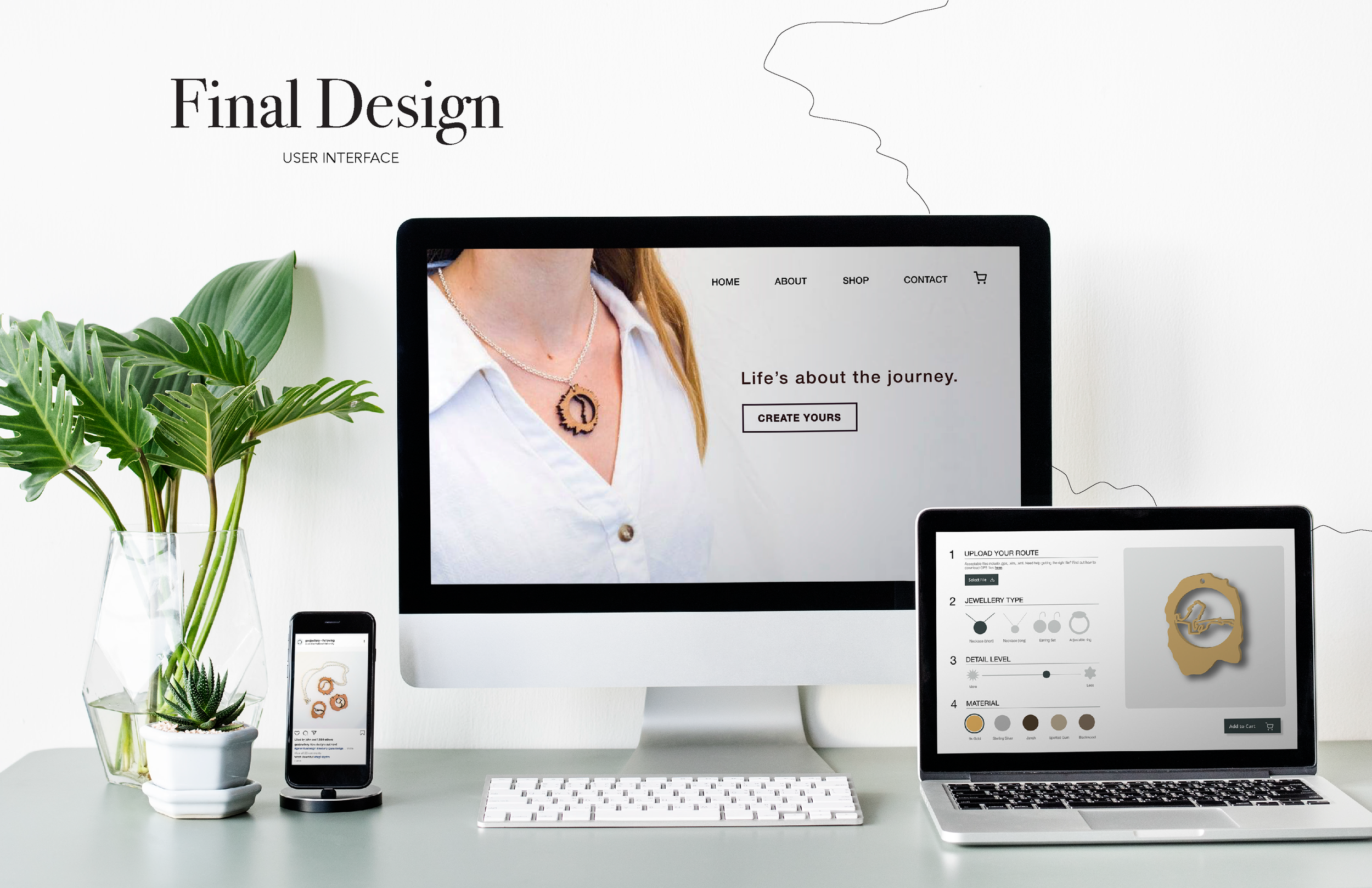
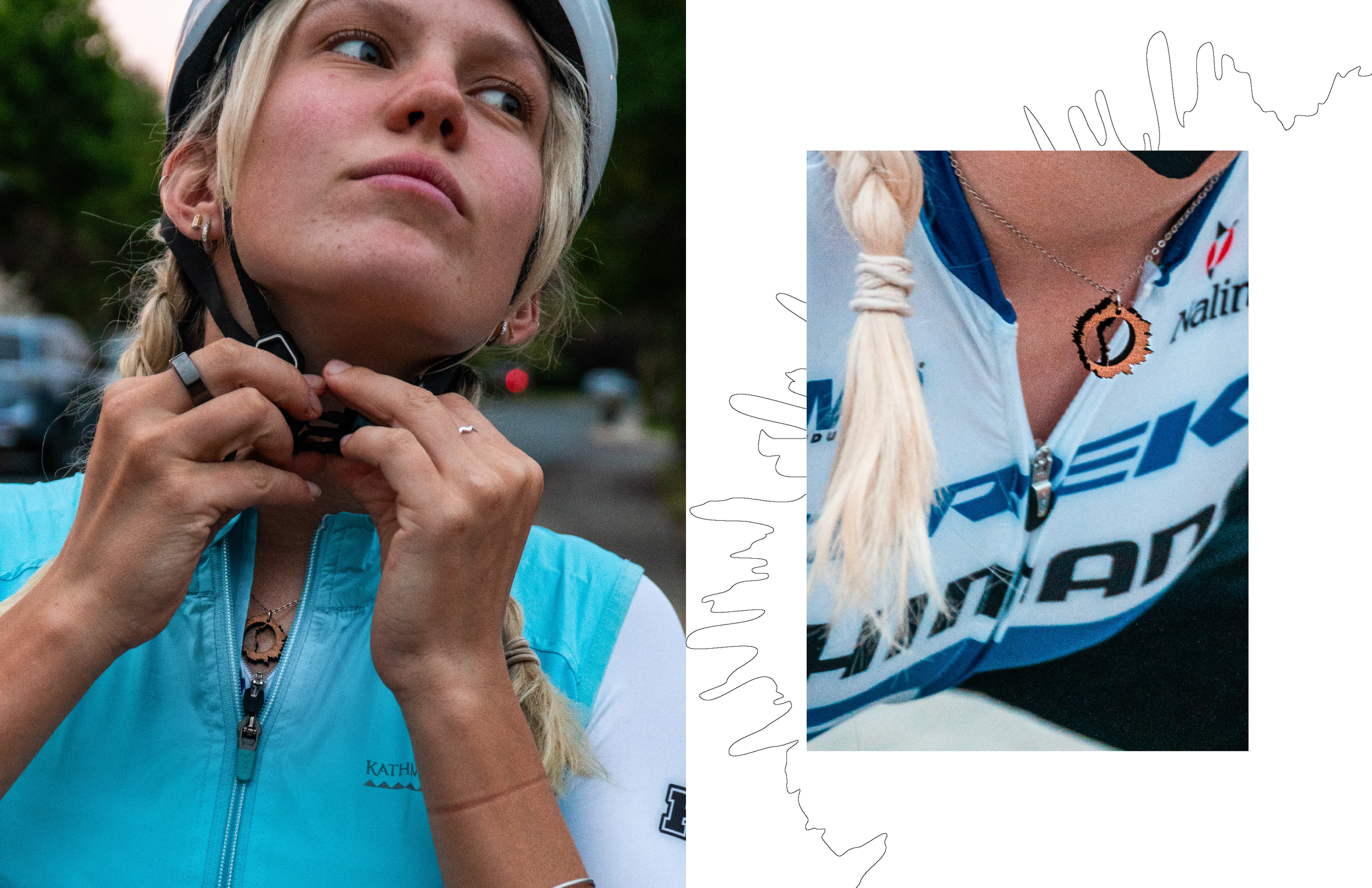
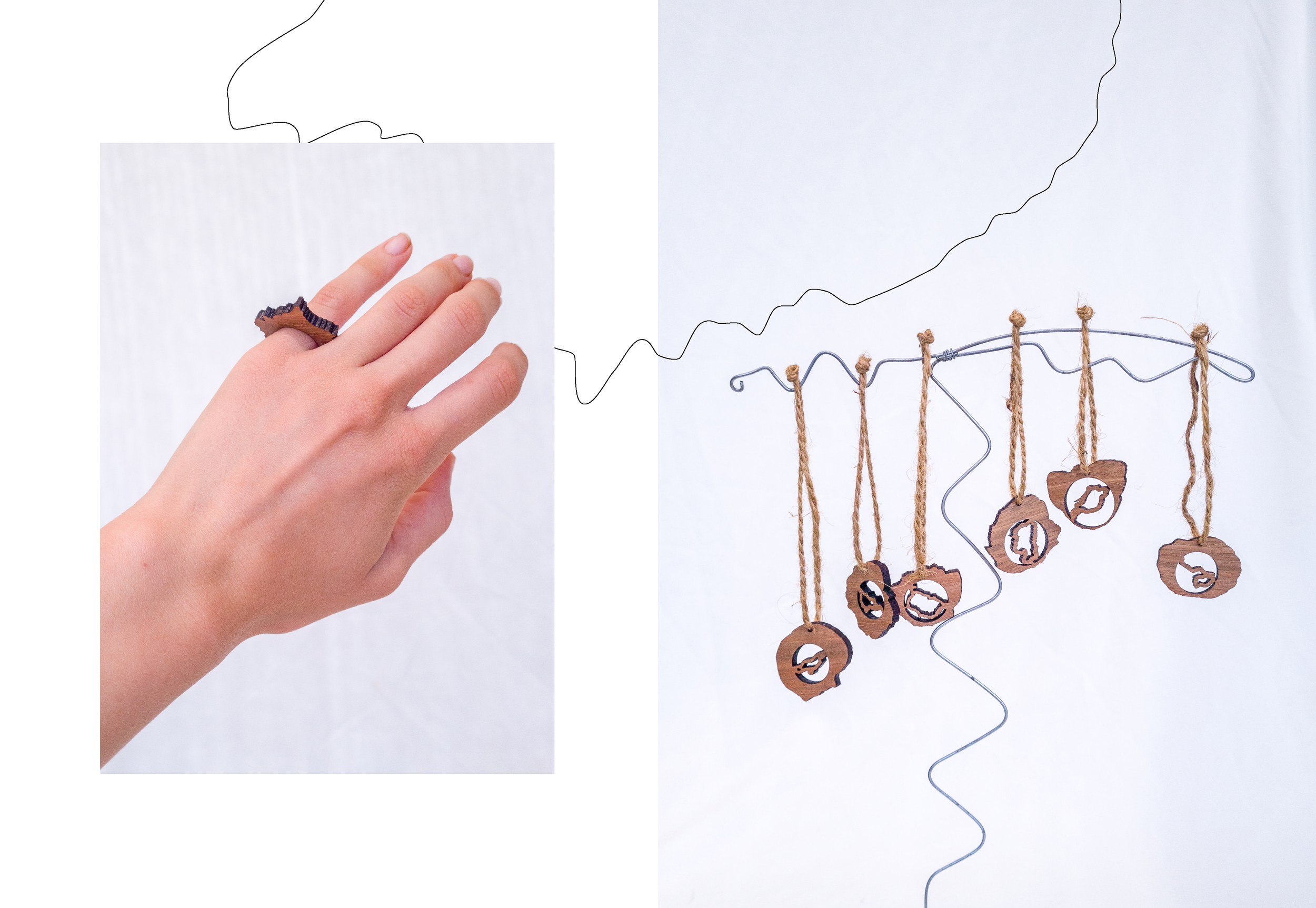
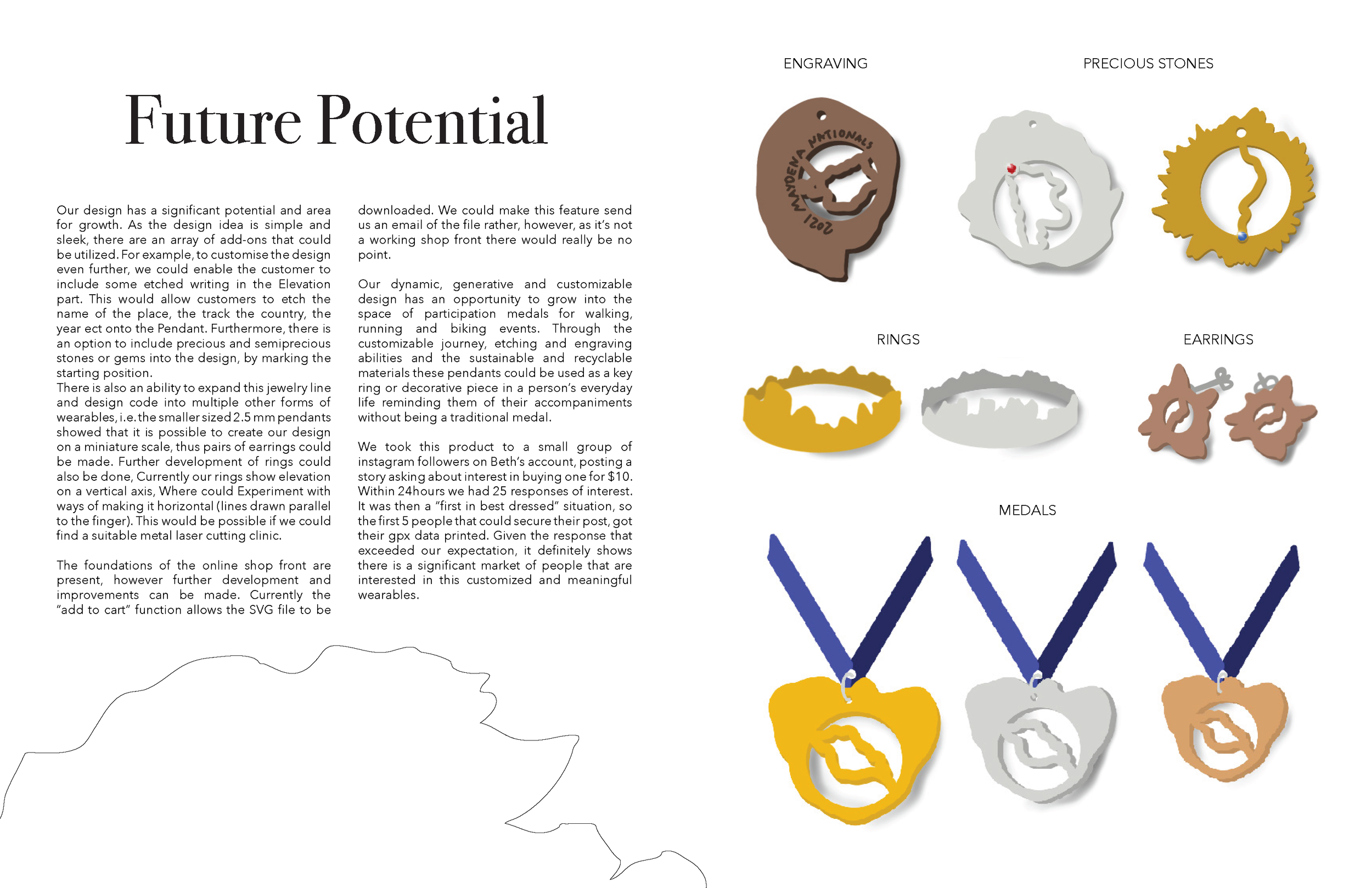
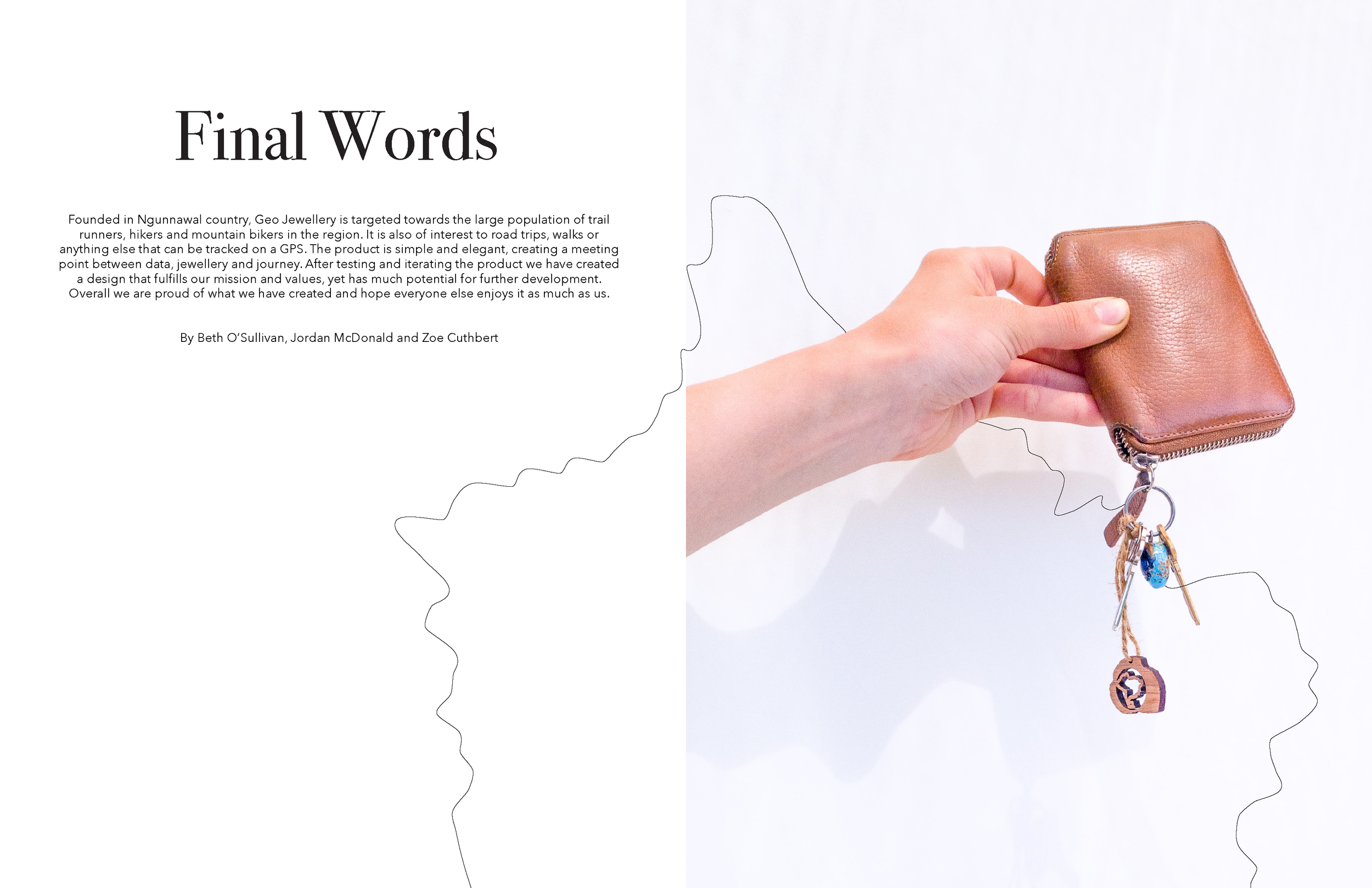
The concept for this generative and dynamic design and data visualization wearables came from a goal to create meaningful wearables that created a bridge between wearer, memory and landscape.
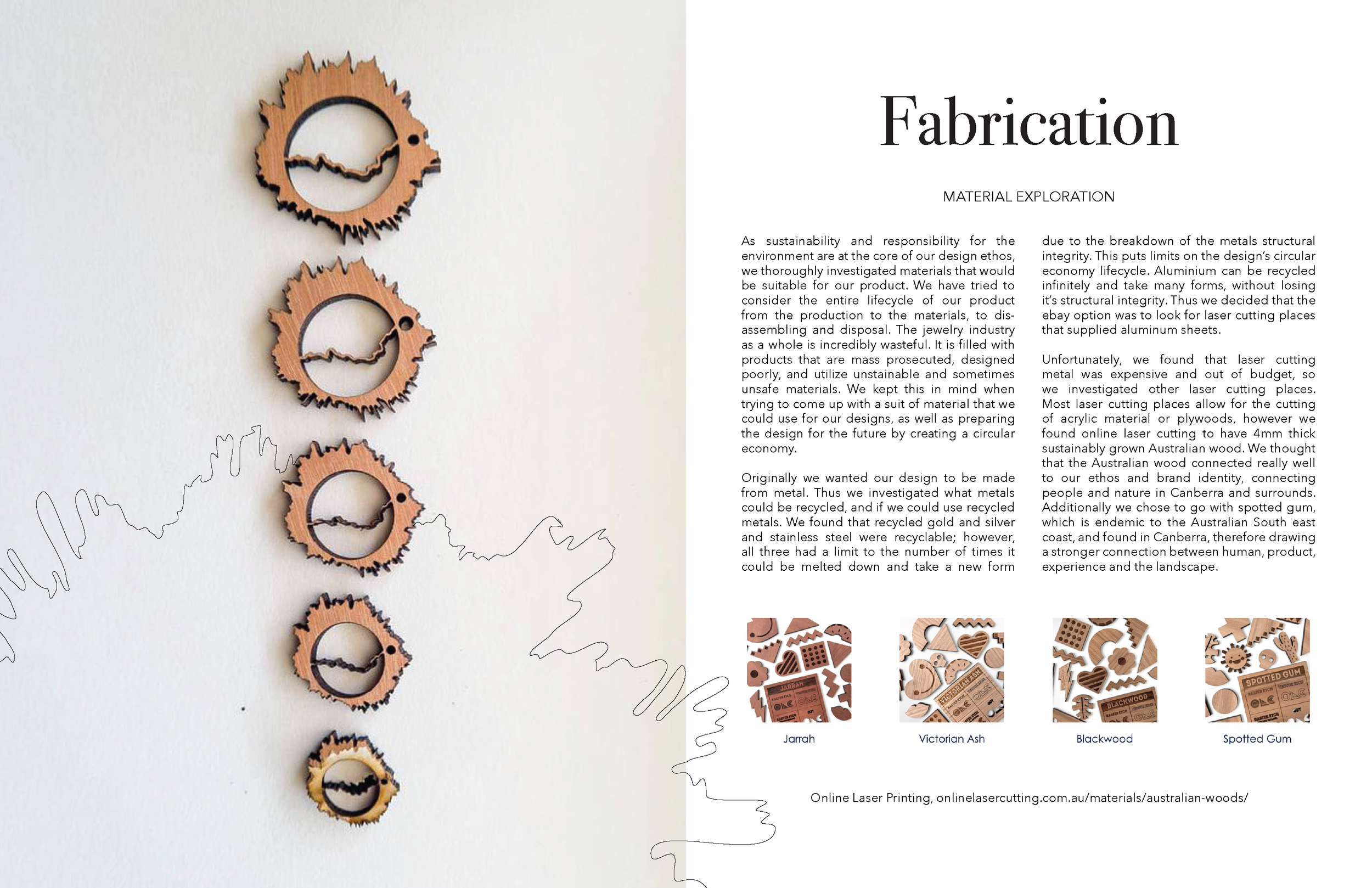
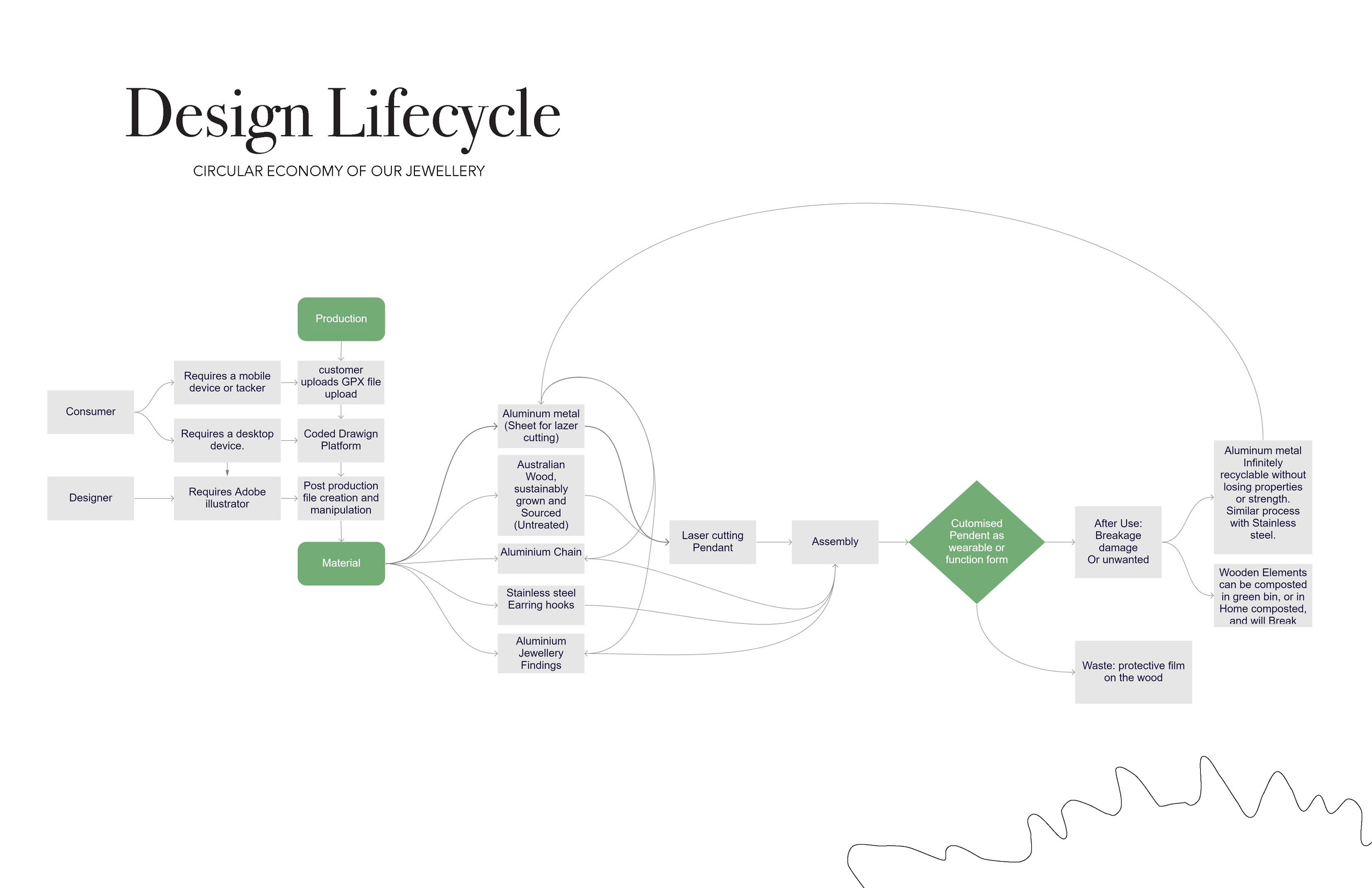
Turning your memories, experiences and achievements into tangible objects through customised jewellery using GPX data. We created pendants that are authentic, unique and meaningful and align with sustainable and responsible jewellery practices at all levels of the production chain.


Energy Lamps
Beth O’Sullivan || Holly Jones || Dylan McCracken
2020
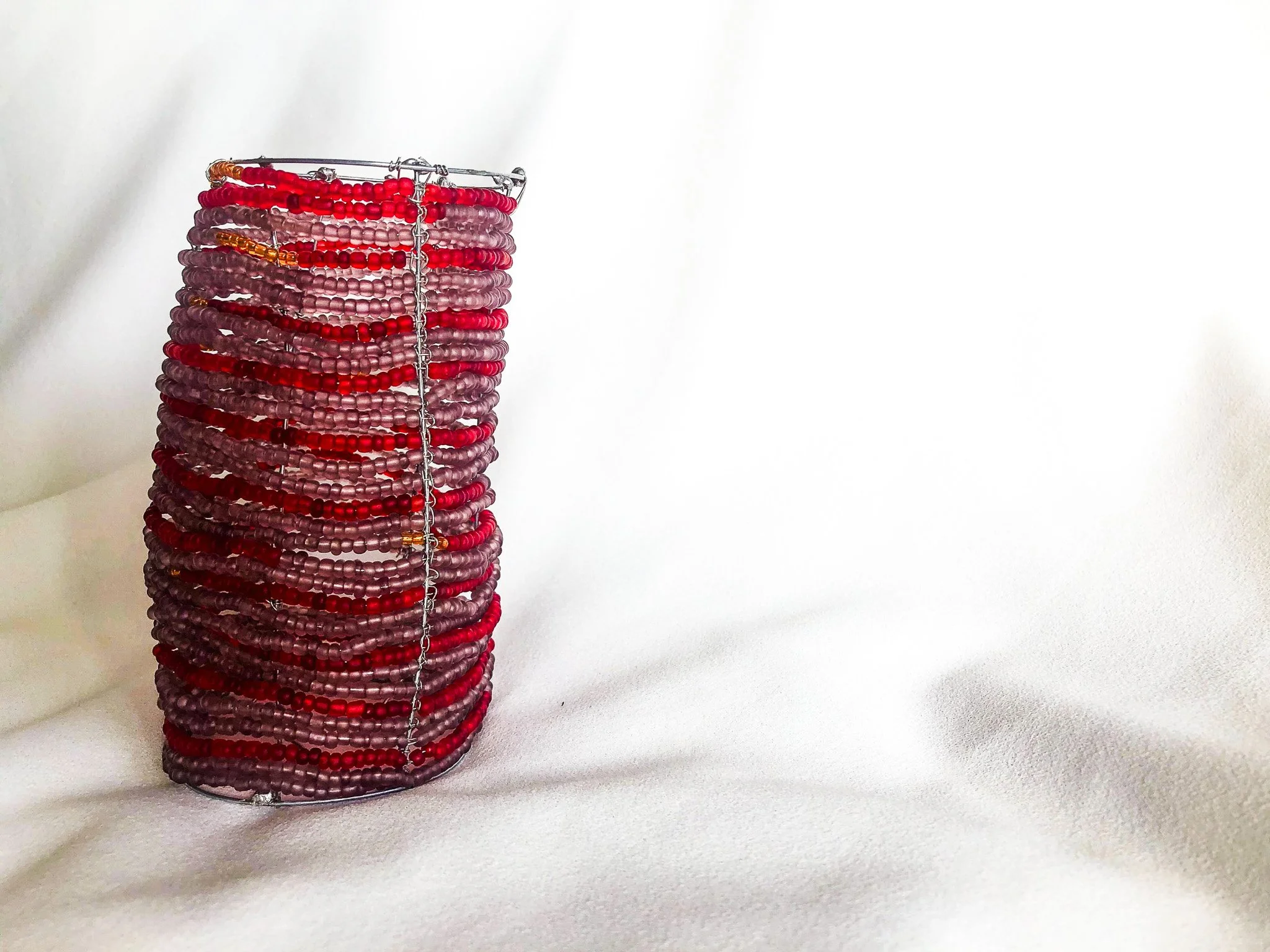
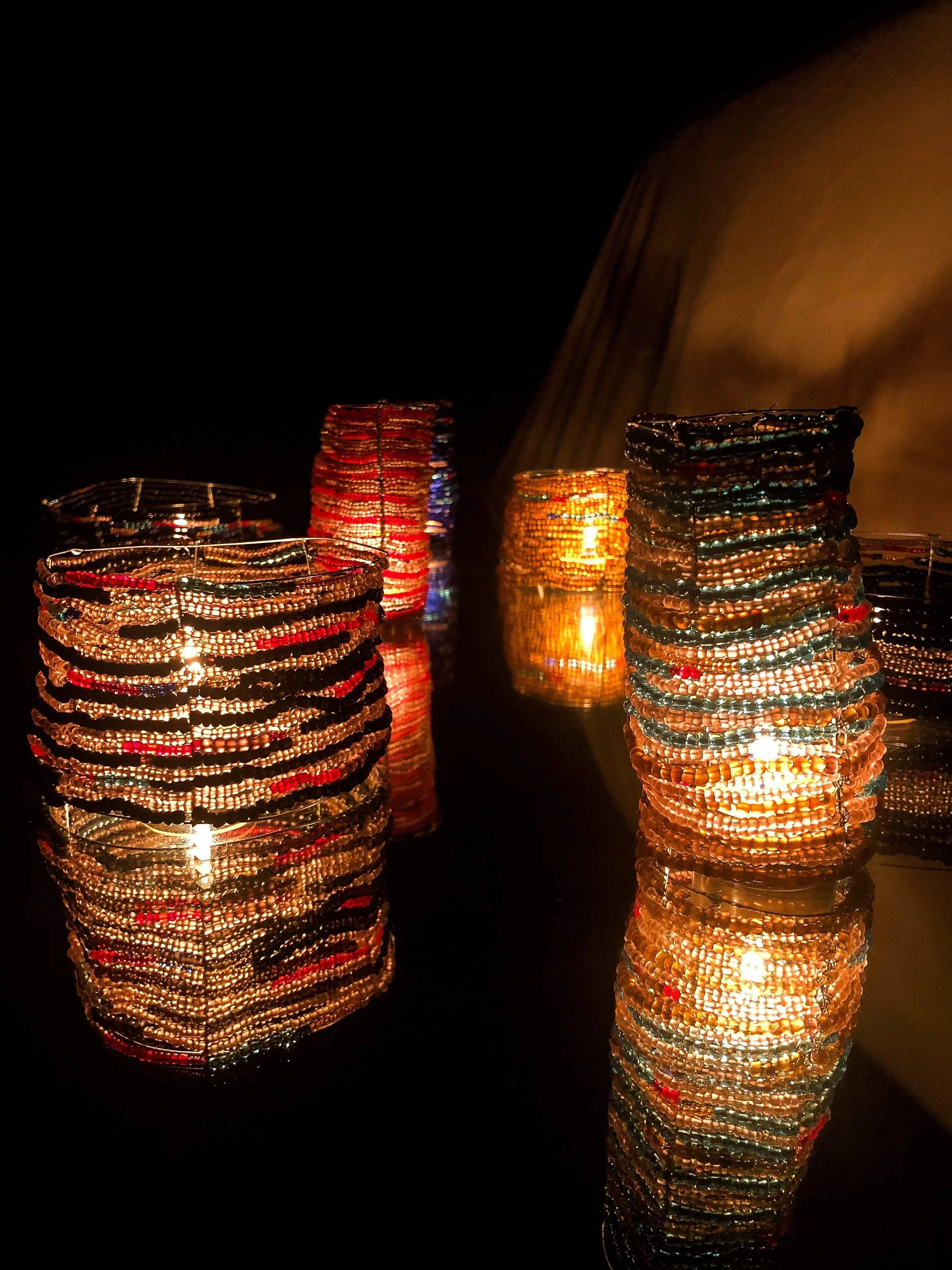
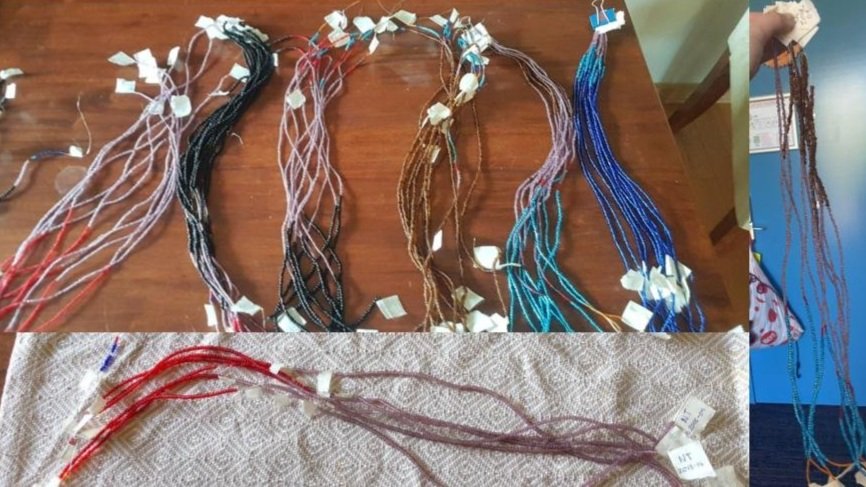
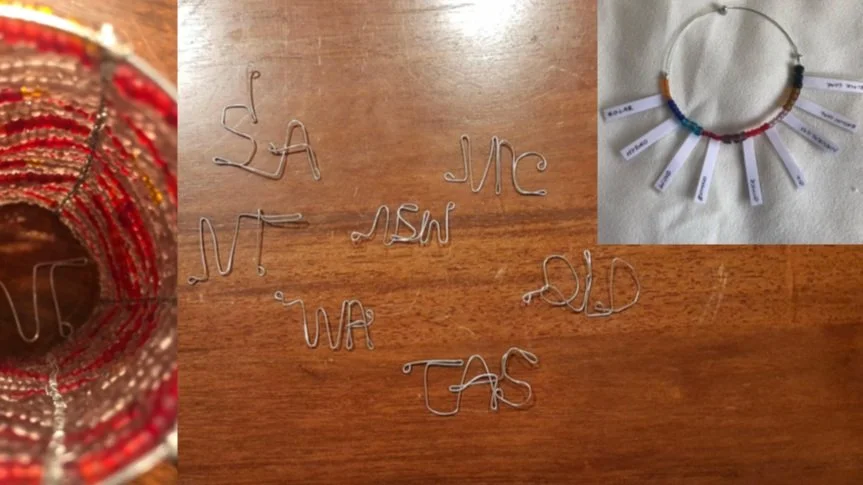
Energy Lamps is a data visualisation artwork that physically visualises Australia’s “clean energy” movement. Using a decade of energy production data, the beaded tealight shades reveal how each state government has addressed the climate crisis through energy. The colours of the beads reflect the origins of the energy, and the circumference of the lamp relates to the states population.